The Luminous Legacy: Preserving the Integrity and Beauty of Green Gemstone Jewelry
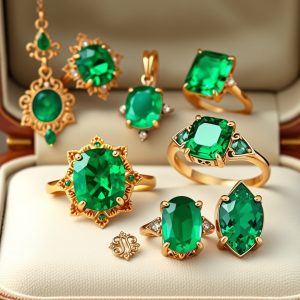
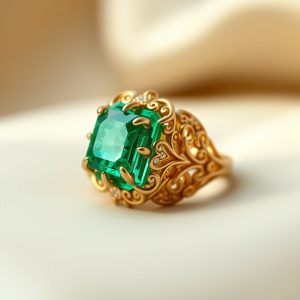
Green gemstones, with their mesmerizing hues and timeless allure, are more than just adornments—they are fragments of the earth’s artistry, passed down through generations or collected as modern treasures. Yet, their beauty is not invincible. The delicate balance of their luster, structure, and authenticity demands a nuanced approach to care, repair, and identification. Whether you’re a collector, a jewelry enthusiast, or someone who cherishes a single heirloom piece, understanding how to maintain these gems ensures their legacy endures.
The Delicate Dance of Identification
Before diving into repairs or cleaning, the first step is ensuring your gemstone is authentic. Synthetic gems, lab-created duplicates, and treated stones flood the market, often indistinguishable to the untrained eye. For green gemstones like emeralds, tsavorite, or green tourmaline, authenticity isn’t just about value—it’s about preserving the stone’s unique story and properties.
Visual and Tactical Clues
Authentic green gemstones often exhibit natural inclusions, known as “jardin” in emeralds, which are like fingerprints—unique to each stone. Synthetic gems, while flawless, lack these organic imperfections. A jeweler’s loupe or magnifying glass can reveal these subtle details. Additionally, real tsavorite garnet, for instance, will display a vibrant, almost electric green under natural light, while imitations may appear dull or overly saturated.
Professional Verification
For high-value pieces, professional gemological testing is indispensable. Techniques like spectroscopy, refractive index measurement, and ultraviolet fluorescence can confirm a gem’s authenticity. Reputable jewelers or gemologists use these methods to provide certification, offering peace of mind and a deeper connection to your jewelry’s origins.
Gentle Cleaning: Reviving Without Ruining
Green gemstones, particularly those with lower hardness ratings like peridot or emerald, require gentle cleaning methods. Harsh chemicals, ultrasonic cleaners, or abrasive tools can erode their surfaces, dull their brilliance, or even cause fractures. Instead, opt for a soft-bristled brush, mild soap, and lukewarm water to remove dirt and oils.
Emeralds: A Special Case
Emeralds are notoriously porous and often treated with oils or resins to enhance their clarity. Avoid soaking them in water, as this can leach out the fillers, leaving the stone vulnerable. Instead, wipe them gently with a damp cloth and dry immediately with a soft, lint-free towel. For stubborn grime, a solution of equal parts water and ammonia (used sparingly) can help, but always consult a professional first.
Green Tourmaline and Peridot
These stones are slightly more durable but still require care. Green tourmaline, with its pleochroic properties (showing different colors from different angles), benefits from a gentle polish with a microfiber cloth to restore its depth. Peridot, while resilient, can scratch easily, so store it separately from harder gemstones like diamonds or sapphires.
Repairs: Mending with Precision
Even the most carefully handled jewelry can succumb to wear and tear. Loose settings, broken clasps, or scratched surfaces don’t have to spell the end of your piece’s beauty. With the right techniques, repairs can be seamless and unobtrusive.
Fixing Loose Settings and Prongs
A loose stone is a risk—one bump or snag could mean losing it forever. If you notice a gem wobbling in its setting, take it to a jeweler immediately. They can tighten prongs or re-tip them to secure the stone without damaging it. For wire-wrapped pieces, a jeweler can reinforce the wrap with additional coils or solder, ensuring the stone remains snug.
Restoring Antique Jewelry
Antique pieces often come with their own set of challenges, from tarnished metal to weakened settings. Restoring them requires a delicate touch to preserve their historical integrity. A jeweler specializing in antiques can clean, polish, and repair without stripping away the patina that gives the piece its character. For example, a scratched ring band can be buffed and polished, but the goal should be to enhance, not erase, its age-old charm.
Repairing Broken Clasps and Earring Posts
A broken clasp or earring post can render a piece unusable, but these issues are often quick fixes. Jewelers can solder a new clasp onto a chain or replace a bent earring post with minimal disruption. For delicate chains, untangling them requires patience—use a straight pin or needle to gently tease apart the knots, working from the outside in to avoid further tangling.
Storage: The Unsung Hero of Longevity
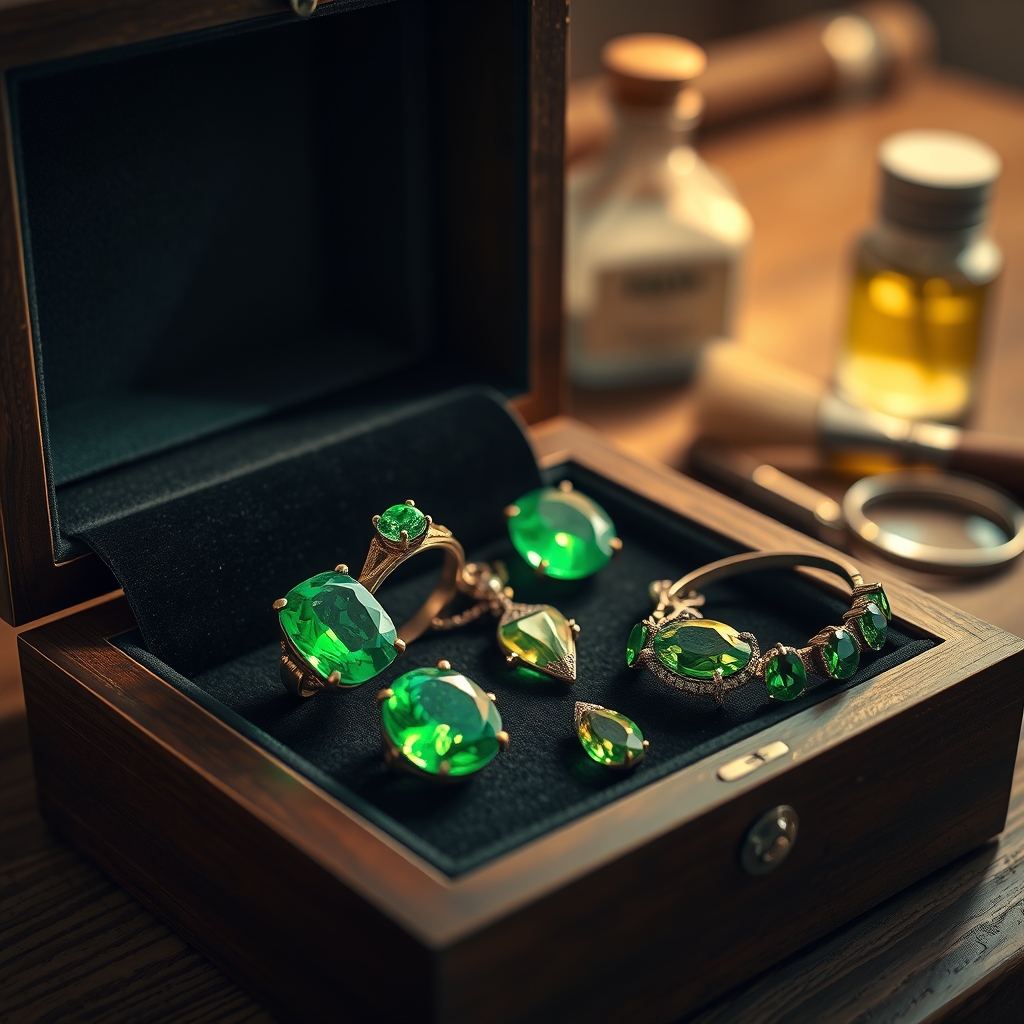
How you store your green gemstone jewelry can make all the difference in its longevity. Exposure to air, moisture, or other gemstones can lead to scratches, discoloration, or even structural damage. The key is to store each piece individually, in a soft, lined box or pouch.
Peridot and Emerald Storage
Peridot, with its relatively low hardness, should be stored separately from other gemstones to prevent scratches. Emeralds, on the other hand, benefit from being wrapped in a soft cloth to protect their surfaces from dust and oils. Avoid storing them in plastic bags, as the lack of airflow can trap moisture and lead to damage.
Preventing Discoloration
Some green gemstones, like certain types of tourmaline, can fade or discolor over time when exposed to prolonged sunlight. Store these pieces in a dark, cool place, away from windows or direct light. For added protection, consider using anti-tarnish strips in your jewelry box to absorb moisture and prevent oxidation.
When to Call a Professional
While DIY care can handle many aspects of jewelry maintenance, some tasks are best left to the experts. Removing a stuck ring, for instance, requires specialized tools and techniques to avoid injury or damage to the piece. Similarly, detecting synthetic gems or restoring antique jewelry often demands professional expertise to ensure the work is done safely and effectively.
Jewelers can also provide insights into the best practices for your specific pieces. For example, they might recommend a particular type of polish for an emerald ring or suggest a custom setting to better protect a delicate peridot. Building a relationship with a trusted jeweler ensures your green gemstone jewelry receives the care it deserves, preserving its beauty for years to come.
Green gemstone jewelry is more than an accessory—it’s a testament to nature’s artistry and human craftsmanship. By understanding how to identify, clean, repair, and store these pieces, you become a steward of their legacy. Each gem carries a story, a history, and a unique energy, and with the right care, that story will continue to shine brightly, passed down through time as a luminous reminder of the earth’s wonders and the hands that shaped them.