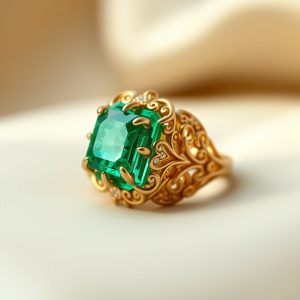
Guardians of Green: Safeguarding Your Gemstone Jewelry with Precision and Care
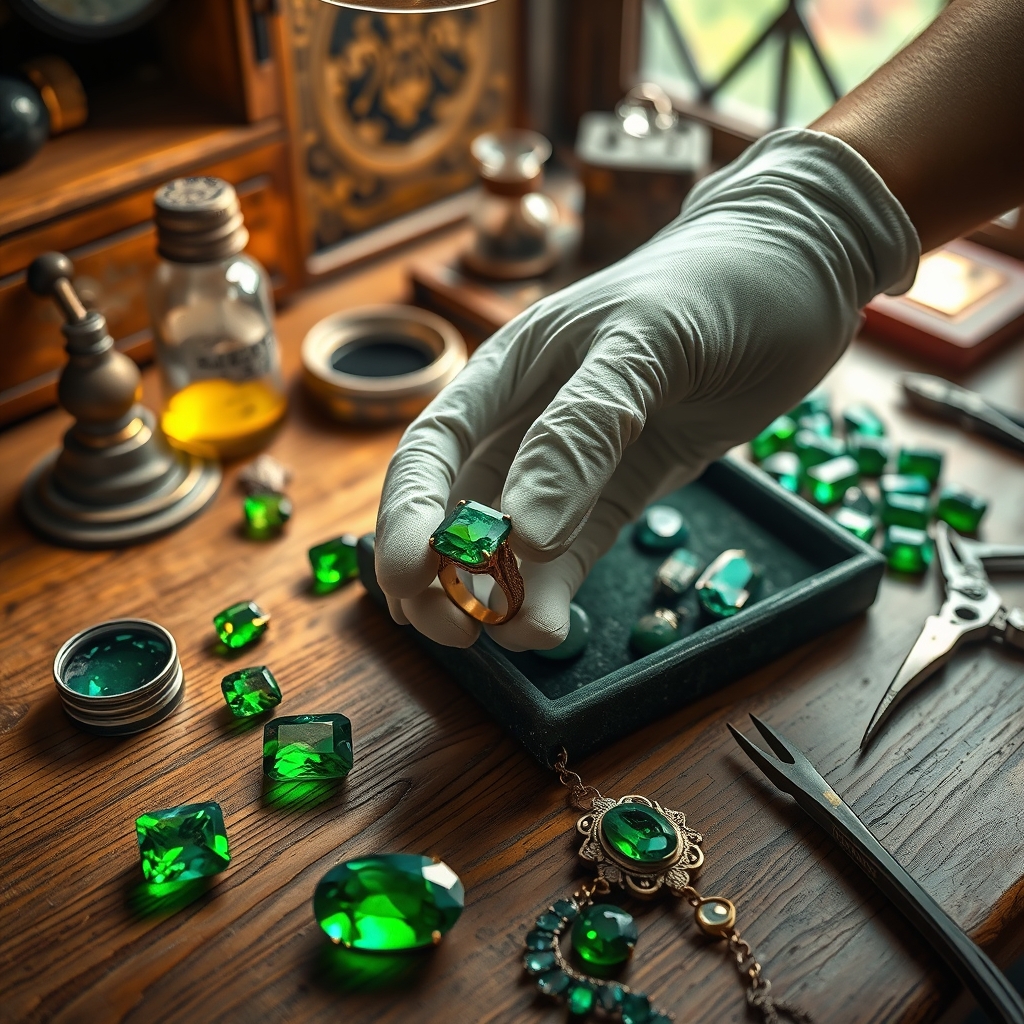
Green gemstones, with their mesmerizing hues and timeless allure, are more than just accessories—they are investments in beauty, history, and craftsmanship. Whether it’s the deep forest green of an emerald, the vibrant lime of a peridot, or the rich teal of a tsavorite, these stones demand a level of care that goes beyond the ordinary. To preserve their brilliance and structural integrity, one must master the delicate balance between identification, maintenance, and repair. Here’s how to become the guardian your green gemstone jewelry deserves.
The Foundation: Authentic Gem Identification
Before diving into care and repair, the first step is ensuring the authenticity of your gemstones. Synthetic and imitation gems flood the market, often mimicking the appearance of natural stones with alarming accuracy. To distinguish the real from the counterfeit, start with a loupe—a jeweler’s magnifying tool—to inspect inclusions, color zoning, and surface imperfections. Natural emeralds, for instance, often contain jardin, or garden-like inclusions, while synthetic versions may appear too flawless or exhibit telltale signs of lab growth, such as curved striations.
For a more scientific approach, consider a refractometer, which measures the refractive index of a gemstone—a unique fingerprint that can confirm its identity. Alternatively, ultraviolet (UV) light testing can reveal fluorescence patterns; natural tsavorites, for example, typically fluoresce a weak orange under long-wave UV light, while synthetic counterparts may react differently. When in doubt, consult a certified gemologist who can provide a professional assessment using advanced tools like spectroscopy or X-ray fluorescence.
Cleaning Green Gemstones: A Gentle Touch
Green gemstones vary in hardness and sensitivity, making their cleaning requirements as unique as their colors. Harsh chemicals, ultrasonic cleaners, and abrasive materials can damage softer stones or erode treatments like oils or resins used to enhance clarity. For most green gemstones, including emeralds, peridots, and tourmalines, a soft-bristled toothbrush and a mild solution of warm water and dish soap are ideal. Gently scrub the stone and setting, paying special attention to crevices where dirt accumulates, then rinse thoroughly and pat dry with a lint-free cloth.
Emeralds, in particular, require extra caution. Their natural fractures make them vulnerable to thermal shock, so avoid exposing them to extreme temperature changes. Instead of soaking, use a damp cloth to wipe the surface, and never use steam cleaners. For cloudy crystals or heavily soiled pieces, a professional jeweler can perform a deep clean using specialized equipment and solutions tailored to the stone’s needs.
Special Considerations for Delicate Stones
Some green gemstones, like peridot, are sensitive to acids, including lemon juice and vinegar, which can etch their surfaces. Others, such as opals or turquoise, are porous and can absorb liquids, leading to discoloration or structural weakening. For these stones, stick to dry cleaning methods, such as using a soft brush or a microfiber cloth. If moisture is necessary, ensure the stone is completely dry afterward to prevent damage.
Repairing and Restoring: When to DIY and When to Call a Pro
Jewelry repair is a nuanced art, and while some tasks can be tackled at home, others require the steady hand of a professional. Loose settings, for example, are a common issue, especially in rings where prongs can wear down over time. If you notice a stone wobbling, avoid wearing the piece until it’s repaired to prevent loss or further damage. For minor adjustments, a pair of needle-nose pliers can gently tighten prongs, but be cautious—over-tightening can crack the stone or distort the setting.
Broken clasps and earring posts are another frequent problem. While it’s tempting to reach for super glue, this can leave residue and weaken the metal over time. Instead, use a jeweler’s epoxy designed for metal repairs, or take the piece to a professional for soldering, which provides a stronger, more durable fix. For antique jewelry, restoration is best left to experts who can match the original craftsmanship and materials, ensuring the piece retains its value and historical integrity.
Fixing Scratches and Polishing Metal
Over time, even the most durable metals can develop scratches or lose their luster. For gold, platinum, or silver settings, a polishing cloth can restore shine without removing significant metal. For deeper scratches, a jeweler can use a polishing wheel or buffing compound to smooth the surface. However, be mindful of the gemstone’s hardness—softer stones like peridot (6.5–7 on the Mohs scale) can be scratched by harder metals or abrasives, so always polish the metal separately or protect the stone with a soft cloth.
Preventive Care: Storing and Wearing Green Gemstone Jewelry
Proper storage is the unsung hero of jewelry maintenance. Green gemstones should be stored individually in soft pouches or lined jewelry boxes to prevent scratches from harder stones or metals. For pieces with delicate chains, such as necklaces or bracelets, lay them flat or hang them to avoid tangling. Peridot, which is sensitive to sunlight, should be stored in a dark place to prevent fading, while emeralds benefit from a slightly humid environment to maintain their clarity.
When wearing green gemstone jewelry, be mindful of activities that could expose them to damage. Remove rings before washing hands, gardening, or engaging in sports, as soap, dirt, and impact can dull the stone or loosen settings. For pieces like earrings or pendants, avoid sleeping in them to prevent tangling or accidental snags. If a ring becomes stuck on your finger, resist the urge to force it off. Instead, apply a lubricant like soap or oil and gently twist the ring while pulling it over the knuckle.
Detecting and Addressing Discoloration
Discoloration can occur due to chemical exposure, improper cleaning, or even the natural aging of treatments. For example, emeralds treated with oils or resins may darken or develop a cloudy appearance over time. If this happens, a jeweler can re-oil the stone to restore its vibrancy. For metals like silver, tarnish is inevitable but can be managed with regular polishing and anti-tarnish strips in storage. Avoid using commercial silver dips, as they can damage gemstones or strip away protective coatings.
Caring for green gemstone jewelry is not just about preserving its physical beauty—it’s about honoring the craftsmanship, history, and emotional value it holds. Each stone tells a story, and with the right knowledge and attention, you can ensure that story continues to shine for generations. Whether it’s the deep green of a family heirloom emerald or the bright sparkle of a new peridot pendant, these treasures deserve nothing less than your utmost care and respect.