
The Subtle Science of Green Gemstone Jewelry: Authentic Care, Repairs, and Lifelong Radiance
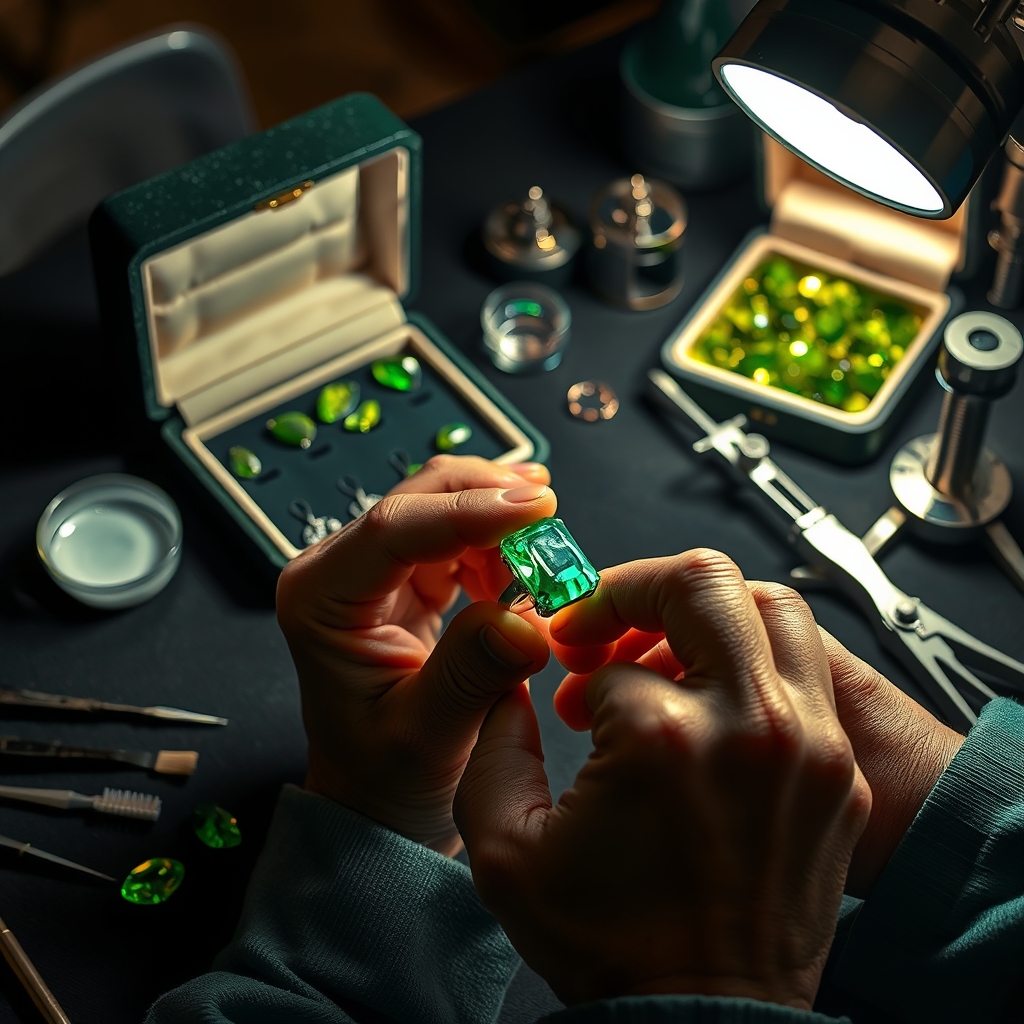
Green gemstones—emeralds, peridots, tsavorites, and tourmalines—carry an enchanting allure, their rich hues evoking the lushness of nature itself. Yet, their beauty is often matched by their fragility, demanding a delicate balance of knowledge and skill to maintain their brilliance. Whether you’re a collector, a jewelry enthusiast, or someone who cherishes a single heirloom piece, understanding how to care for, repair, and authenticate these treasures ensures they remain as captivating as the day they were acquired.
The Foundation: Authentic Gem Identification
Before diving into care or repairs, the first step is confirming the authenticity of your green gemstone. Synthetic gems, lab-created duplicates, and treated stones flood the market, often indistinguishable to the untrained eye. A jeweler’s loupe or a professional gemologist can reveal telltale signs—natural inclusions in emeralds, the characteristic double refraction of peridot, or the unique color zoning in green tourmaline. For tsavorite garnet, its vibrant green hue and lack of pleochroism (color change when viewed from different angles) are key indicators of authenticity. When in doubt, certification from a reputable gemological institute provides irrefutable proof of a stone’s origin and quality.
Tools of the Trade
Investing in a few essential tools can empower you to perform basic authenticity checks at home. A handheld spectroscope can reveal absorption spectra unique to certain gems, while a refractometer measures the refractive index, a critical factor in identification. For those less inclined toward technical tools, observing the gem under different lighting conditions—natural daylight, incandescent, and ultraviolet—can offer clues. For instance, emeralds often fluoresce a dull red under UV light, while synthetic counterparts may exhibit a stronger, more uniform glow.
Gentle Yet Effective Cleaning Techniques
Cleaning green gemstones requires a gentle touch, as harsh chemicals and abrasive materials can dull their surface or even cause irreversible damage. For most green gems, a soft-bristled toothbrush, mild dish soap, and lukewarm water are sufficient. Soak the jewelry for a few minutes to loosen dirt, then gently scrub around the setting and the stone itself. Rinse thoroughly and pat dry with a lint-free cloth. Avoid ultrasonic cleaners for emeralds and peridots, as their internal fractures and inclusions make them susceptible to cracking under the vibrations.
Special Considerations for Delicate Stones
Emeralds, in particular, often undergo oil or resin treatments to enhance their clarity. These treatments can be compromised by exposure to heat, steam, or harsh detergents. To preserve the filling, clean emeralds with a damp cloth rather than submerging them in water. For peridot, which is sensitive to acids, avoid vinegar or lemon-based cleaners. Green tourmaline, while more durable, can still accumulate grime in its intricate cuts, so a soft brush is essential for reaching those hard-to-clean areas.
Repairs: Restoring Integrity Without Compromising Beauty
Over time, even the most carefully worn jewelry can succumb to wear and tear. Loose settings, broken clasps, and scratched surfaces are common issues, but they don’t have to spell the end of your piece’s lifespan. Addressing these problems promptly can prevent further damage and restore the jewelry’s original elegance.
Fixing Loose Settings and Securing Stones
A loose stone is a recipe for disaster, risking loss or damage. If you notice a gem wobbling in its setting, take the piece to a professional jeweler immediately. They can tighten the prongs or bezel, ensuring the stone is secure without altering its appearance. For wire-wrapped pieces, gently tightening the wire with pliers can often resolve minor looseness, but be cautious not to over-tighten, as this can weaken the wire over time.
Repairing Broken Clasps and Earring Posts
A broken clasp can render a necklace or bracelet unusable, but repairs are often straightforward. Jewelers can replace a faulty clasp with one that matches the original design, preserving the piece’s aesthetic. For earrings, a bent or broken post can usually be soldered back into place or replaced entirely. If the earring back is lost, invest in a high-quality replacement to prevent future mishaps.
Polishing and Restoring Shine
Scratches and dullness can detract from a gemstone’s brilliance, but polishing can restore its luster. For metal settings, a jeweler’s polishing cloth can remove minor scratches, while deeper marks may require professional buffing. Green gemstones themselves should never be polished with abrasive compounds, as this can scratch their surface. Instead, a professional jeweler can use specialized techniques to gently restore their shine without causing damage.
Preventive Care: Safeguarding Your Jewelry for the Future
The adage “an ounce of prevention is worth a pound of cure” holds especially true for green gemstone jewelry. Proper storage, mindful wearing, and routine inspections can significantly extend the life of your pieces. Store each item separately in a soft pouch or lined jewelry box to prevent scratches and tangling. Avoid exposing gemstones to extreme temperatures, chemicals, or prolonged sunlight, as these can cause discoloration or structural damage.
Storing Peridot and Other Sensitive Gems
Peridot, in particular, is sensitive to sudden temperature changes, which can cause it to fracture. Store peridot jewelry in a stable environment, away from heat sources like radiators or windowsills. For emeralds, consider wrapping them in a soft cloth to protect their delicate surfaces from abrasion. Green tourmaline, while more durable, benefits from being stored away from harder gemstones like diamonds, which can scratch its surface.
Routine Inspections and Professional Check-Ups
Regularly inspect your jewelry for signs of wear, such as loose stones, thinning prongs, or weakened clasps. A professional jeweler can perform a thorough check-up, identifying potential issues before they escalate. For antique or heirloom pieces, a jeweler can also assess the integrity of the metal and recommend any necessary restorations to preserve their historical and sentimental value.
Owning green gemstone jewelry is a privilege that comes with responsibility. These stones, with their mesmerizing hues and storied histories, deserve nothing less than thoughtful care and expert attention. By mastering the art of identification, adopting gentle cleaning practices, addressing repairs with precision, and embracing preventive measures, you ensure that your jewelry remains a source of joy and admiration for generations to come. The true beauty of these gems lies not just in their appearance, but in the stories they carry and the hands they pass through—each scratch, each polish, each careful repair adding another chapter to their legacy.