
The Delicate Art of Caring for Green Gemstone Jewelry: From Flawless Identification to Effortless Repairs
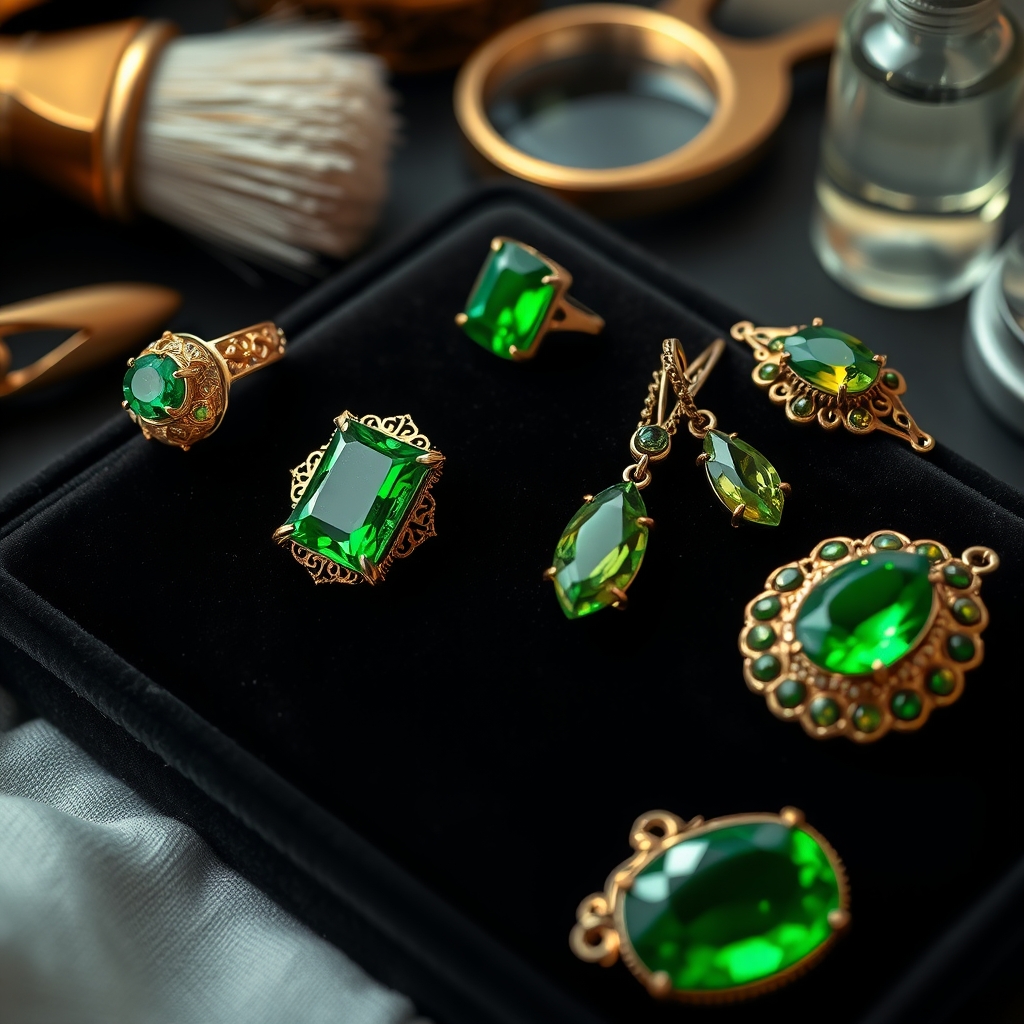
Green gemstone jewelry carries an enchanting allure, blending the vibrancy of nature with the elegance of fine craftsmanship. Whether it’s the deep, velvety green of an emerald, the lively sparkle of a peridot, or the mesmerizing hues of a green tourmaline, these gems demand more than admiration—they require thoughtful care to preserve their beauty. Understanding how to identify, clean, repair, and store these treasures ensures they remain as dazzling as the day they were acquired.
The Foundation: Authentic Gem Identification
Before diving into care and repairs, it’s essential to confirm the authenticity of your green gemstones. Synthetic gems and imitations flood the market, often mimicking the appearance of natural stones with remarkable accuracy. To distinguish the real from the counterfeit, start with a few simple tests. A loupe or magnifying glass can reveal inclusions—tiny imperfections that are telltale signs of natural gemstones. For instance, emeralds often contain jardin, a French term for the garden-like inclusions that are unique to each stone. Additionally, a refractometer can measure the refractive index of a gem, providing a scientific method to verify its identity. For those less inclined toward DIY methods, consulting a certified gemologist offers peace of mind and expert confirmation.
Detecting Synthetic Gems: What to Look For
Synthetic gems, such as lab-created emeralds or cubic zirconia, are engineered to replicate the properties of natural stones. While they may look identical to the untrained eye, subtle differences set them apart. Synthetic gems often exhibit flawless clarity, a rarity in natural stones, and may display growth patterns or color zoning that differs from their organic counterparts. For example, synthetic green sapphires might show curved striae, a feature absent in natural stones. Understanding these nuances empowers you to make informed decisions, whether you’re purchasing a new piece or assessing the value of an heirloom.
Cleaning Green Gemstones: Gentle Yet Effective Techniques
Cleaning green gemstone jewelry requires a delicate balance—removing dirt and oils without compromising the stone’s integrity. Harsh chemicals and abrasive materials can dull the gem’s surface or even cause irreversible damage. For most green gemstones, a soft-bristled toothbrush and a mild solution of warm water and dish soap work wonders. Gently scrub the stone and setting, paying special attention to areas where grime accumulates, such as beneath prongs or along the band. Rinse thoroughly and pat dry with a lint-free cloth to restore the gem’s natural brilliance.
Special Considerations for Delicate Stones
Some green gemstones, like emeralds and peridots, are more fragile and require extra caution. Emeralds, in particular, are often treated with oils or resins to enhance their clarity, and exposure to harsh cleaning agents can strip these treatments away. For these stones, avoid ultrasonic cleaners and steam cleaning, as the vibrations and heat can cause fractures or dislodge the stone from its setting. Instead, opt for a damp cloth and a gentle touch. Peridots, while durable, are sensitive to acids and sudden temperature changes, so it’s best to keep them away from household cleaners and hot water.
Repairing Common Jewelry Issues: A Hands-On Approach
Even with the best care, jewelry can succumb to wear and tear. Loose settings, broken clasps, and scratched surfaces are common issues that, when addressed promptly, can prevent further damage. For loose stones, a jeweler’s epoxy or a professional tightening of the prongs can secure the gem back in place. If you’re comfortable with DIY repairs, a pair of fine-tipped pliers can help gently bend prongs back into position, but exercise caution to avoid applying too much pressure, which could crack the stone.
Fixing Broken Clasps and Untangling Chains
Broken clasps and tangled chains are among the most frustrating jewelry mishaps, but they’re often simple to fix. For a broken clasp, a small amount of jewelry glue or a soldering repair by a professional can restore functionality. If a chain becomes tangled, resist the urge to pull forcefully, as this can weaken or break the links. Instead, apply a drop of baby oil or lubricant to the knot and use two straight pins to gently work the chain free. Patience is key—rushing the process can lead to irreversible damage.
Restoring Antique Jewelry: Preserving History
Antique green gemstone jewelry carries a story, and restoring it requires a blend of skill and reverence. Over time, antique pieces may develop tarnish, loose stones, or weakened settings. When restoring such treasures, it’s crucial to preserve their original character. A jeweler experienced in antique restoration can clean, polish, and repair the piece while maintaining its historical integrity. For minor tarnish, a polishing cloth designed for delicate metals can remove oxidation without scratching the surface. If the piece features intricate engravings or filigree, a soft brush can help dislodge dirt from hard-to-reach areas.
Storing Green Gemstones: Protecting Their Luster
Proper storage is the unsung hero of jewelry care, shielding your green gemstones from scratches, moisture, and environmental damage. Store each piece separately in a soft pouch or a lined jewelry box to prevent them from rubbing against one another. For particularly delicate stones, like emeralds or peridots, consider wrapping them in a soft cloth before placing them in storage. Avoid exposing gemstone jewelry to direct sunlight for extended periods, as UV rays can cause some stones to fade or discolor. Additionally, keep your jewelry away from humid environments, such as bathrooms, to prevent tarnishing of metal settings and potential damage to the stones.
Preventing Discoloration and Maintaining Shine
Green gemstones, like all colored gems, can lose their vibrancy over time if not properly maintained. To prevent discoloration, remove your jewelry before swimming, showering, or applying lotions and perfumes. Chemicals in these substances can react with the metal or the stone, leading to dullness or even corrosion. For an extra layer of protection, consider applying a thin coat of clear nail polish to the back of the stone, which can act as a barrier against harmful elements. However, this is a temporary solution and should not replace regular cleaning and proper storage.
Caring for green gemstone jewelry is a labor of love, a commitment to preserving the beauty and craftsmanship of each piece. Whether you’re identifying an heirloom, reviving a tarnished antique, or simply ensuring your favorite ring sparkles for years to come, the effort you invest today will be reflected in the timeless elegance of your treasures. With the right knowledge and a gentle touch, your green gemstone jewelry will continue to captivate, generation after generation.