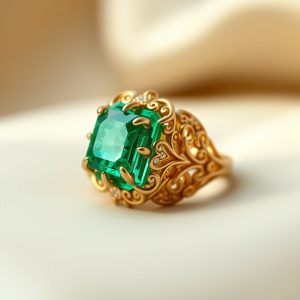
Whispers of the Earth: Unveiling the Secrets of Green Gemstone Jewelry Care and Restoration
Green gemstones, with their mesmerizing hues and timeless allure, are more than just adornments—they are fragments of the earth’s soul, captured in mineral form. Whether it’s the deep, velvety green of an emerald, the vibrant sparkle of a tsavorite, or the subtle elegance of peridot, these stones demand a level of care that goes beyond the ordinary. Their beauty is fragile, their value profound, and their preservation an art form in itself. To truly honor these treasures, one must understand the delicate balance between identification, maintenance, and repair.
The Art of Authentic Gem Identification
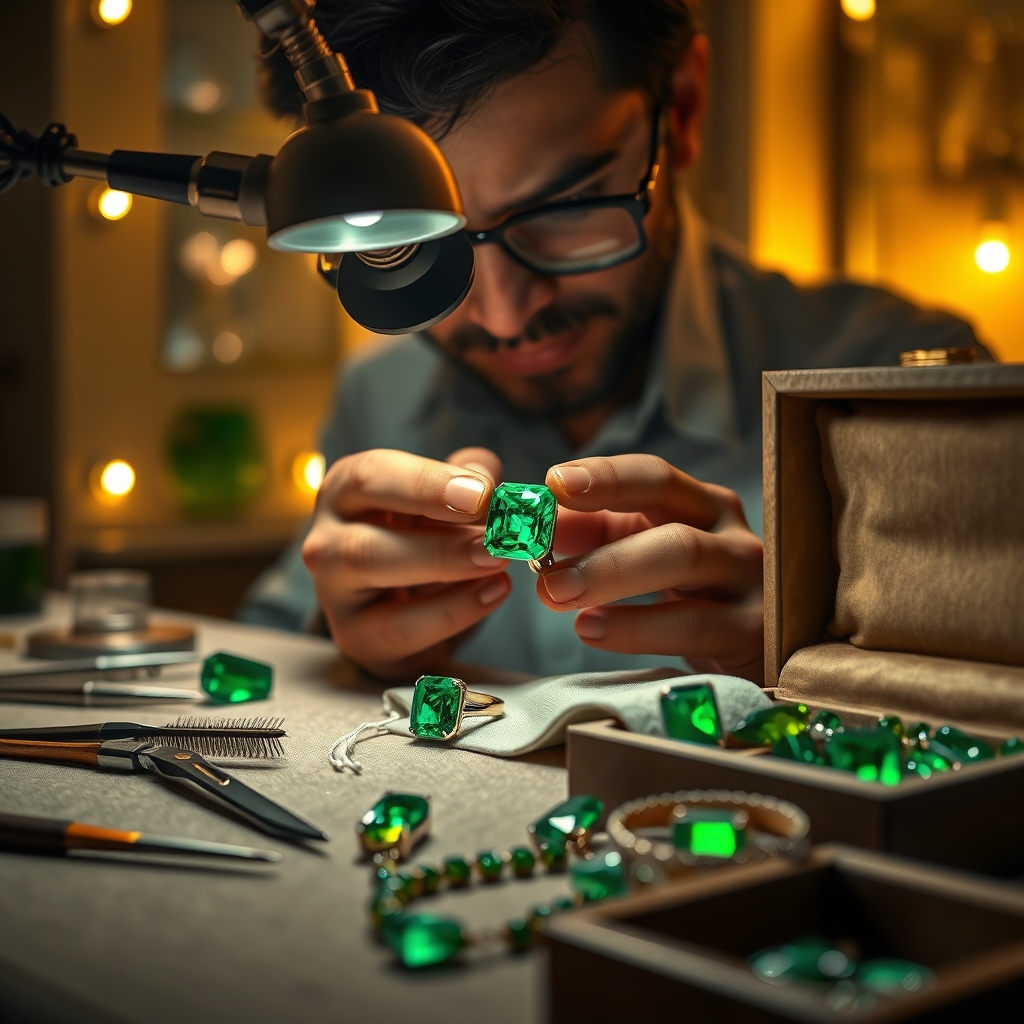
Before diving into care or repair, the first step is ensuring the authenticity of your green gemstone. The market is flooded with synthetic and treated stones, making it essential to distinguish the real from the imitation. Start with a loupe—10x magnification is ideal—to inspect the gem for natural inclusions. Emeralds, for instance, often contain jardin, or garden-like inclusions, which are telltale signs of their natural origin. Tsavorites, on the other hand, are typically eye-clean but may show tiny, needle-like inclusions under magnification.
For a more scientific approach, consider a refractometer, which measures the refractive index of the stone. Each gem has a unique range; for example, emeralds fall between 1.577 and 1.583, while peridot ranges from 1.654 to 1.690. If you’re unsure, consulting a certified gemologist can provide peace of mind and prevent costly mistakes. Remember, the value of a gem isn’t just in its appearance but in its authenticity.
Gentle Cleaning: Preserving the Luster of Green Gemstones
Cleaning green gemstones requires a gentle touch. Harsh chemicals, ultrasonic cleaners, and even some commercial jewelry cleaners can damage their delicate surfaces or strip away treatments like oils or resins used to enhance clarity. Instead, opt for a soft-bristled toothbrush and a mild solution of warm water and dish soap. Gently scrub the stone, paying attention to the underside where dirt and oils accumulate. For stubborn grime, a solution of equal parts water and ammonia (used sparingly) can be effective, but always rinse thoroughly afterward.
Emeralds, in particular, are porous and often treated with oils or resins to fill fractures. Avoid soaking them or exposing them to heat, as this can cause the fillers to leak out, dulling the stone’s appearance. Peridot, while more durable, is sensitive to acids, so keep it away from lemon juice, vinegar, or even sweat. After cleaning, pat the gem dry with a soft, lint-free cloth to restore its natural brilliance.
Polishing Without the Pitfalls
Polishing green gemstones is a delicate process that can either enhance their beauty or cause irreversible damage. For minor scratches on rings or settings, a jeweler’s rouge or a polishing cloth designed for gemstones can work wonders. However, avoid over-polishing, as this can wear down the stone’s surface over time. For deeper scratches or dullness, it’s best to consult a professional jeweler who can repolish the gem without compromising its integrity.
When polishing emerald rings, exercise caution. The stone’s brittleness means it can chip or crack under pressure. Instead of aggressive polishing, focus on the metal setting first, then gently buff the emerald with a soft cloth. For other green gemstones like tourmaline or tsavorite, a light touch with a polishing cloth can restore their sparkle without risking damage.
Repairing and Restoring: When to DIY and When to Call a Pro
Not all jewelry repairs are created equal, and some are best left to the experts. Loose settings, for example, can often be tightened at home with a pair of needle-nose pliers, but if the prongs are worn or damaged, a jeweler’s expertise is necessary to prevent the stone from falling out. Similarly, untangling delicate chains can be a frustrating task, but using a bit of baby oil or lubricant can help slide the links apart without causing kinks or breaks.
Broken clasps and earring posts are common issues that may require soldering or replacement. While DIY kits are available, they often lack the precision of professional tools. A jeweler can ensure the repair is seamless and secure, preserving the piece’s value and functionality. For antique jewelry, restoration is even more nuanced. The goal isn’t just to repair but to maintain the piece’s historical integrity, which often involves specialized techniques like laser welding or hand-forging missing components.
Securing Loose Stones and Strengthening Weak Points
Loose stones are a jewelry owner’s nightmare, but they don’t always spell disaster. If you notice a gem wobbling in its setting, stop wearing the piece immediately to avoid losing the stone. For a temporary fix, you can use a small amount of clear nail polish to secure the gem in place, but this is only a short-term solution. A jeweler can assess whether the prongs need tightening, re-tipping, or if the stone requires a more secure setting, such as a bezel or channel setting.
Wire wraps, often used in handmade or bohemian-style jewelry, can weaken over time. To strengthen them, a jeweler can reinforce the wrap with additional wire or solder, ensuring the stone remains securely in place. For pieces with multiple stones, like a pavé setting, regular inspections are crucial. Even the smallest loose stone can lead to a cascade of damage if left unchecked.
Storing Green Gemstones: Protecting Their Radiance
Proper storage is the unsung hero of jewelry care. Green gemstones, especially softer varieties like peridot or emerald, should be stored separately to prevent scratches. Soft pouches or lined jewelry boxes with individual compartments are ideal. For pieces you wear frequently, consider a travel case with padded dividers to protect them from knocks and bumps.
Avoid storing jewelry in humid environments, as moisture can cause metals to tarnish and gemstones to lose their luster. Silica gel packets can help absorb excess moisture in storage areas. For peridot, which is sensitive to sudden temperature changes, keep it away from direct sunlight or heat sources, as prolonged exposure can cause the stone to fade or crack.
Preventing Discoloration and Maintaining Shine
Discoloration is a common issue with green gemstones, particularly those treated with oils or resins. To prevent this, remove your jewelry before swimming, showering, or applying lotions and perfumes. Chemicals in chlorine, saltwater, and cosmetics can react with the stone or its setting, leading to dullness or even structural damage. After wearing, give your jewelry a quick wipe with a soft cloth to remove any residue.
For cloudy crystals or dull gemstones, a professional cleaning or repolishing may be necessary. However, prevention is always better than cure. Regular maintenance, such as checking for loose stones, cleaning with gentle solutions, and storing pieces properly, can keep your green gemstones looking their best for generations.
Every piece of green gemstone jewelry carries a story—a whisper of the earth’s ancient magic, captured in stone and metal. To care for these treasures is to honor their journey, ensuring their beauty endures as a legacy for the future. Whether it’s the deep green of an emerald passed down through generations or the bright sparkle of a new tsavorite, the key lies in understanding their unique needs and treating them with the reverence they deserve. In doing so, you don’t just preserve their physical form; you keep their spirit alive, allowing their radiance to shine on, untarnished by time.