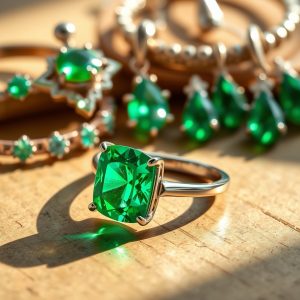
Mastering the Craft: Essential Techniques for Identifying, Repairing, and Caring for Green Gemstone Jewelry
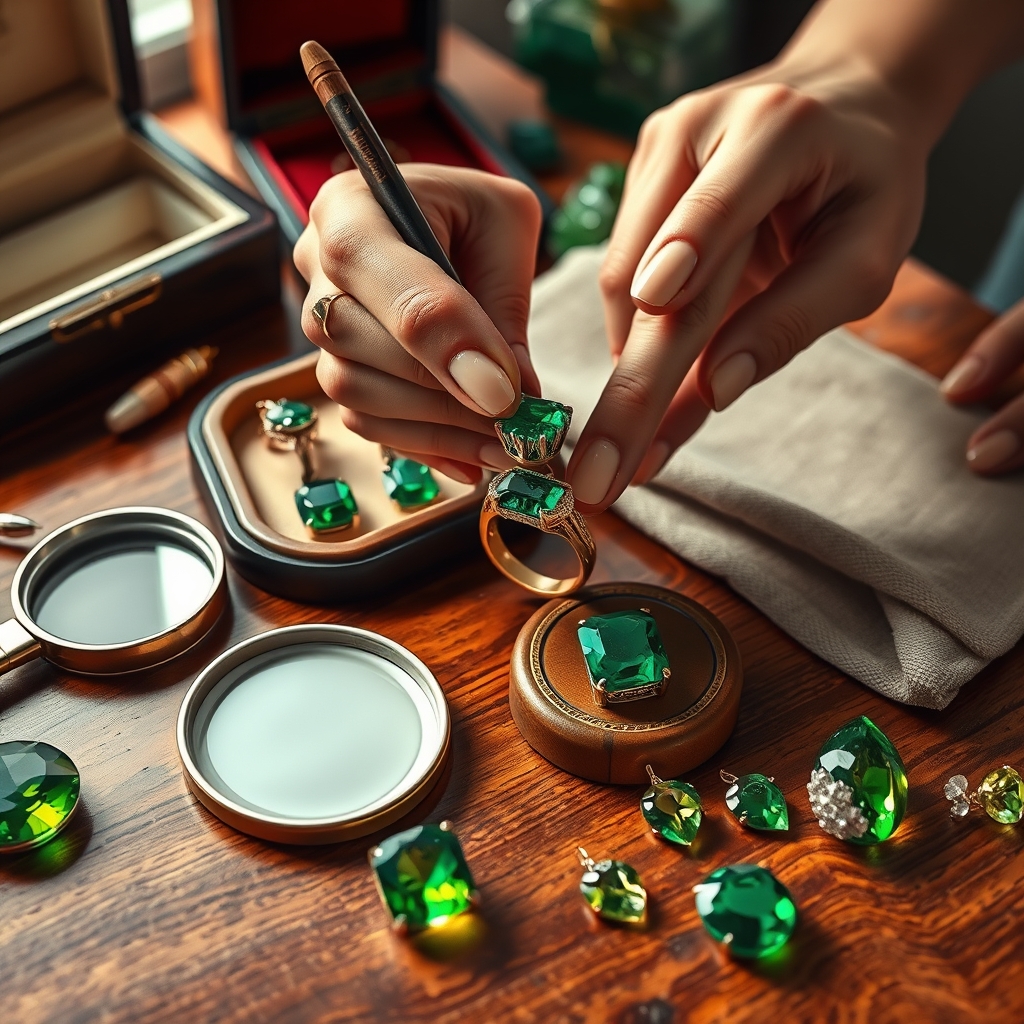
Green gemstones, with their mesmerizing hues and timeless allure, have captivated jewelry lovers for centuries. From the deep, velvety green of emeralds to the vibrant, electric tones of green tourmaline and the subtle elegance of peridot, these stones add a touch of nature’s beauty to any collection. However, their unique characteristics also demand specialized care, repair, and identification techniques to ensure they remain as stunning as the day they were acquired. Whether you’re a seasoned collector or a newcomer to the world of gemstones, understanding how to properly maintain and restore your green jewelry is essential.
The Art of Authentic Gem Identification
Before diving into repairs or cleaning, it’s crucial to confirm the authenticity of your green gemstones. The market is flooded with synthetic gems and imitations that can easily deceive the untrained eye. One of the most reliable methods for detecting synthetic gems is using a jeweler’s loupe to inspect inclusions. Natural emeralds, for example, often contain tiny imperfections or inclusions that synthetic stones lack. Additionally, tools like a refractometer can measure the refractive index of a gem, providing clues about its authenticity. For those interested in identifying real tsavorite, a rare and valuable green garnet, look for its high brilliance and lack of pleochroism—a property where the stone appears to change color when viewed from different angles.
Another key identifier is the stone’s hardness. Using the Mohs scale, you can scratch-test an inconspicuous area of the gem. For instance, peridot ranks around 6.5 to 7, while emeralds are slightly softer at 7.5 to 8. If a stone scratches too easily, it may not be genuine. When in doubt, consulting a certified gemologist can provide peace of mind and ensure you’re investing in or caring for an authentic piece.
Cleaning Green Gemstones: A Delicate Balance
Green gemstones, while durable, require careful cleaning to avoid damaging their surface or altering their color. Harsh chemicals, ultrasonic cleaners, and even some commercial jewelry cleaners can strip away oils or coatings that enhance a gem’s natural beauty. For cleaning green gemstones like emeralds, which are often treated with oils or resins to fill fractures, it’s best to use a soft brush and mild, soapy water. Gently scrub the stone and rinse with lukewarm water, then pat dry with a lint-free cloth. Avoid soaking emeralds, as prolonged exposure to water can weaken the fillers and cause the stone to appear cloudy.
For green tourmaline care, a similar approach works well, but be mindful of the stone’s sensitivity to heat. Never use steam cleaners or expose tourmaline to high temperatures, as this can cause internal fractures. Peridot, on the other hand, is more resilient but can still be scratched by harder materials. When storing peridot safely, keep it separate from other gemstones to prevent abrasion. A fabric-lined jewelry box or individual pouches can help maintain its shine and prevent accidental damage.
Polishing and Restoring Shine
Over time, even the most well-cared-for jewelry can lose its luster. Polishing emerald rings or other green gemstone pieces requires a gentle touch to avoid scratching the surface. Start by using a polishing cloth designed for delicate gemstones, which can remove minor tarnish and restore shine without abrasive chemicals. For deeper scratches or dullness, a jeweler can use a polishing wheel with a fine-grit compound to buff the surface carefully. However, be cautious—over-polishing can wear down the metal setting or reduce the gem’s carat weight.
If your jewelry features cloudy crystals or dull gemstones, a professional cleaning may be necessary. Jewelers often use specialized solutions to remove built-up grime without harming the stone. For antique pieces, restoration should be handled by experts who understand the delicate balance between preserving the jewelry’s historical integrity and enhancing its beauty. Restoring antique jewelry may involve re-plating metals, re-cutting damaged gems, or replacing missing stones, all of which require a skilled hand.
Repairing Common Jewelry Issues
From fixing loose settings to repairing broken clasps, addressing common jewelry repairs promptly can prevent further damage. Loose stones are a frequent issue, particularly in rings or pendants where prongs can wear down over time. If you notice a gem wobbling in its setting, take it to a jeweler immediately to avoid losing the stone. A professional can choose durable prongs or secure the gem with a bezel setting, which encases the stone in metal for added protection.
For those who enjoy DIY repairs, strengthening wire wraps in handmade jewelry can be done with a few simple tools. Use round-nose pliers to tighten loops and ensure the wire is securely fastened around the gem. If the wire is thin or brittle, consider upgrading to a thicker gauge or a more durable material like sterling silver or gold-filled wire. Earrings with bent or broken posts can often be salvaged by soldering a new post onto the existing piece, but this is best left to professionals to avoid damaging the gem or metal.
Handling Delicate Chains and Stuck Rings
Few things are more frustrating than a tangled chain or a ring that refuses to budge. Untangling delicate chains requires patience and a steady hand. Start by laying the chain flat on a soft surface and using two straight pins to gently tease apart the knots. Avoid pulling forcefully, as this can weaken the links or cause them to break. For stubborn tangles, a drop of lubricant like baby oil or dish soap can help loosen the knots without damaging the metal.
When dealing with a removing stuck rings, the key is to reduce swelling in the finger. Soak your hand in cold water or apply an ice pack to the area for a few minutes. Then, use a lubricant such as soap, lotion, or even cooking oil to slide the ring off gently. If the ring still won’t budge, a jeweler can use specialized tools to cut it off without harming the gemstone or your finger. To prevent this issue in the future, remove rings before engaging in activities that cause swelling, such as exercise or household chores.
Preventing Long-Term Damage
Prevention is always better than cure, especially when it comes to jewelry. To prevent gem discoloration, avoid exposing green gemstones to harsh chemicals, including chlorine, bleach, and even some cosmetics. These substances can erode the surface of the stone or cause it to lose its vibrant color. When storing jewelry, keep pieces in a cool, dry place away from direct sunlight, which can fade certain gemstones over time. For added protection, consider using anti-tarnish strips in your jewelry box to absorb moisture and prevent oxidation.
Regular inspections are also crucial for maintaining your jewelry’s condition. Check for loose stones, worn prongs, or signs of metal fatigue every few months. If you notice any issues, address them promptly to avoid costly repairs or irreversible damage. For those with an extensive collection, keeping a jewelry care journal can help track maintenance schedules and ensure each piece receives the attention it deserves.
Owning green gemstone jewelry is a privilege that comes with responsibility. These stones, with their rich colors and natural beauty, tell a story of the earth’s wonders, and it’s our duty to preserve that story for generations to come. By mastering the techniques of identification, cleaning, and repair, you not only protect your investment but also deepen your connection to the artistry and craftsmanship behind each piece. Whether it’s the deep green of an emerald or the bright sparkle of a peridot, these gems deserve nothing less than the utmost care and respect.