Whispers of the Earth: Unlocking the Secrets of Jade and Jewelry Longevity Through Care and Craftsmanship
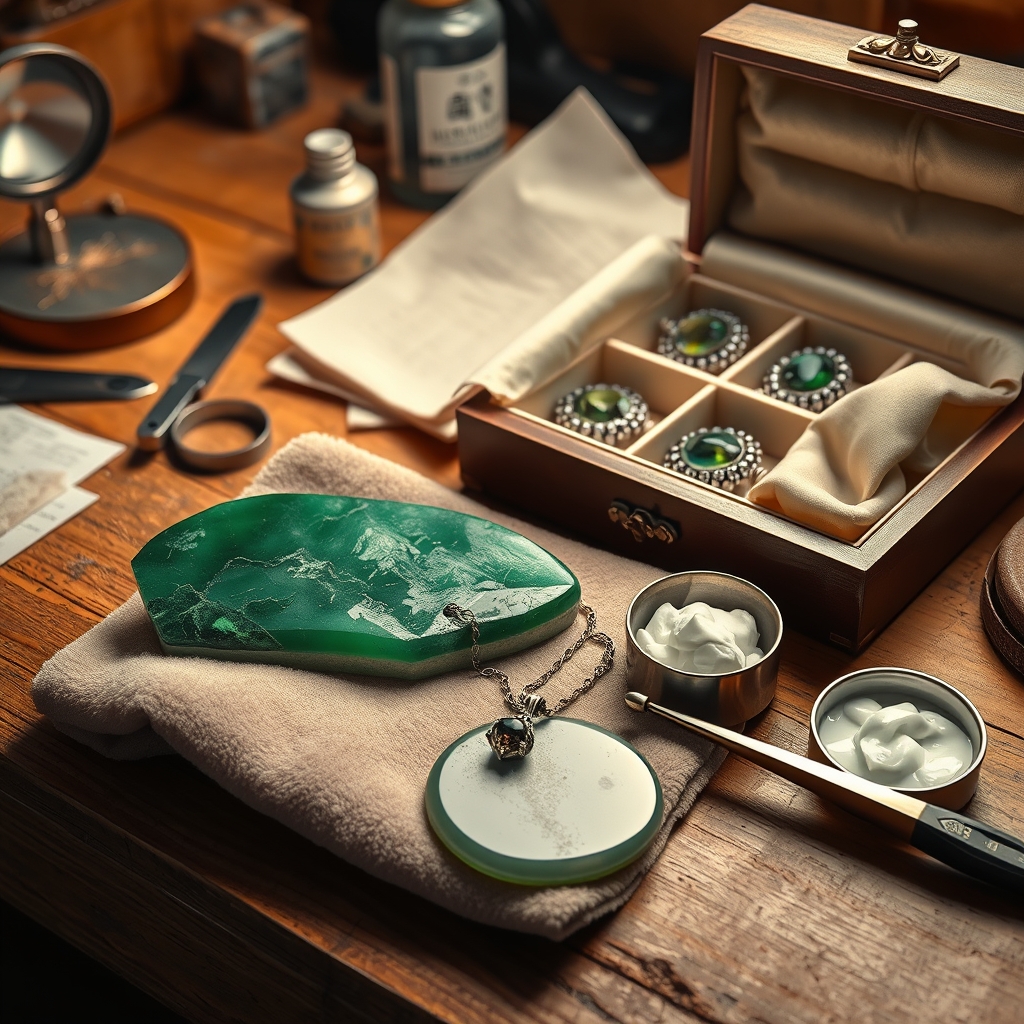
Jade has captivated civilizations for millennia, not just for its mesmerizing hues but for the stories it carries—stories of craftsmanship, heritage, and enduring beauty. Yet, even the most treasured pieces can lose their luster over time, whether through tarnish, loose gemstones, or the subtle discoloration of jade. The key to preserving these whispers of the earth lies in understanding the delicate balance between care and craftsmanship. This guide explores the art of maintaining, repairing, and authenticating your jade and jewelry, ensuring they remain as radiant as the day they were first admired.
The Art of Authentic Jade Identification
Before diving into care techniques, it’s essential to confirm the authenticity of your jade. Genuine jade, whether nephrite or jadeite, possesses a unique combination of toughness, translucency, and coolness to the touch. One of the simplest tests involves holding the stone under a bright light—authentic jade will exhibit a soft, even glow, while imitations often appear dull or overly reflective. For a more precise method, the scratch test can be revealing: jade is incredibly durable and will not scratch easily, whereas softer stones like serpentine or glass will.
Another telltale sign is the sound it produces when gently tapped. Real jade emits a high-pitched, almost musical ring, while fakes tend to produce a dull thud. If you’re still uncertain, consulting a gemologist or using a refractometer can provide definitive results. Remember, the value of jade isn’t just in its appearance but in its authenticity, so taking the time to verify its origins is a crucial first step in its preservation.
Green Jade Care: Nurturing Its Natural Brilliance
Once you’ve confirmed your jade’s authenticity, the next step is ensuring it retains its vibrant green hue. Jade is porous, which means it can absorb oils, lotions, and even the natural acids from your skin. To prevent discoloration, always remove your jade jewelry before applying cosmetics, perfumes, or engaging in activities like swimming or gardening. A soft, damp cloth is all you need for regular cleaning—avoid harsh chemicals or ultrasonic cleaners, as these can strip the stone of its natural oils and cause it to dry out.
For deeper cleaning, a mild soap solution and a soft-bristled brush can gently remove accumulated grime. After cleaning, pat the jade dry with a lint-free cloth and allow it to air-dry completely before storing it. To maintain its shine, consider applying a thin layer of mineral oil occasionally, which can help restore its natural luster without causing damage. However, moderation is key—over-oiling can lead to a buildup that dulls the stone’s appearance over time.
Reviving Tarnished Silver and Loose Gemstones
Silver jewelry, especially pieces paired with jade, can tarnish over time due to exposure to air and moisture. The good news is that restoring its shine is simpler than you might think. A polishing cloth designed for silver can remove light tarnish, while a baking soda and water paste can tackle more stubborn discoloration. For intricate designs, a soft toothbrush dipped in the paste can reach crevices without scratching the metal. Rinse thoroughly and dry immediately to prevent new tarnish from forming.
Loose gemstones, on the other hand, require a more delicate touch. If you notice a stone wobbling in its setting, avoid wearing the piece until it’s repaired to prevent loss. A jeweler can secure the gemstone by tightening the prongs or re-setting it entirely. For minor adjustments at home, a pair of tweezers can gently nudge prongs back into place, but this should only be a temporary fix. When in doubt, professional help ensures the integrity of both the stone and the setting.
Polishing Imperial Jade: A Delicate Dance
Imperial jade, with its rich, emerald-green color, is one of the most prized varieties of jadeite. Polishing it requires patience and precision to avoid damaging its surface. Start by using a fine-grit sandpaper (around 1200 grit) to smooth out any scratches, working in gentle, circular motions. Follow this with an even finer grit (3000 or higher) to refine the surface, and finish with a polishing compound designed for gemstones. A rotary tool with a soft polishing wheel can achieve a mirror-like finish, but take care not to apply too much pressure, as jade can chip if handled roughly.
For those who prefer a more hands-off approach, professional jewelers offer polishing services that can restore imperial jade to its former glory. Whether you choose to DIY or seek expert help, the goal is the same: to enhance the stone’s natural beauty without compromising its structure.
Untangling Fine Chains and Repairing Broken Clasps
Few things are as frustrating as a tangled chain or a broken clasp, especially when the piece holds sentimental value. Untangling a fine chain requires a steady hand and a bit of patience. Start by laying the chain flat on a soft surface and using two straight pins to gently tease apart the knots. If the tangle is particularly stubborn, a drop of baby oil or dish soap can lubricate the links, making them easier to separate. Avoid pulling forcefully, as this can weaken or break the chain.
Broken clasps, on the other hand, often necessitate professional repair, but there are temporary fixes you can try at home. A jump ring or lobster clasp can be attached to the existing clasp with a pair of pliers, providing a quick solution until you can visit a jeweler. For a more permanent fix, soldering may be required, which is best left to the experts to ensure the repair is both secure and seamless.
Detecting Fake Jade: Beyond the Surface
The market is flooded with jade imitations, from dyed quartz to plastic replicas, making it increasingly difficult to distinguish the real from the fake. One of the most reliable methods for detecting fake jade is the thermal test: hold the stone in your hand for a few minutes—real jade will remain cool, while imitations will warm up quickly. Additionally, inspect the stone under magnification; authentic jade will have a fibrous, interwoven structure, whereas fakes often display a granular or glassy texture.
Another red flag is the price. Genuine jade, particularly imperial jade, commands a high value, so if a deal seems too good to be true, it likely is. When in doubt, seek a second opinion from a trusted jeweler or gemologist. Investing in a reputable source not only ensures the authenticity of your jade but also supports ethical practices in the gemstone trade.
Storing Jade Safely: Preserving Its Essence
Proper storage is just as important as regular cleaning when it comes to maintaining your jade’s beauty. Jade should be stored separately from other jewelry to prevent scratches, ideally in a soft pouch or a lined jewelry box. Avoid exposing it to direct sunlight or extreme temperatures, as these can cause the stone to fade or crack over time. For long-term storage, consider wrapping the jade in a soft cloth to protect it from dust and moisture.
If your jade jewelry features metal components, such as silver or gold, storing it in an airtight container with silica gel packets can help prevent tarnish. For pieces you wear frequently, a quick wipe-down after each use can remove oils and debris, keeping the jade looking its best. By taking these small but meaningful steps, you can ensure that your jade remains a timeless treasure for generations to come.
Every piece of jade and jewelry carries a story, a fragment of history that deserves to be preserved. Whether it’s the deep green of imperial jade or the intricate craftsmanship of a silver setting, these treasures connect us to the past while allowing us to create new memories. By mastering the art of care and repair, we don’t just maintain their physical beauty—we honor the legacy they represent, ensuring they continue to shine as brightly as the day they were first cherished.