Guardians of Elegance: Expert Methods to Preserve, Restore, and Verify Your Cherished Jewelry and Jade
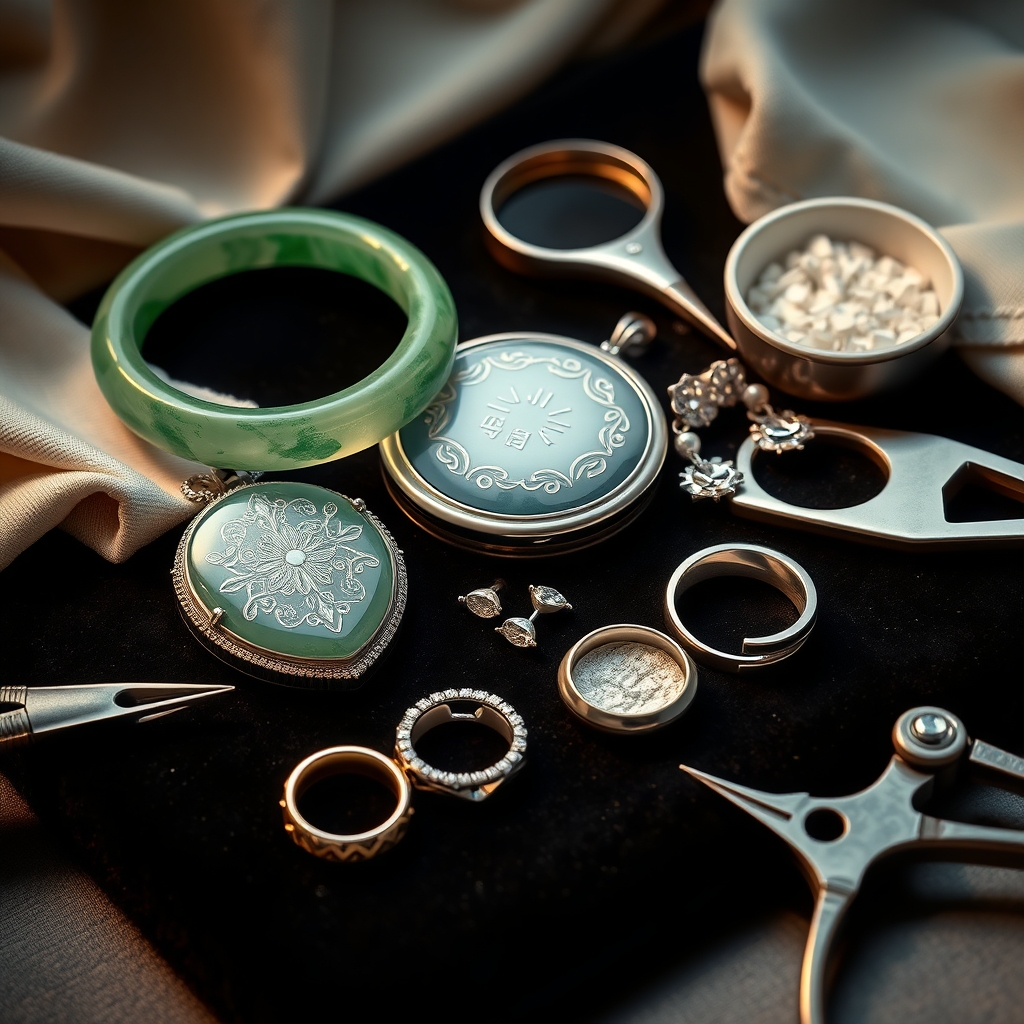
Jewelry and jade pieces are more than just accessories; they are heirlooms, investments, and symbols of personal significance. Whether it’s a delicate silver locket passed down through generations or a vibrant imperial jade bracelet, these treasures require mindful care to maintain their beauty and integrity. Understanding how to identify, repair, and preserve them ensures they remain as stunning as the day they were acquired.
The Art of Authentic Jade Identification
Jade, particularly imperial jade, is one of the most coveted gemstones in the world, but its allure has also made it a target for counterfeiters. Detecting fake jade requires a keen eye and a few reliable techniques. Start by examining the stone’s texture—authentic jade has a smooth, cool feel and a slightly waxy luster. Hold it up to the light; genuine jade often exhibits a subtle, even translucency, whereas imitations may appear overly glossy or cloudy.
Another effective method is the scratch test. Jade is remarkably tough, ranking between 6 and 7 on the Mohs hardness scale. A steel knife or nail should not leave a mark on authentic jade, while softer stones like serpentine or dyed quartz will scratch easily. For a more scientific approach, consider using a refractometer to measure the stone’s refractive index, which should fall between 1.60 and 1.66 for genuine jadeite. If in doubt, consulting a certified gemologist can provide definitive clarity.
Reviving the Luster: Cleaning and Polishing Jade
Over time, even the most meticulously cared-for jade can lose its vibrancy. To restore its natural shine, begin with a gentle cleaning solution. Mix a few drops of mild dish soap with lukewarm water and use a soft-bristled toothbrush to carefully scrub the surface. Avoid harsh chemicals or abrasive materials, as these can damage the stone’s delicate surface. For stubborn grime, a solution of equal parts water and white vinegar can be used sparingly, but always rinse thoroughly afterward.
Polishing imperial jade requires a bit more finesse. Use a microfiber cloth or a specialized jade polishing cloth to buff the stone in circular motions. For deeper scratches or dullness, a small amount of jade polishing compound can be applied with a soft cloth. However, over-polishing can wear down the stone, so moderation is key. If the jade is set in jewelry, ensure the metal components are also cleaned and polished to complement the stone’s renewed brilliance.
Preventing Discoloration and Damage
Jade is sensitive to environmental factors, and prolonged exposure to sunlight, heat, or chemicals can cause discoloration. To prevent this, store jade pieces in a cool, dry place, away from direct sunlight. A fabric-lined jewelry box or a soft pouch can provide additional protection. Avoid wearing jade jewelry while swimming, showering, or applying lotions and perfumes, as chlorine, saltwater, and chemicals can erode the stone’s surface over time.
For jade bracelets or rings, be mindful of physical impact. Jade is durable but not indestructible—dropping it or knocking it against hard surfaces can lead to cracks or chips. If you’re engaging in activities that may expose your jade to rough conditions, it’s best to remove it beforehand.
Restoring and Repairing Jewelry: From Tarnished Silver to Loose Gemstones
Jewelry, regardless of its material, is prone to wear and tear. Tarnished silver, loose gemstones, and broken clasps are common issues that can often be addressed at home with the right tools and techniques. For tarnished silver, a simple baking soda and aluminum foil bath can work wonders. Line a bowl with foil, add hot water and a tablespoon of baking soda, then place the silver piece inside. The chemical reaction will lift the tarnish, leaving the silver gleaming. For stubborn tarnish, a silver polishing cloth can help restore its shine.
Loose gemstones are another frequent concern. If a stone feels wobbly in its setting, it’s essential to address it promptly to prevent loss. A small amount of jewelry adhesive, such as jeweler’s cement, can secure the stone temporarily, but for a long-term fix, a professional jeweler should inspect and reset the gemstone. Similarly, broken clasps can often be replaced with relative ease. Many jewelry supply stores sell replacement clasps, and with a pair of needle-nose pliers, you can swap out the old clasp for a new one.
Untangling Fine Chains and Securing Loose Prongs
Fine chains are notorious for tangling, but with patience and the right approach, they can be untangled without damage. Lay the chain on a flat surface and use two straight pins to gently tease apart the knots. Start from the outermost loops and work your way inward. If the chain is severely tangled, a drop of baby oil or lubricant can help loosen the knots. Once untangled, store chains individually in small bags or compartments to prevent future tangles.
Loose prongs are a serious issue, as they can lead to lost gemstones. Regularly inspect your jewelry for signs of wear, such as bent or lifted prongs. If you notice any issues, take the piece to a jeweler for repair. Attempting to fix prongs at home can often do more harm than good, especially with delicate or antique pieces. A professional can re-tip or replace prongs, ensuring the gemstone remains securely in place.
Storing and Maintaining Jewelry for Longevity
Proper storage is the cornerstone of jewelry preservation. Keep pieces in a dry, temperature-controlled environment, away from humidity and direct sunlight. Use anti-tarnish bags or cloth-lined boxes to protect silver and other metals from oxidation. For jade and other gemstones, individual pouches or compartments prevent scratches and minimize contact with other pieces.
Regular maintenance is equally important. Clean your jewelry periodically to remove oils, dirt, and residue that can dull its appearance. For pieces with intricate designs or delicate settings, a soft brush and mild soap solution can help reach crevices without causing damage. Avoid ultrasonic cleaners for jade, opals, or other porous stones, as the vibrations can cause cracks or fractures.
When it comes to repairs, knowing when to seek professional help is crucial. While minor fixes like polishing or untangling chains can be done at home, more complex issues—such as resizing rings, repairing broken settings, or restoring antique jewelry—require the expertise of a skilled jeweler. Investing in professional care ensures your treasures remain in pristine condition for years to come, allowing you to enjoy their beauty and significance without worry.
Every piece of jewelry or jade carries a story, a memory, or a moment in time. By mastering the art of care, repair, and identification, you become the guardian of these stories, ensuring they endure as brilliantly as the day they were first cherished.