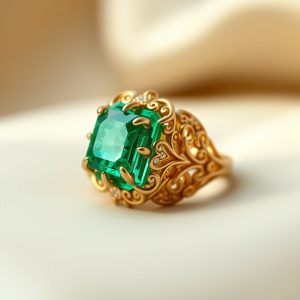
The Jeweler’s Toolkit: Expert Techniques for Identifying, Cleaning, and Repairing Green Gemstone Jewelry
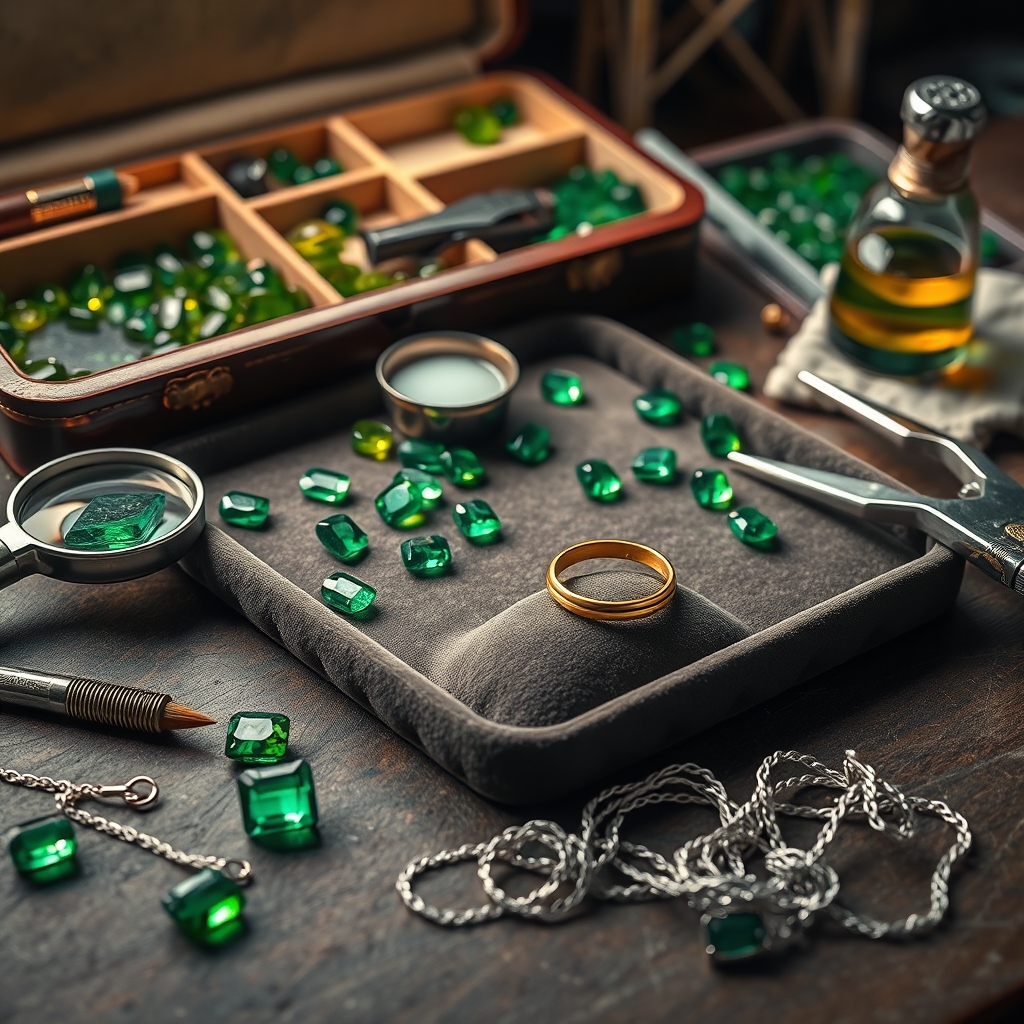
Green gemstones, with their mesmerizing hues and timeless allure, demand a level of care that goes beyond the ordinary. Whether it’s the deep verdant tones of an emerald, the vibrant sparkle of a tsavorite, or the subtle elegance of a peridot, these stones require meticulous attention to maintain their brilliance. Understanding how to identify, clean, and repair green gemstone jewelry ensures that these treasures remain as stunning as the day they were acquired.
The Art of Authentic Gem Identification
Before diving into care and repair, it’s essential to confirm the authenticity of your green gemstones. Synthetic gems and imitations can often mimic the appearance of natural stones, but their value and care requirements differ significantly. A jeweler’s loupe is an invaluable tool for examining inclusions, color zoning, and other natural imperfections that distinguish real gems from their lab-created counterparts. For instance, natural emeralds often contain jardin, a French term for the garden-like inclusions that are telltale signs of their organic formation. Tsavorite, a rare green garnet, typically exhibits a brighter, more saturated color without the blue undertones found in some synthetic alternatives.
For those less experienced, professional gemological testing—such as refractive index measurement or spectroscopy—can provide definitive identification. However, even at home, simple tests like the breath test (where fog dissipates quickly on a real gem) or checking for double refraction (a characteristic of stones like peridot) can offer initial clues. When in doubt, consulting a certified gemologist ensures accuracy and peace of mind.
Cleaning Green Gemstones: Gentle Yet Effective Methods
Cleaning green gemstones requires a delicate balance between effectiveness and safety. Harsh chemicals or abrasive materials can damage soft stones or erode delicate settings. For most green gemstones, a solution of warm water and mild dish soap works wonders. Soak the jewelry for a few minutes, then gently scrub with a soft-bristled toothbrush, paying special attention to areas where dirt and oils accumulate, such as beneath prongs or along intricate metalwork. Rinse thoroughly and pat dry with a lint-free cloth.
Emeralds, however, are a notable exception. Their natural fractures make them particularly vulnerable to damage from ultrasonic cleaners or steam. Instead, use a damp cloth to wipe the surface, avoiding any vigorous scrubbing. For cloudy crystals or heavily tarnished pieces, a mixture of baking soda and water can create a gentle paste for polishing, but always test on a small, inconspicuous area first. Green tourmaline, while more durable, benefits from the same cautious approach to preserve its vitreous luster.
Special Considerations for Delicate Chains and Settings
Jewelry with delicate chains or intricate settings, such as pendant necklaces or drop earrings, requires extra care during cleaning. Untangling delicate chains can be a frustrating task, but patience is key. Lay the chain flat on a soft surface and use two straight pins to gently tease apart the knots, working from the outside in. Avoid pulling or tugging, as this can weaken the metal or cause breakage. For stubborn tangles, a drop of lubricant like olive oil or jewelry-specific solution can help loosen the knots without damaging the chain.
Loose settings are another common issue, particularly in rings or bracelets where stones are more prone to movement. If you notice a gem wobbling or shifting, it’s crucial to address it promptly to prevent loss. A jeweler can tighten prongs or re-secure the stone, but for minor adjustments, a pair of fine-tipped pliers can be used to gently press prongs back into place. Always ensure the stone is secure before wearing the piece again.
Repairing and Restoring: Bringing Jewelry Back to Life
Over time, even the most well-cared-for jewelry can show signs of wear. Scratches on metal, broken clasps, or chipped stones are common issues that can often be repaired with the right techniques. For scratches on rings or bracelets, a jeweler’s polishing cloth can restore shine, while deeper scratches may require professional buffing. If a ring feels stuck on your finger, resist the urge to force it off. Instead, apply a lubricant like soap or lotion and gently twist the ring while pulling. For severely stuck rings, a visit to a jeweler is the safest option to avoid injury or damage to the piece.
Broken clasps and earring posts are another frequent repair need. Soldering can often fix these issues, but for those without access to a jeweler’s tools, temporary solutions like jewelry glue can provide a short-term fix. However, these should never replace professional repairs, as improper fixes can lead to further damage. Antique jewelry, in particular, requires a delicate touch. Restoring these pieces often involves cleaning tarnished metal, re-securing loose stones, and sometimes even re-plating to bring back their original luster. Always consult a specialist when dealing with valuable or heirloom pieces to ensure their integrity is preserved.
Preventing Discoloration and Maintaining Shine
Preventing gem discoloration and maintaining the shine of your jewelry starts with proper storage. Green gemstones like peridot and tsavorite should be stored separately from harder stones like diamonds or sapphires to avoid scratches. Soft pouches or lined jewelry boxes with individual compartments are ideal. For added protection, consider using anti-tarnish strips or silica gel packets to absorb moisture, which can accelerate tarnishing or dullness.
Regular wear can also contribute to discoloration, particularly in pieces exposed to chemicals like chlorine, perfume, or household cleaners. Always remove jewelry before swimming, showering, or applying lotions and sprays. For wire-wrapped pieces, check periodically for signs of weakness or corrosion. Strengthening wire wraps may involve re-twisting or replacing the wire entirely, a task best left to professionals if the piece is intricate or valuable.
Choosing Durable Settings and Prongs for Longevity
The setting of a gemstone plays a crucial role in its longevity. Prongs, bezel settings, and channel settings each offer different levels of security and protection. Prong settings, while popular for their ability to showcase a stone’s brilliance, can become loose over time. Regular inspections can catch this early, preventing stone loss. Bezel settings, where a metal rim encircles the gem, provide excellent protection and are ideal for active lifestyles. Channel settings, often used in eternity bands, secure stones side by side and are less prone to snagging or loosening.
When selecting a setting, consider the hardness of the gemstone. Softer stones like emeralds benefit from protective settings that shield them from daily wear. Harder stones like green tourmaline can withstand more exposure but still require secure prongs or bezels to prevent shifting. Consulting with a jeweler can help determine the best setting for your specific gemstone and lifestyle.
Every piece of green gemstone jewelry tells a story, whether it’s an heirloom passed down through generations or a modern treasure chosen for its unique beauty. The care and attention given to these pieces not only preserve their physical attributes but also honor the craftsmanship and sentiment behind them. With the right knowledge and tools, maintaining their brilliance becomes a rewarding part of the journey, ensuring they continue to captivate and inspire for years to come.