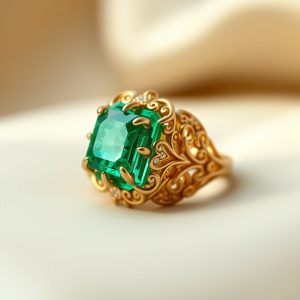
The Unseen Craft: Preserving the Soul of Your Green Gemstone Jewelry Through Expert Care and Repair
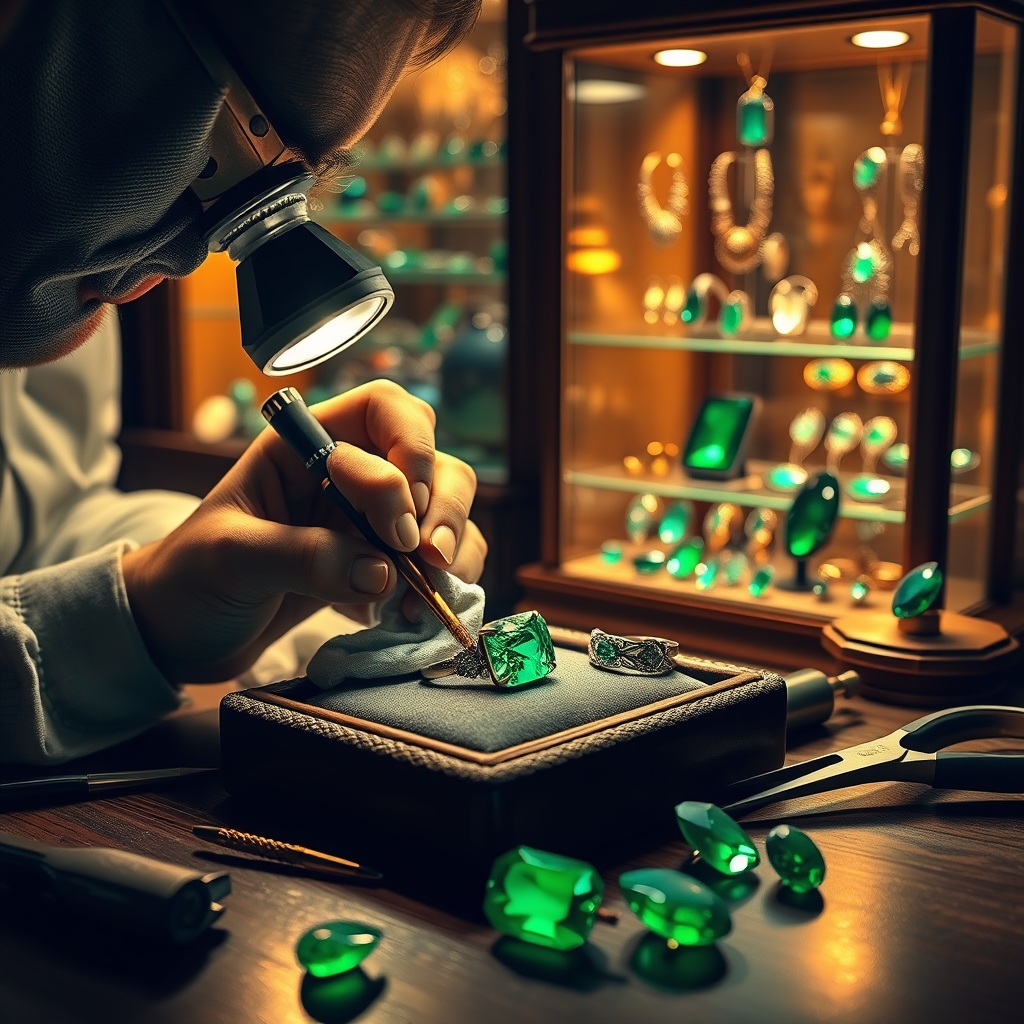
Green gemstones, with their mesmerizing hues and timeless allure, are more than just adornments—they are fragments of the earth’s artistry, passed down through generations or cherished as personal treasures. Yet, their beauty is not invincible. The oils from your skin, the accidental knocks against hard surfaces, or even the slow creep of time can dull their brilliance or weaken their settings. The key to keeping these gems vibrant lies not just in admiration, but in understanding the delicate balance between their natural resilience and the care they demand.
The Art of Authentic Gem Identification
Before diving into repairs or maintenance, the first step is ensuring the authenticity of your green gemstones. Synthetic gems, while often visually stunning, lack the rarity and value of their natural counterparts. To distinguish between the two, start with a loupe—a jeweler’s magnifying tool—to inspect inclusions. Natural gems like emeralds, green tourmaline, or tsavorite garnet often contain unique internal flaws, known as inclusions, which synthetic stones may lack or mimic imperfectly. Another reliable method is the refractive index test, where a gem’s ability to bend light is measured. Natural emeralds, for instance, have a refractive index between 1.57 and 1.59, while lab-created versions may fall outside this range. For those less experienced, consulting a certified gemologist can provide peace of mind and prevent costly mistakes.
Detecting Synthetic Gems: What to Look For
Synthetic gems are often flawless under magnification, a red flag for seasoned collectors. Additionally, they may exhibit unusual color zoning—areas of concentrated color that appear unnatural. Another telltale sign is the presence of gas bubbles, which are rare in natural stones but common in lab-grown counterparts. For green tourmaline, which ranges from pale mint to deep forest green, natural specimens often display pleochroism—different colors when viewed from varying angles. Synthetic versions may lack this optical phenomenon, appearing uniformly colored. When in doubt, a gemological certificate from a reputable institution like the GIA (Gemological Institute of America) can confirm authenticity.
Cleaning Green Gemstones: A Gentle Approach
Green gemstones, particularly those with lower hardness ratings like peridot or emerald, require a gentle touch when cleaning. Harsh chemicals or abrasive tools can scratch their surfaces or strip away protective oils, leaving them vulnerable to damage. Begin by soaking the jewelry in lukewarm water mixed with a mild dish soap—avoid anything with bleach or ammonia, as these can corrode metal settings or discolor the stone. For emeralds, which are often treated with oils or resins to enhance clarity, avoid ultrasonic cleaners entirely, as they can remove these fillers and expose internal fractures.
Polishing Emerald Rings and Other Delicate Pieces
Polishing emerald rings or other green gemstone jewelry requires patience and the right tools. Start with a soft, lint-free cloth—microfiber works well—to gently buff the surface. For stubborn grime, use a soft-bristled toothbrush dipped in soapy water to reach crevices without scratching the stone. If the gem has lost its luster, a professional jeweler can repolish it using specialized compounds that won’t damage the stone. For peridot, which is softer than many other gemstones, avoid excessive pressure during polishing, as it can create micro-scratches that dull its brilliance over time.
Repairing Common Jewelry Issues
Even with the best care, jewelry can succumb to wear and tear. Loose settings, broken clasps, or tangled chains are common issues that, if left unaddressed, can lead to lost stones or irreparable damage. For loose settings, a jeweler can tighten prongs or re-tip them to secure the gem. When choosing durable prongs, consider metals like platinum or gold, which offer strength without compromising aesthetics. For broken clasps, replacing them with high-quality alternatives—such as lobster clasps for necklaces—can prevent future mishaps.
Fixing Loose Settings and Strengthening Wire Wraps
Wire-wrapped jewelry, often used in handmade or artisan pieces, can weaken over time due to stress or improper handling. To strengthen wire wraps, a jeweler can reinforce them with additional coils or solder the ends to prevent unraveling. For rings with loose stones, a professional can assess whether the issue lies with the prongs or the setting itself. In some cases, resizing the ring or replacing the setting entirely may be necessary to ensure the gem’s security. For delicate chains, untangling them requires a steady hand and plenty of patience—using a straight pin or needle to gently separate the links can save you from breaking the chain entirely.
Removing Stuck Rings and Repairing Earring Posts
A stuck ring can be a source of frustration, but forcing it off can damage both the ring and your finger. Instead, try lubricating the area with soap, oil, or even ice to reduce swelling. If the ring remains stuck, a jeweler can use specialized tools to remove it safely. For earring posts that have bent or broken, replacing them with hypoallergenic options like surgical steel or titanium can prevent irritation and ensure a secure fit. If the earring itself is damaged, a jeweler can solder a new post or reinforce the existing one to restore its functionality.
Storing Green Gemstones Safely
Proper storage is just as crucial as cleaning and repairs when it comes to preserving your green gemstone jewelry. Peridot, for example, is sensitive to sudden temperature changes and prolonged exposure to sunlight, which can cause it to fade. Store peridot pieces in a fabric-lined jewelry box or a soft pouch, away from direct light. Emeralds, with their natural fractures, should be kept in a separate compartment to prevent them from rubbing against harder gemstones like diamonds or sapphires, which can scratch their surfaces. For necklaces and bracelets, consider using anti-tarnish strips in your storage area to prevent metal discoloration.
Preventing Gem Discoloration and Maintaining Shine
Gem discoloration can occur due to exposure to chemicals, oils, or even the natural acids in your skin. To prevent this, remove your jewelry before swimming, showering, or applying lotions or perfumes. For cloudy crystals, a gentle cleaning with a mixture of water and baking soda can restore their clarity, but avoid this method for porous stones like opals or turquoise, as it can cause damage. To maintain the shine of your jewelry, regularly inspect it for signs of wear, such as loose stones or tarnished metal, and address these issues promptly to prevent further deterioration.
Caring for green gemstone jewelry is not merely about preserving its physical beauty—it’s about honoring the craftsmanship, history, and natural wonder that each piece represents. Whether it’s the deep green of an emerald, the vibrant hues of a tourmaline, or the subtle glow of a peridot, these gems carry stories that deserve to be passed down in their full splendor. By mastering the art of identification, cleaning, repair, and storage, you become the guardian of their legacy, ensuring that their brilliance endures for generations to come.