Timeless Treasures: A Deep Dive into Jade Authenticity, Jewelry Repairs, and Lasting Brilliance
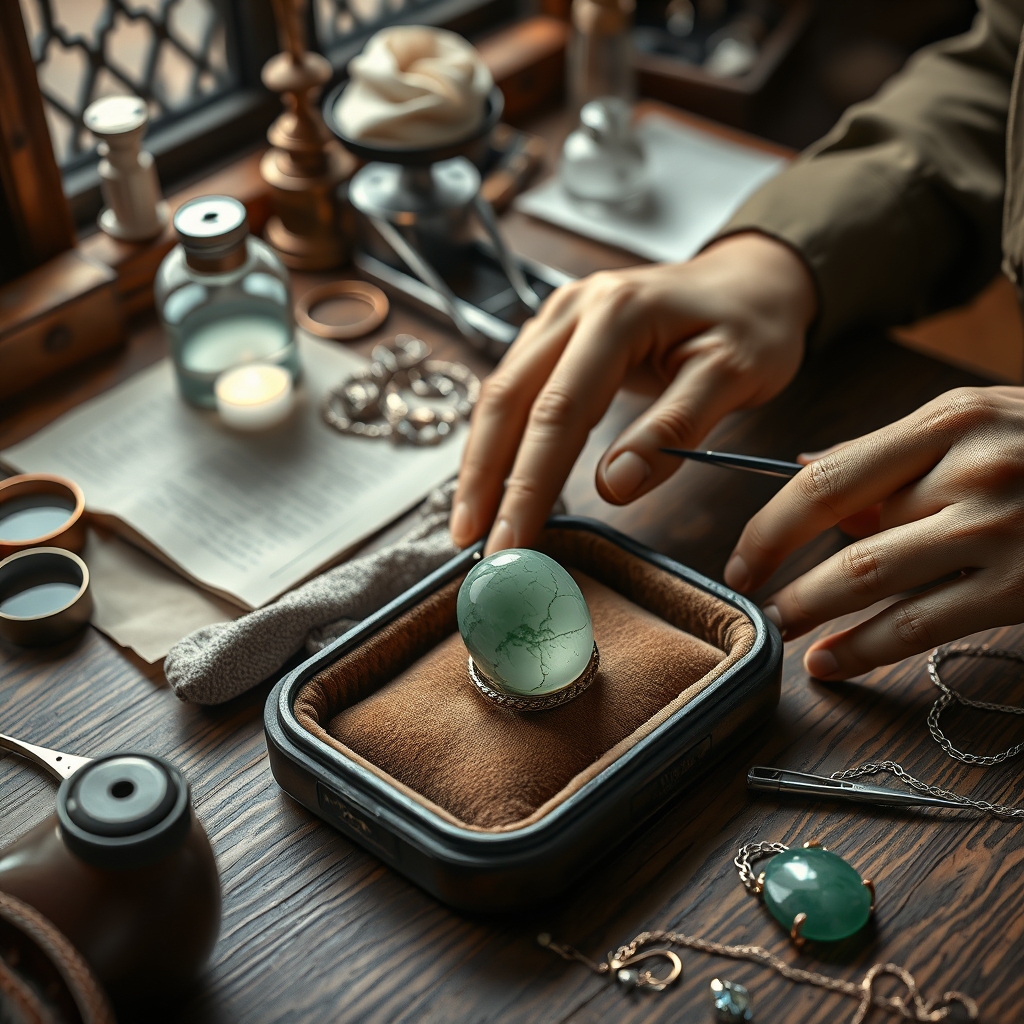
Jewelry and jade pieces are more than mere accessories; they are heirlooms, investments, and symbols of personal stories. Yet, their beauty and value can diminish without proper care, timely repairs, or the ability to distinguish genuine pieces from imitations. Whether you’re a collector, a jewelry enthusiast, or someone who inherited a cherished piece, understanding the nuances of maintenance, repair, and authenticity is essential to preserving their allure for generations to come.
The Enigma of Authentic Jade Identification
Jade, particularly imperial jade, is one of the most coveted gemstones in the world, but its market is rife with counterfeits. Authentic jade identification begins with understanding its two primary forms: nephrite and jadeite. Jadeite, the rarer and more valuable of the two, is prized for its vibrant green hues and translucency. Nephrite, while still beautiful, tends to be more opaque and comes in a wider range of colors, from creamy whites to deep greens.
One of the simplest methods for detecting fake jade is the touch test. Genuine jade feels cool to the touch and warms slowly when held, while plastic or glass imitations warm almost instantly. Another reliable technique is the scratch test—real jade is incredibly durable and will not scratch easily. However, this test should be done discreetly to avoid damaging the piece. For a more scientific approach, consider using a refractometer to measure the stone’s refractive index, which can help distinguish jade from look-alikes like serpentine or dyed quartz.
Real Jade Testing: Beyond the Basics
For those seeking absolute certainty, professional gemological testing is the gold standard. Laboratories can perform spectroscopic analysis to detect treatments like dyeing or polymer impregnation, which are common in lower-quality jade. Additionally, ultraviolet (UV) light testing can reveal fluorescence patterns unique to genuine jade. If a piece glows under UV light, it may indicate the presence of dyes or resins, signaling a fake or treated stone.
Another telltale sign of authenticity is the stone’s texture. Genuine jade often has a slightly granular or fibrous texture, visible under magnification, while imitations like glass or plastic appear smooth and uniform. When in doubt, consult a certified gemologist who can provide a detailed assessment and certification.
Green Jade Care: Preserving Its Natural Splendor
Once you’ve confirmed the authenticity of your jade, proper care is crucial to maintaining its luster. Jade is a porous stone, which means it can absorb oils, lotions, and other substances that dull its surface over time. To clean jade, use a soft, damp cloth and mild soap, avoiding harsh chemicals or ultrasonic cleaners that can damage the stone. After cleaning, pat it dry with a lint-free cloth to prevent water spots.
Preventing jade discoloration is another key aspect of care. Prolonged exposure to sunlight can cause fading, while contact with chemicals like chlorine or perfume can lead to staining. Store your jade pieces in a soft pouch or lined jewelry box, away from direct sunlight and other gemstones that might scratch its surface. For added protection, consider wrapping jade jewelry in a soft cloth before storing it.
Polishing Imperial Jade: Restoring Its Regal Glow
Over time, even the most well-cared-for jade can lose its shine. Polishing imperial jade requires a gentle touch to avoid scratching or damaging the stone. Start by using a soft polishing cloth designed for gemstones, applying light pressure in circular motions. For deeper scratches or dullness, a professional jeweler can use specialized tools and compounds to restore the jade’s natural brilliance without compromising its integrity.
If you’re dealing with antique jade pieces, extra caution is necessary. Antique jade may have delicate carvings or patinas that add to its character and value. In such cases, it’s best to consult a conservator who specializes in antique jewelry to ensure any restoration work preserves the piece’s historical significance.
Jewelry Repairs: Fixing What Time and Wear Have Wrought
Jewelry, no matter how well-made, is susceptible to wear and tear. Loose gemstones, broken clasps, and tangled chains are common issues that can often be repaired with the right techniques. For instance, fixing loose gemstones typically involves securing the prongs or bezel that hold the stone in place. A jeweler can use specialized tools to gently tighten or reshape the setting without damaging the gemstone or the metal.
Securing Loose Prongs and Strengthening Wire Wraps
Loose prongs are a frequent problem in ring settings, particularly in older pieces. If left unaddressed, they can lead to lost gemstones. A jeweler can carefully solder the prongs back into place or reinforce them with additional metal to ensure the stone remains secure. Similarly, wire-wrapped jewelry, which relies on delicate wire to hold gemstones, can weaken over time. Strengthening wire wraps may involve re-wrapping the wire or using a stronger gauge to prevent future breakage.
Repairing Broken Clasps and Untangling Fine Chains
Broken clasps are another common issue, especially in necklaces and bracelets. Depending on the type of clasp, repairs may involve soldering, replacing the clasp entirely, or reinforcing the existing mechanism. For fine chains that have become tangled, patience is key. Lay the chain on a soft surface and use a pair of tweezers to gently work out the knots, starting from the ends and moving toward the center. If the chain is severely tangled, a jeweler can use specialized tools to carefully untangle it without causing damage.
Removing Stuck Rings and Fixing Ring Scratches
Stuck rings can be a frustrating problem, often caused by swelling, temperature changes, or tight settings. To remove a stuck ring, try lubricating the finger with soap, oil, or a commercial ring remover. Gently twist the ring while pulling it upward, taking care not to force it. If the ring remains stuck, a jeweler can use specialized tools to safely remove it without damaging the ring or the finger.
Scratches on rings, particularly those made of softer metals like gold or silver, are inevitable with regular wear. Polishing the ring with a soft cloth and a mild abrasive, such as baking soda or toothpaste, can help reduce the appearance of minor scratches. For deeper scratches, a jeweler can use polishing wheels and compounds to restore the ring’s smooth surface. However, be mindful that excessive polishing can wear down the metal over time, so it’s best to address scratches as they occur.
Maintaining Jewelry Shine: Tips for Long-Lasting Brilliance
Keeping your jewelry looking its best requires regular maintenance and mindful storage. For metals like silver, which are prone to tarnishing, cleaning tarnished silver regularly is essential. Use a silver polishing cloth or a gentle silver cleaner to remove tarnish, and store silver pieces in anti-tarnish bags or cloths to slow down the tarnishing process. Avoid using rubber bands or latex gloves when handling silver, as they can accelerate tarnishing.
For gemstones, regular cleaning is key to maintaining their sparkle. Use a soft brush and mild soap to clean hard gemstones like diamonds, sapphires, and rubies. Softer stones, such as opals or pearls, require more care and should be cleaned with a damp cloth and dried immediately to prevent damage. Ultrasonic cleaners can be used for hard gemstones, but always check with a jeweler first to ensure the stone can withstand the vibrations.
Cleaning Cloudy Crystals and Storing Jade Safely
Cloudy crystals, such as quartz or amethyst, can lose their clarity over time due to buildup or exposure to harsh chemicals. To restore their brilliance, soak the crystals in a solution of warm water and mild dish soap, then gently scrub with a soft brush. For stubborn cloudiness, a mixture of water and vinegar can help dissolve mineral deposits. Rinse the crystals thoroughly and dry them with a soft cloth to prevent water spots.
Storing jade safely is equally important to prevent damage. As mentioned earlier, jade should be stored in a soft pouch or lined box to protect it from scratches and impacts. Avoid storing jade with other gemstones, as harder stones like diamonds can scratch its surface. Additionally, keep jade away from extreme temperatures and humidity, which can cause cracks or discoloration over time.
Jewelry and jade are more than just adornments; they are tangible connections to our past, present, and future. By mastering the art of authenticity, embracing the discipline of care, and addressing repairs with skill and patience, you ensure that these treasures retain their beauty and significance. Whether it’s the regal glow of imperial jade, the timeless elegance of a family heirloom, or the simple joy of a well-loved piece, the effort you invest in their preservation is a testament to their enduring value in your life.