The Gilded Thread: How Global Jewelry Exhibitions Are Stitching Together Craftsmanship, Culture, and Consciousness
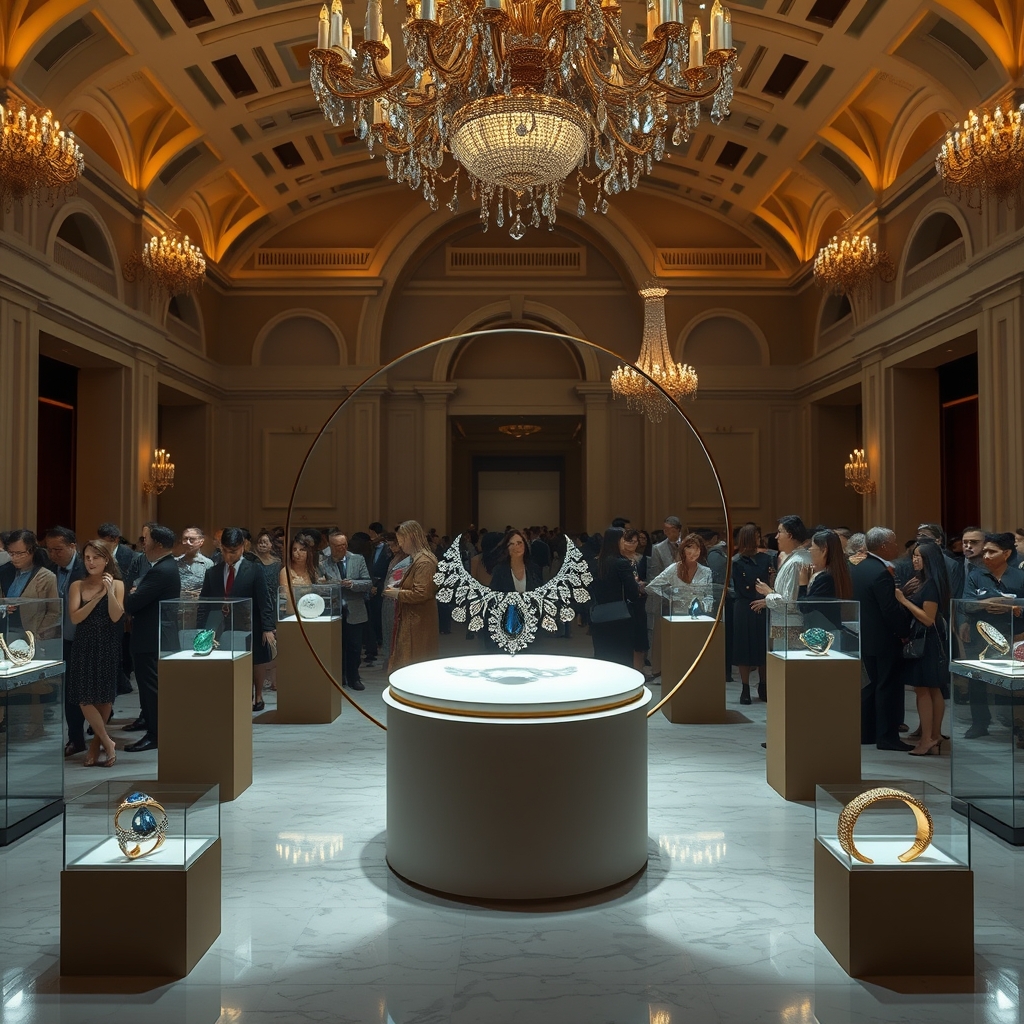
The world of fine jewelry is no longer confined to the hushed halls of private ateliers or the velvet-lined display cases of heritage houses. Today, it thrives in the vibrant, dynamic spaces of global exhibitions, where the clink of champagne flutes mingles with the hum of innovation, and the sparkle of gemstones reflects not just light, but the evolving values of a new era. These events are more than mere showcases—they are the beating heart of an industry in transformation, where the gilded threads of tradition, creativity, and responsibility intertwine to weave the future of adornment.
The Alchemy of Global Gatherings
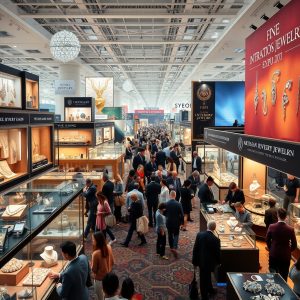
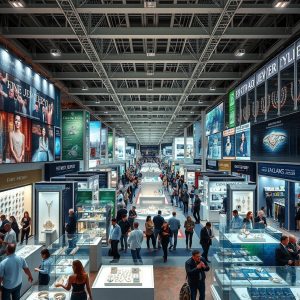
At the International Jewelry Expo or the Global Gem Show, the air is thick with anticipation, as designers, collectors, and connoisseurs converge from every corner of the globe. These exhibitions are not just about commerce; they are cultural crossroads where East meets West, antiquity embraces modernity, and raw materials are elevated into objects of desire. The Fine Jewelry Pavilion, for instance, is a testament to this alchemy, where diamonds from Botswana, sapphires from Kashmir, and pearls from Japan are transformed into pieces that tell stories of their origins, their journey, and the hands that shaped them.
What sets these exhibitions apart is their ability to curate experiences that transcend the visual. The Luxury Gemstone Exhibition in Basel, for example, doesn’t just display stones—it immerses visitors in their history, their geological wonders, and the ethical narratives behind their extraction. Interactive installations, such as augmented reality displays that trace a gemstone’s path from mine to market, invite attendees to engage with the craft on a deeper level. It’s no longer enough to admire a piece’s brilliance; today’s audience demands to know its soul.
The Rise of the Conscious Collector
Perhaps the most profound shift in the world of jewelry exhibitions is the growing emphasis on sustainability and ethics. The Sustainable Jewelry Pavilion at the Contemporary Jewelry Fair in Paris is a prime example of this movement, where recycled metals, lab-grown diamonds, and fair-trade gemstones take center stage. Here, the conversation isn’t just about beauty—it’s about responsibility. Brands like Chopard and Tiffany & Co. have led the charge, committing to traceable supply chains and carbon-neutral practices, but the real revolution is being driven by emerging designers who are redefining luxury through a lens of environmental and social consciousness.
The Avant-Garde Jewelry Exhibit in London pushes this narrative further, showcasing pieces that challenge conventional notions of value. Imagine a necklace crafted from ocean plastic, or earrings made from reclaimed electronic waste—these are not just accessories, but statements. They reflect a generation of collectors who see jewelry as an extension of their values, a way to wear their principles as proudly as they wear their diamonds. The message is clear: the future of luxury is not just about rarity, but about relevance.
The Artisan’s Renaissance
While high jewelry houses continue to dazzle with their opulent creations, there’s a quiet revolution brewing in the Artisan Jewelry Showcase and Emerging Designer Gallery. These spaces celebrate the hands behind the craft, offering a platform for independent creators who blend time-honored techniques with bold, contemporary visions. At the Master Goldsmith Showcase in Florence, visitors can witness the painstaking process of filigree or granulation, techniques that have been passed down through generations but are now being reinterpreted in ways that feel fresh and unexpected.
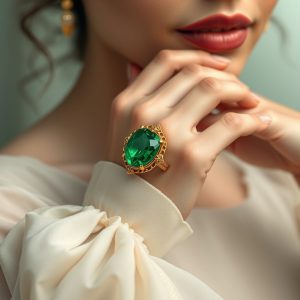
These artisans are the unsung heroes of the jewelry world, and their work is a reminder that true luxury is not just about the price tag, but about the story. A ring forged in a small workshop in Jaipur, using techniques that date back to the Mughal era, carries a weight that no mass-produced piece can match. It’s this authenticity that draws collectors to the Bespoke Jewelry Salon, where customization is king, and every piece is a collaboration between the wearer and the maker.
The Future in Focus
As the boundaries between art, technology, and jewelry continue to blur, exhibitions like the Modernist Jewelry Gallery in New York are pushing the envelope of what adornment can be. 3D printing, AI-driven design, and even biometric jewelry—pieces that respond to the wearer’s emotions or health—are no longer the stuff of science fiction. The Statement Jewelry Exhibition in Milan, for instance, features pieces that double as wearable tech, such as necklaces that monitor stress levels or bracelets that track UV exposure. These innovations are not just gimmicks; they represent a fundamental shift in how we perceive jewelry’s role in our lives.
Yet, for all the excitement around the new, there’s an equally powerful reverence for the old. The Antique Jewelry Salon and Vintage Jewelry Fair are thriving, as collectors seek out pieces with provenance and patina. A Victorian mourning brooch or an Art Deco cocktail ring is not just a relic; it’s a tangible connection to the past, a way to wear history. These exhibitions remind us that while trends may come and go, true craftsmanship is timeless.
The world’s elite jewelry exhibitions are no longer just about what glitters. They are about what endures—whether it’s the legacy of a centuries-old technique, the ethical choices of a modern brand, or the personal story behind a bespoke creation. In a world where fast fashion and disposable culture dominate, these events stand as a testament to the power of slow, intentional craftsmanship. They invite us to pause, to admire, and to ask not just, “How much does it cost?” but “What does it stand for?” In doing so, they are not just shaping the future of jewelry—they are redefining what it means to adorn ourselves with meaning.