The Evolution of Luxury: Exploring the World’s Most Prestigious Jewelry Exhibitions
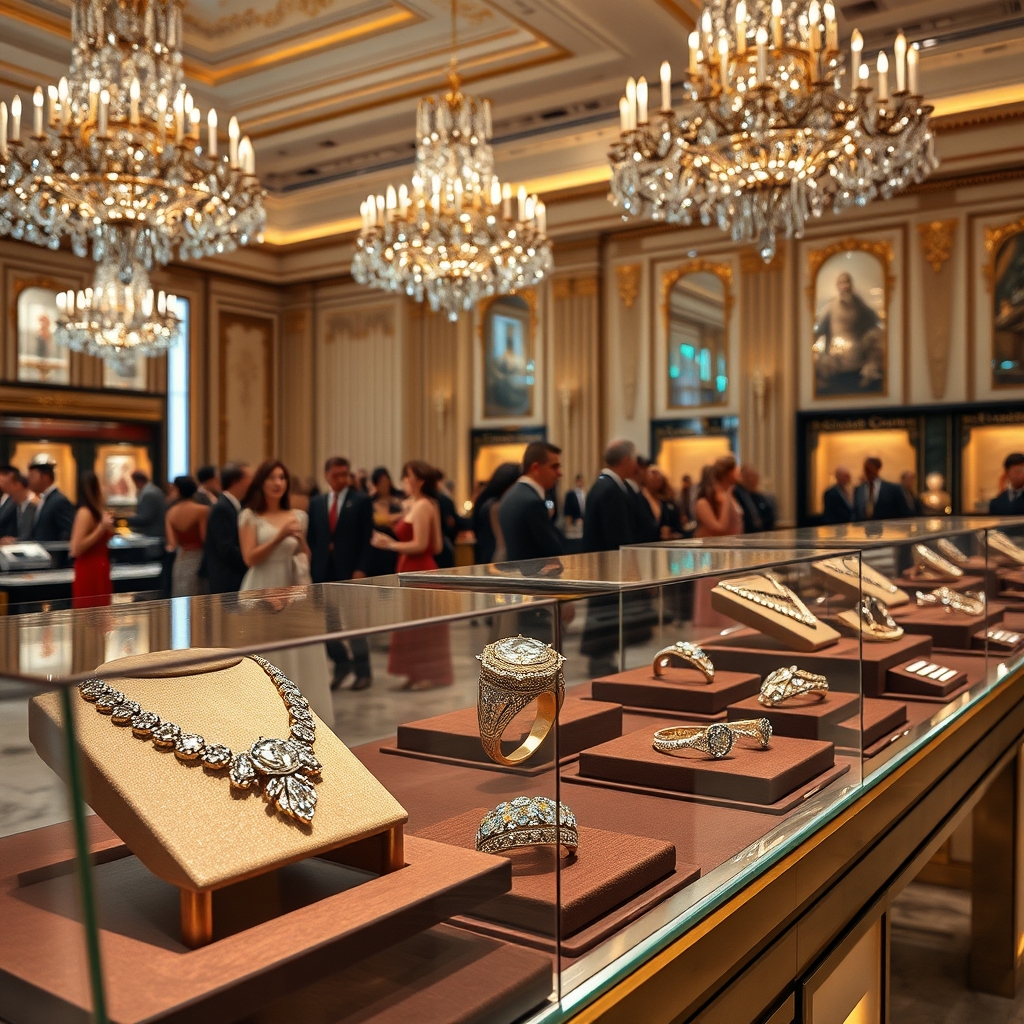
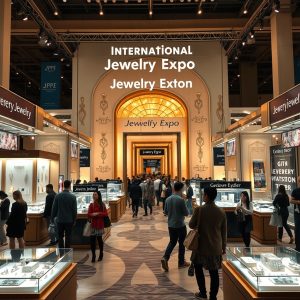
The allure of fine jewelry has captivated humanity for centuries, transcending cultures, eras, and economic shifts. Today, the world’s most prestigious jewelry exhibitions serve as both a celebration of craftsmanship and a barometer of evolving trends in luxury. These events, from the International Jewelry Expo to the High Jewelry Exhibition, are not merely trade shows—they are immersive experiences that showcase the pinnacle of artistry, innovation, and heritage in the jewelry industry.
The Convergence of Tradition and Innovation
At the heart of these exhibitions lies a delicate balance between tradition and modernity. The Antique Jewelry Salon and Vintage Jewelry Fair, for instance, transport visitors to bygone eras, where intricate designs from the Victorian, Art Deco, and Edwardian periods take center stage. These pieces, often one-of-a-kind, tell stories of craftsmanship that has stood the test of time. Collectors and enthusiasts flock to these salons not just for the beauty of the jewelry but for the history embedded in each gemstone and metal.
Conversely, the Contemporary Jewelry Fair and Avant Garde Jewelry Exhibit push the boundaries of what jewelry can be. Here, designers experiment with unconventional materials, bold geometries, and sustainable practices. The Sustainable Jewelry Pavilion, in particular, has gained prominence as the industry grapples with its environmental footprint. Exhibitors in this space highlight ethically sourced gemstones, recycled metals, and zero-waste production methods, proving that luxury and responsibility can coexist.
A Platform for Emerging Talent and Master Craftsmen
Jewelry exhibitions are not solely the domain of established brands. They also serve as launchpads for new talent. The Emerging Designer Gallery and Bespoke Jewelry Salon provide a stage for rising stars to showcase their creativity and technical prowess. These platforms are invaluable for designers seeking to make their mark in an industry dominated by legacy names. Visitors to these galleries are often rewarded with fresh perspectives, whether it’s a reinterpretation of classic motifs or a daring new aesthetic that challenges conventional norms.
At the other end of the spectrum, the Master Goldsmith Showcase pays homage to the artisans whose skills have been honed over decades. These craftsmen and women are the guardians of techniques passed down through generations, from hand-engraving to filigree work. Their presence at exhibitions like the Fine Jewelry Pavilion is a reminder that behind every exquisite piece of jewelry lies hours of meticulous labor and an unwavering commitment to perfection.
The Global Stage: Where Cultures and Trends Collide
The Global Gem Show and Diamond Heritage Expo exemplify the international nature of the jewelry industry. These events attract exhibitors and buyers from every corner of the globe, creating a melting pot of styles, techniques, and cultural influences. A necklace designed in Paris might feature sapphires mined in Sri Lanka, set in gold sourced from Africa, and sold to a collector in Dubai. This interconnectedness is what makes these exhibitions so dynamic—they are not just about the jewelry but about the stories, people, and traditions behind each piece.
One of the most fascinating aspects of these global exhibitions is the way they reflect broader societal trends. For example, the rise of the Statement Jewelry Exhibition mirrors the growing demand for bold, expressive pieces that go beyond mere adornment. These designs often carry deeper meanings, whether it’s a celebration of individuality, a political statement, or a nod to cultural heritage. Similarly, the Pearl Heritage Expo has seen a resurgence in popularity as consumers seek out timeless, versatile pieces that can be passed down through generations.
The Future of Jewelry Exhibitions
As the jewelry industry continues to evolve, so too do the exhibitions that define it. The integration of technology is one of the most exciting developments. Virtual reality experiences, augmented reality previews, and digital catalogs are becoming increasingly common, allowing attendees to explore collections in new and immersive ways. The Modernist Jewelry Gallery, for instance, has embraced these innovations to create interactive displays that engage visitors on a deeper level.
Sustainability will also play a pivotal role in shaping the future of these events. The Sustainable Jewelry Pavilion is just the beginning. As consumers become more conscious of their environmental impact, exhibitions will need to adapt by prioritizing eco-friendly practices, from the materials used in displays to the carbon footprint of the events themselves. This shift is not just a trend—it’s a fundamental change in how the industry operates.
Beyond the glittering displays and high-profile launches, these exhibitions are a testament to the enduring appeal of jewelry as an art form. They remind us that jewelry is more than just an accessory; it is a reflection of human creativity, cultural identity, and the relentless pursuit of beauty. Whether you are a collector, a designer, or simply an admirer of fine craftsmanship, these events offer a glimpse into a world where artistry and luxury converge in the most dazzling ways. The next time you attend one of these exhibitions, take a moment to appreciate not just the pieces on display but the stories they tell and the hands that brought them to life.