The Confluence of Craftsmanship and Conscience: Exploring the Rise of Sustainable and Ethical Jewelry at Global Exhibitions
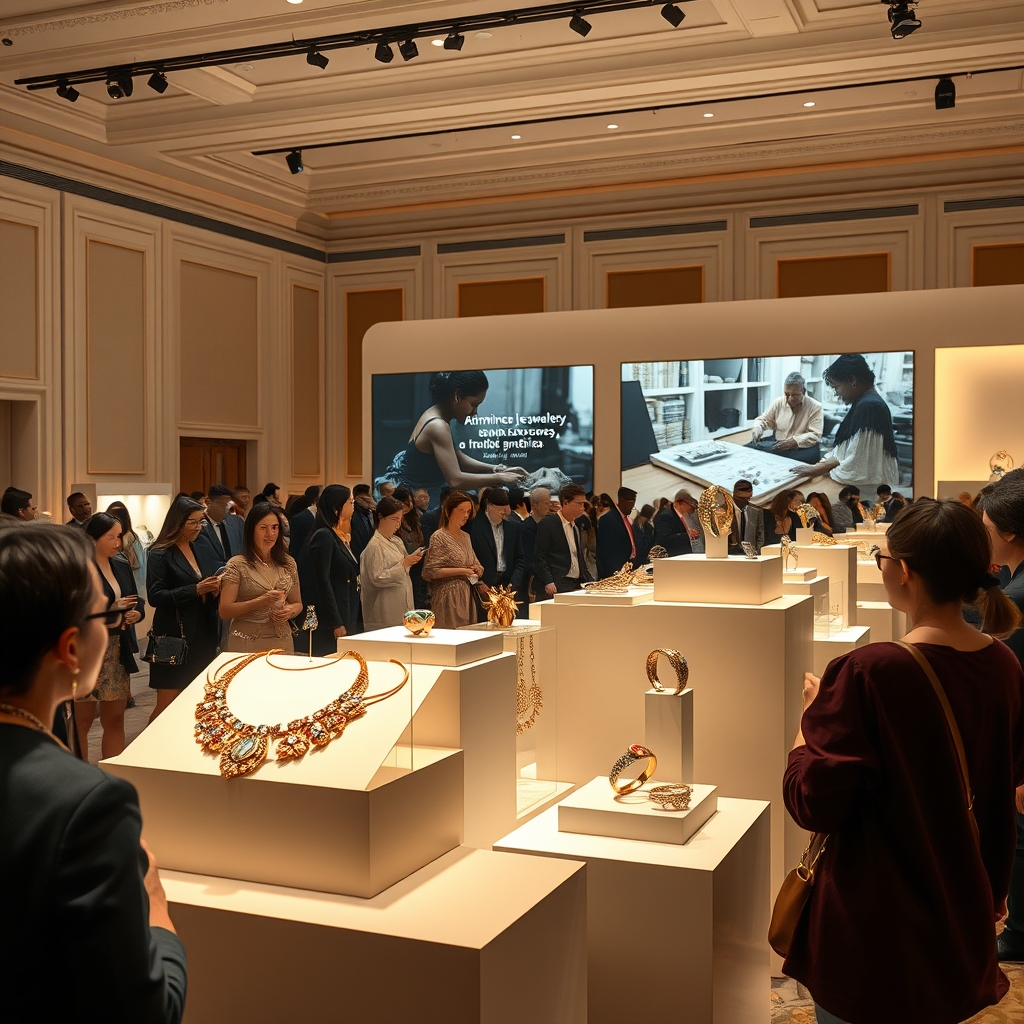
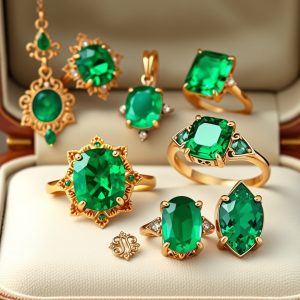
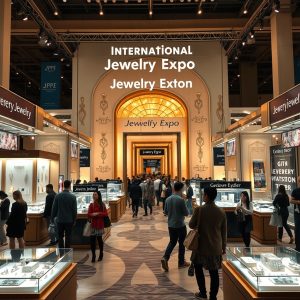
The world of high jewelry has long been synonymous with opulence, rarity, and unparalleled artistry. Yet, in recent years, a quiet revolution has been unfolding within the gilded halls of the International Jewelry Expo, the Luxury Gemstone Exhibition, and the Global Gem Show. No longer is the conversation solely about the brilliance of a diamond or the intricacy of a goldsmith’s work—it is increasingly about the story behind the piece, the hands that shaped it, and the impact it leaves on the world. This shift toward sustainability and ethics is not just a trend; it is a fundamental reimagining of what luxury means in the 21st century.
The Ethical Imperative in Modern Jewelry
The jewelry industry has faced scrutiny for decades over issues like conflict diamonds, exploitative labor practices, and environmental degradation. However, the tide is turning. Exhibitions such as the Sustainable Jewelry Pavilion and the Avant Garde Jewelry Exhibit are now dedicated spaces where ethical sourcing, fair labor, and eco-conscious design take center stage. These pavilions are not mere afterthoughts; they are vibrant hubs of innovation, where designers and jewelers showcase pieces that are as kind to the planet as they are breathtaking to behold.
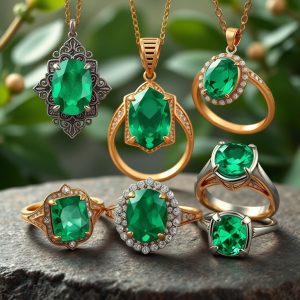
One of the most compelling aspects of this movement is the transparency it demands. Visitors to these exhibitions can trace the journey of a gemstone from mine to market, ensuring that every facet of its creation aligns with ethical standards. For instance, the Diamond Heritage Expo now features pavilions where lab-grown diamonds—chemically identical to their mined counterparts but far less environmentally taxing—are celebrated for their brilliance and sustainability. Similarly, recycled metals, upcycled materials, and even innovative alternatives like ocean-plastic-derived resins are making their way into collections, proving that luxury and responsibility are not mutually exclusive.
The Artisan’s Role in the Ethical Revolution
At the heart of this transformation is the artisan. The Artisan Jewelry Showcase and the Master Goldsmith Showcase have become platforms where traditional craftsmanship intersects with modern values. These spaces highlight the work of jewelers who prioritize ethical practices without compromising on artistry. For example, a goldsmith might use Fairmined gold, which ensures that miners receive fair wages and work in safe conditions, while still creating pieces that rival the finest in the High Jewelry Exhibition.
Emerging designers, in particular, are driving this change. The Emerging Designer Gallery at the Contemporary Jewelry Fair is a testament to how young talent is redefining the industry. These designers are not just creating jewelry; they are crafting narratives. A necklace might tell the story of a community uplifted by ethical mining, or a ring could symbolize the preservation of a craft passed down through generations. Their work challenges the notion that sustainability is a compromise—it is, instead, an enhancement of beauty and meaning.
The Intersection of Innovation and Tradition
What makes the current landscape of jewelry exhibitions so exciting is the way it marries innovation with tradition. The Modernist Jewelry Gallery and the Bespoke Jewelry Salon are spaces where cutting-edge technology meets time-honored techniques. 3D printing, for instance, allows designers to create intricate, custom pieces with minimal waste, while traditional hand-engraving techniques add a layer of soul that machines cannot replicate. This blend of old and new is not just a novelty; it is a blueprint for the future of the industry.
Take, for example, the Vintage Jewelry Fair. While it might seem like a celebration of the past, it is also a lesson in sustainability. Vintage and antique pieces are, by their very nature, sustainable—they require no new mining, no additional resources, and no further environmental impact. Exhibitions like these remind us that the most ethical jewelry is often the piece that already exists, waiting to be rediscovered and cherished anew.
The Consumer’s Evolving Mindset
The rise of ethical and sustainable jewelry is not just a response to industry pressures; it is a reflection of changing consumer values. Today’s buyers are more informed and more conscientious than ever before. They seek out brands and designers who align with their values, and they are willing to invest in pieces that carry a deeper significance. This shift is evident in the growing popularity of exhibitions like the Sustainable Jewelry Pavilion, where visitors are as eager to learn about a piece’s ethical credentials as they are to admire its craftsmanship.
Luxury, in this context, is no longer defined solely by price or rarity. It is defined by integrity. A piece of jewelry that tells a story of ethical sourcing, fair labor, and environmental stewardship is, in many ways, more valuable than one that does not. This is not to say that traditional luxury is obsolete—far from it. Rather, it is evolving to meet the demands of a new era, where beauty and responsibility go hand in hand.
The Future of Jewelry Exhibitions
As the jewelry industry continues to evolve, so too will the exhibitions that showcase it. The Global Gem Show and the Luxury Watch and Jewelry Show are already expanding their horizons to include more sustainable and ethical offerings. The Statement Jewelry Exhibition, once a space for bold, avant-garde designs, now features pieces that make a statement not just through their aesthetics but through their values. Even the Pearl Heritage Expo is embracing sustainability, with exhibitors highlighting pearls farmed in ways that protect marine ecosystems.
The future of jewelry exhibitions lies in their ability to adapt and innovate. They must continue to celebrate the artistry and craftsmanship that have defined the industry for centuries while also embracing the values that will shape its future. This means more spaces dedicated to ethical sourcing, more platforms for emerging designers, and more opportunities for consumers to engage with the stories behind their jewelry. It means redefining luxury not as something exclusive and unattainable, but as something meaningful, responsible, and inclusive.
The next time you step into the dazzling world of a jewelry exhibition, take a moment to look beyond the sparkle. Consider the hands that shaped each piece, the journey it took to reach you, and the impact it leaves behind. In a world where every choice we make has consequences, the true luxury of jewelry lies not just in its beauty, but in the values it represents. The exhibitions of today are not just showcasing jewelry—they are shaping the future of an industry, one ethical, sustainable, and breathtakingly beautiful piece at a time.