
The Silent Guardians of Your Jewelry Box: Expert Techniques for Preserving Green Gemstones and Delicate Pieces
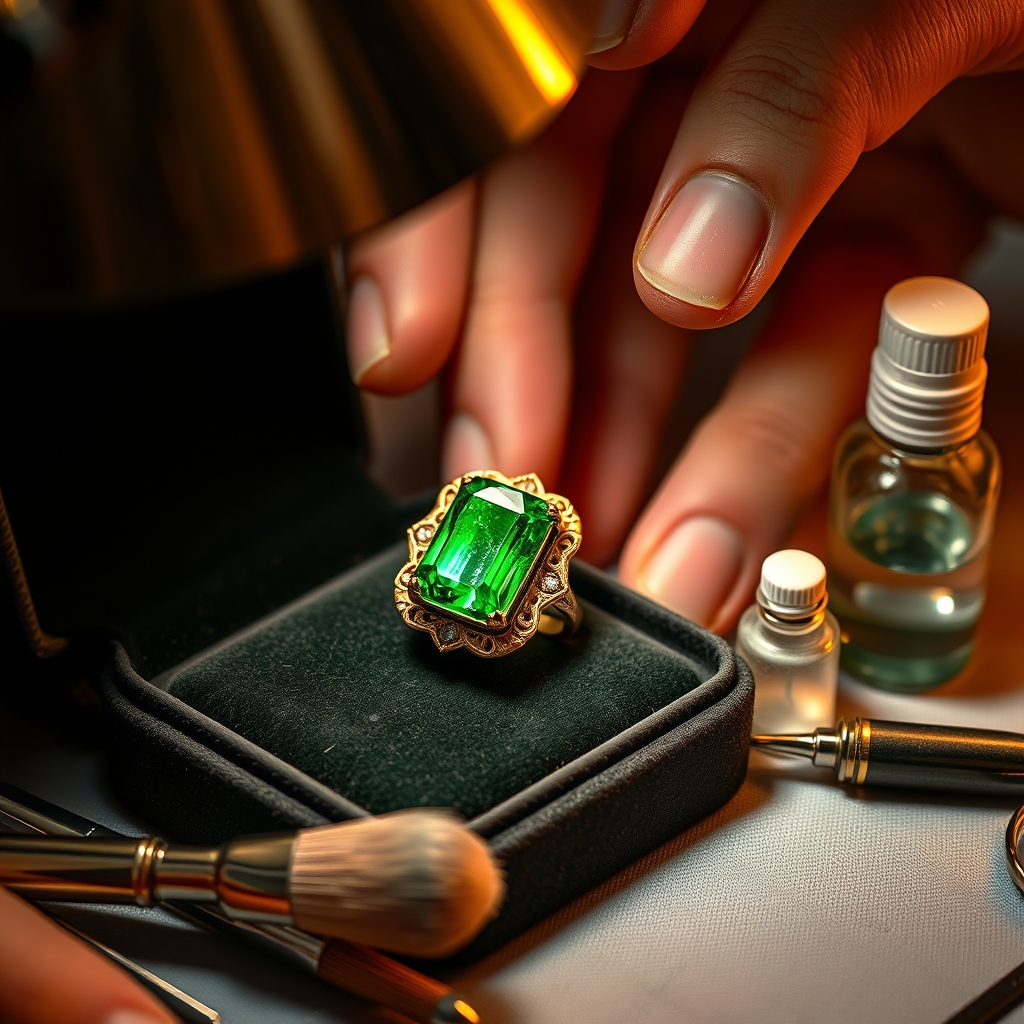
Green gemstones carry a quiet elegance, their deep hues whispering stories of nature’s artistry. Yet, their beauty is as fragile as it is captivating. Whether it’s the velvety richness of an emerald, the vibrant glow of a green tourmaline, or the subtle sparkle of peridot, these stones demand more than admiration—they require care. The difference between a gemstone that dazzles for decades and one that fades into dullness often lies in the small, intentional acts of maintenance and repair. Understanding how to preserve their brilliance is not just about aesthetics; it’s about honoring the craftsmanship and history they represent.
The Art of Authentic Gem Identification
Before diving into care and repair, the first step is ensuring the authenticity of your green gemstones. Synthetic gems, while often beautiful, lack the rarity and value of their natural counterparts. Detecting the real from the imitation requires a keen eye and sometimes, professional tools. A jeweler’s loupe can reveal inclusions unique to natural stones, while ultraviolet light tests may expose synthetic treatments. For instance, natural tsavorite garnet often contains tiny mineral inclusions, whereas lab-created versions appear flawless under magnification. If you’re uncertain, consulting a certified gemologist can provide peace of mind and protect your investment.
Cleaning Green Gemstones: A Delicate Balance
Cleaning green gemstones is not a one-size-fits-all task. Harsh chemicals or abrasive tools can strip away their luster or even cause irreversible damage. For emeralds, which are often treated with oils to enhance clarity, ultrasonic cleaners are a risky choice—they can remove the oil, leaving the stone looking lackluster. Instead, a soft brush dipped in lukewarm, soapy water is ideal for gently lifting dirt from crevices. Green tourmaline and peridot, while more durable, still benefit from gentle care. Avoid exposing them to prolonged heat or sudden temperature changes, as these can cause fractures. After cleaning, pat them dry with a microfiber cloth to prevent water spots and restore their natural shine.
Repairing the Unseen: Fixing Loose Settings and Broken Clasps
A loose stone or a broken clasp can turn a beloved piece of jewelry into a source of anxiety. Addressing these issues promptly can prevent further damage and loss. For loose settings, a jeweler can tighten prongs or re-secure stones with precision, ensuring they remain snug without compromising the gem’s integrity. When it comes to clasps, the repair process depends on the type of damage. A simple soldering job can fix a broken lobster clasp, while a worn-out spring mechanism may require a full replacement. For delicate chains, untangling knots can feel like a Herculean task, but patience is key. A drop of lubricant, like olive oil or a specialized jewelry solution, can help slide the links apart without causing stress to the metal.
Polishing and Restoring: Breathing New Life into Worn Pieces
Over time, even the most cherished jewelry can lose its sparkle. Scratches on rings, cloudy crystals, or dull metal can make a piece look tired, but restoration is often possible. For emerald rings, professional polishing can remove surface scratches while preserving the stone’s natural inclusions. Antique jewelry, with its intricate designs, may require specialized techniques to avoid damaging delicate filigree or patina. When polishing, always use a non-abrasive cloth and avoid over-polishing, which can thin the metal and weaken the structure. For cloudy crystals, a gentle soak in a baking soda and water solution can help restore clarity, but be sure to rinse thoroughly to avoid residue.
Preventing Discoloration and Damage: Proactive Care
Prevention is the unsung hero of jewelry maintenance. Green gemstones, in particular, are susceptible to discoloration from exposure to chemicals, sunlight, or even body oils. Storing peridot safely means keeping it away from direct sunlight, which can cause it to fade over time. Similarly, emeralds should be kept in a soft pouch or lined box to prevent scratches from other jewelry. For wire-wrapped pieces, strengthening the wraps with a dab of clear nail polish can provide extra security, but be sure to reapply it periodically as it wears off. When wearing rings, avoid exposing them to harsh chemicals like chlorine or household cleaners, which can erode metal and dull gemstones.
Choosing Durable Prongs and Securing Loose Stones
The prongs holding your gemstones in place are the silent guardians of your jewelry. Over time, they can wear down or bend, putting your stones at risk. Choosing durable prongs, such as those made from platinum or high-quality gold, can extend the life of your piece. If you notice a stone wobbling, don’t wait for it to fall out—take it to a jeweler immediately. For a temporary fix, you can use a small amount of clear nail polish to secure the stone, but this is not a long-term solution. Regular inspections, ideally every six months, can help catch potential issues before they become costly repairs.
Jewelry is more than an accessory; it’s a testament to moments, memories, and the artistry of those who crafted it. The care you invest in your pieces today ensures they remain as vibrant and meaningful tomorrow as they are today. Whether it’s the quiet elegance of a green tourmaline or the timeless allure of an emerald, these stones deserve to be treated with the reverence they inspire. By mastering the delicate balance of cleaning, repairing, and preventing damage, you become the steward of their enduring beauty, preserving their sparkle for generations to come.