The Gilded Spectrum: How International Jewelry Expos Are Redefining Opulence Through Diversity and Inclusion
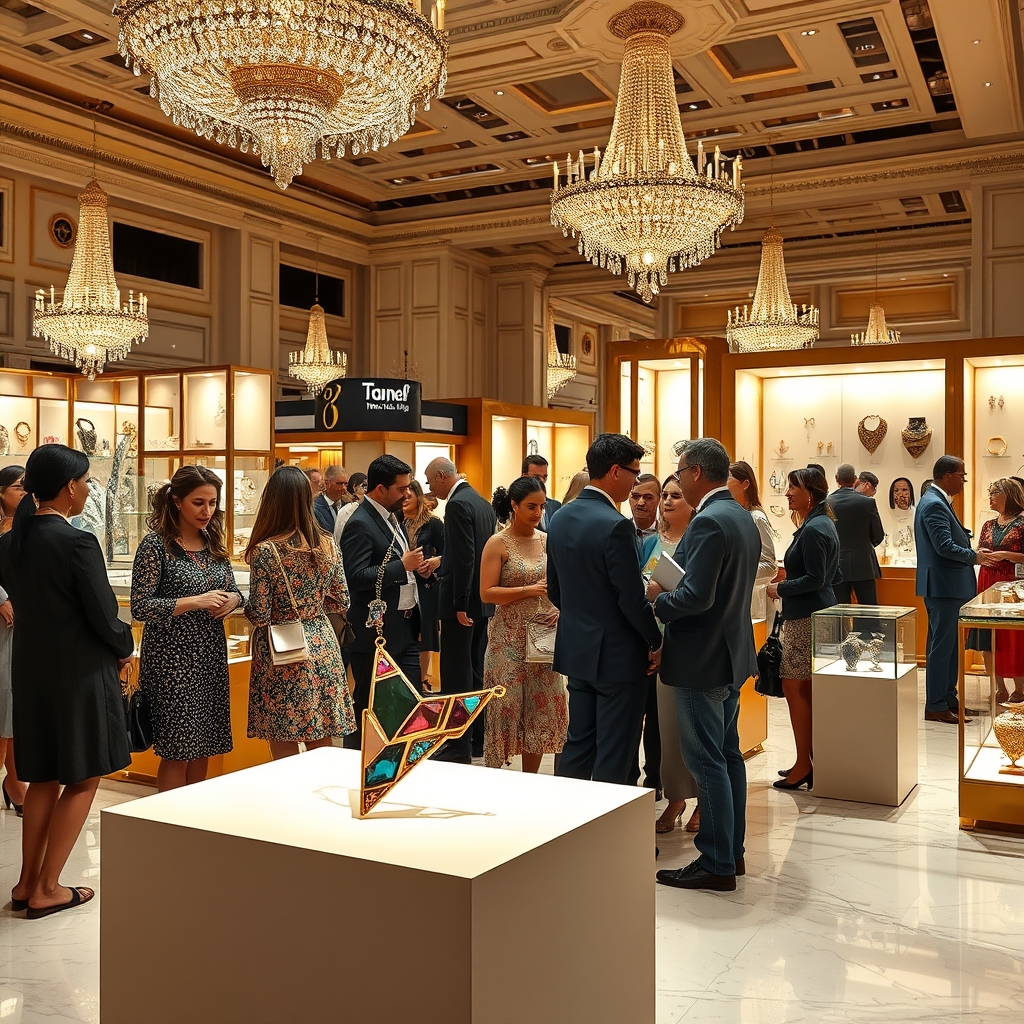
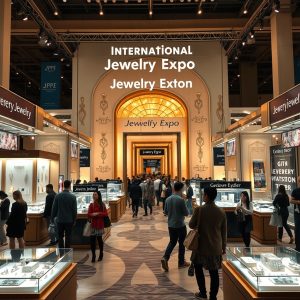
The world of high jewelry has long been synonymous with exclusivity, where the rarest gemstones and the most intricate craftsmanship have traditionally catered to an elite few. Yet, in recent years, a transformative shift has begun to unfold within the hallowed halls of the International Jewelry Expo and its counterparts. These once-guarded bastions of luxury are now embracing a broader, more inclusive vision—one that celebrates diversity in design, culture, and even the very definition of what constitutes fine jewelry. This evolution is not merely a trend but a reflection of a global society that increasingly values representation, accessibility, and the stories behind the sparkle.
The Rise of the Artisan: A New Era of Storytelling
At the heart of this transformation is the Artisan Jewelry Showcase, a segment of global exhibitions that has grown from a niche curiosity to a cornerstone of the industry. Here, independent designers and small-scale goldsmiths are no longer relegated to the sidelines but are given center stage to present their work alongside established maisons. The shift is profound: where once the Fine Jewelry Pavilion was dominated by heritage brands, it now gleams with the creativity of emerging talents who infuse their pieces with personal narratives, cultural heritage, and unconventional materials.
Take, for example, the work of a designer from Nairobi who crafts statement necklaces using recycled brass and locally sourced beads, each piece a testament to Kenya’s vibrant art scene. Or the Tokyo-based goldsmith whose minimalist rings draw inspiration from the delicate balance of nature and urban life. These artisans are not just selling jewelry; they are inviting wearers into a story, one that challenges the notion that luxury must be uniform or detached from the world’s rich tapestry of cultures.
The Avant-Garde Meets Tradition: A Dialogue of Eras
The Avant-Garde Jewelry Exhibit has become a playground for this dialogue between the old and the new. Designers are increasingly blurring the lines between contemporary aesthetics and time-honored techniques, creating pieces that feel both futuristic and deeply rooted in history. At the Antique Jewelry Salon, for instance, one might find a Victorian-era brooch reimagined with modernist geometric settings, or a 1920s Art Deco ring paired with a sleek, contemporary band. This fusion is not about erasing the past but about recontextualizing it, making it relevant for a new generation of collectors who crave both authenticity and innovation.
The Vintage Jewelry Fair has also evolved to reflect this trend. No longer just a treasure trove for historians and collectors, it now attracts a younger audience eager to explore the craftsmanship of bygone eras. The fair’s curators have responded by hosting workshops where attendees can learn about the restoration of antique pieces or the ethical sourcing of vintage gemstones. It’s a masterclass in how the industry is bridging generational gaps, ensuring that the allure of the past remains alive in the present.
The Sustainable Imperative: Luxury with a Conscience
Perhaps the most significant shift in the world of jewelry exhibitions is the growing emphasis on sustainability. The Sustainable Jewelry Pavilion has become a staple at events like the Global Gem Show, where designers showcase pieces made from ethically sourced materials, recycled metals, and lab-grown gemstones. This movement is not just about reducing environmental impact; it’s about redefining what luxury means in the 21st century. Consumers are no longer satisfied with mere opulence; they want to know that their purchases align with their values, whether that’s supporting fair labor practices or minimizing ecological harm.
Brands are responding with transparency and innovation. Some are partnering with mining communities to ensure fair wages and safe working conditions, while others are experimenting with alternative materials like ocean-plastic pearls or carbon-negative diamonds. The Luxury Gemstone Exhibition now features panels on circular economy models, where jewelry is designed to be disassembled and repurposed, ensuring that every gemstone and metal has a lifecycle beyond a single piece. This approach is not only environmentally responsible but also adds a layer of depth to the jewelry, making each piece a part of a larger, ongoing story.
The Future of Opulence: Inclusivity as the Ultimate Luxury
As the High Jewelry Exhibition continues to evolve, one thing is clear: the future of luxury lies in its ability to be inclusive. This inclusivity manifests in multiple ways—through the democratization of design, the celebration of diverse cultural influences, and the embrace of sustainable practices. The Bespoke Jewelry Salon, for instance, is no longer the exclusive domain of the ultra-wealthy. Many designers now offer customization services that allow clients to co-create pieces that reflect their individuality, whether that’s incorporating a family heirloom or designing a ring that symbolizes a personal milestone.
The Emerging Designer Gallery is another testament to this shift. These spaces provide a platform for underrepresented voices, from Indigenous artisans to LGBTQ+ designers, ensuring that the industry’s future is as diverse as the world it serves. The Statement Jewelry Exhibition has also taken on new meaning, with designers using their work to make bold statements about social justice, gender equality, and environmental activism. A necklace might feature a pendant shaped like a raised fist, or a bracelet could be adorned with charms representing the United Nations’ Sustainable Development Goals. In this way, jewelry becomes more than adornment; it becomes a form of self-expression and a tool for change.
The International Jewelry Expo and its counterparts are no longer just about showcasing the finest gems and metals. They are about celebrating the people, stories, and ideas that make jewelry meaningful. Whether it’s the Pearl Heritage Expo highlighting the centuries-old traditions of pearl diving or the Modernist Jewelry Gallery pushing the boundaries of what jewelry can be, these exhibitions are redefining opulence for a new era. The sparkle of a diamond may be eternal, but the way we perceive and value it is constantly evolving, shaped by the hands of those who craft it and the eyes of those who wear it. In this gilded spectrum, luxury is not just about what you own but about the connections you forge and the stories you carry with you.