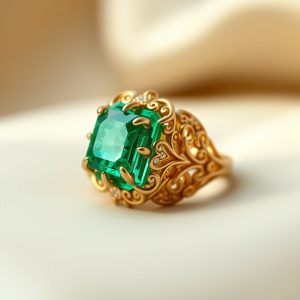
Green Gemstone Jewelry: The Essential Guide to Authentic Identification, Repairs, and Long-Lasting Brilliance
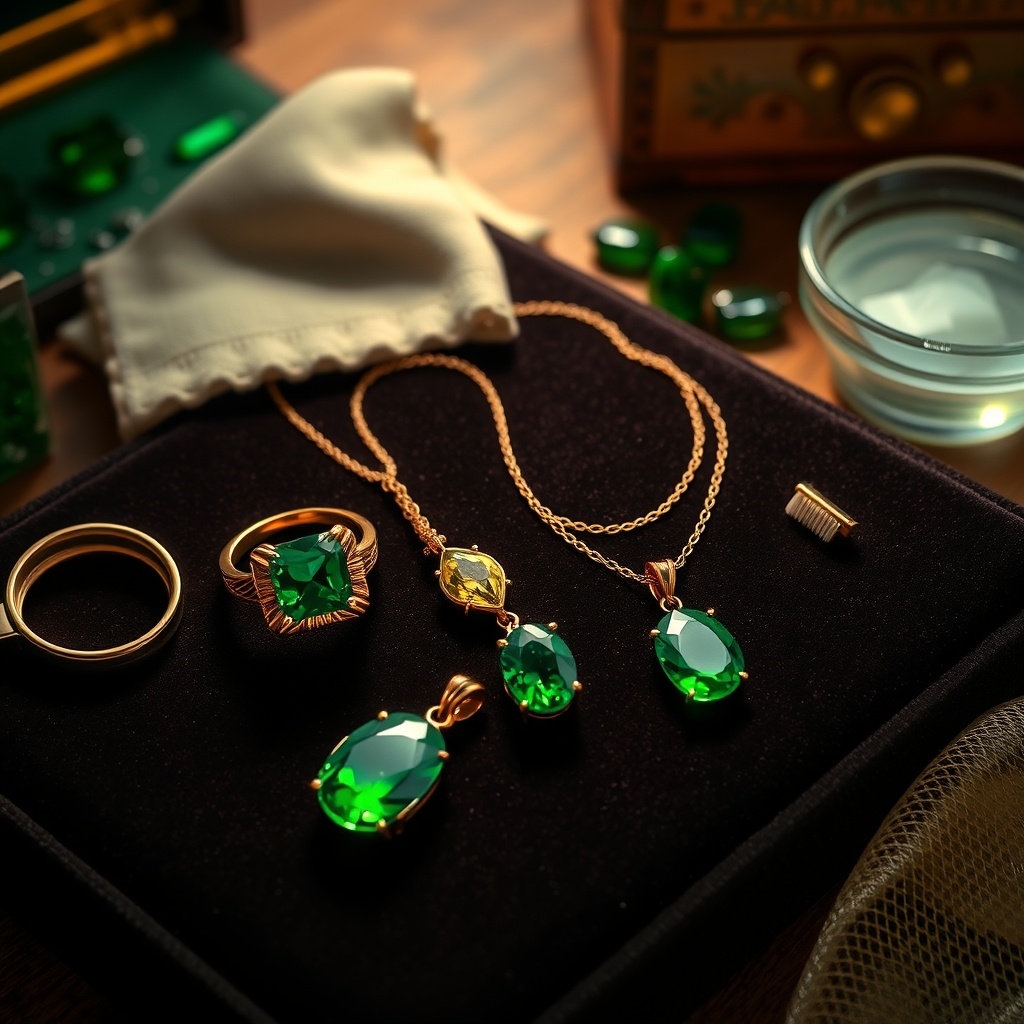
Green gemstones, with their mesmerizing hues and timeless allure, have captivated jewelry lovers for centuries. From the deep, velvety green of emeralds to the vibrant, electric tones of tsavorite and the earthy elegance of peridot, these gems bring a touch of nature’s beauty to any collection. However, their unique characteristics also demand specialized care, from authentic identification to delicate repairs and long-term maintenance. Whether you’re a seasoned collector or a newcomer to the world of green gemstone jewelry, understanding how to preserve their brilliance and integrity is essential.
The Art of Authentic Gem Identification
Before diving into repairs or cleaning, the first step is ensuring your gemstone is authentic. The market is flooded with synthetic and treated gems that can mimic the appearance of natural stones, making identification a critical skill. One of the most reliable methods is examining the gem under magnification. Natural emeralds, for example, often contain inclusions—tiny imperfections that resemble garden-like patterns—while synthetic versions may appear too flawless or exhibit telltale signs like gas bubbles or color zoning.
Another key tool is the refractometer, which measures a gem’s refractive index. Natural tsavorite garnet, for instance, has a distinct refractive index that differs from its lab-created counterparts. Additionally, ultraviolet (UV) light can reveal fluorescence patterns unique to certain gems. For example, some natural emeralds emit a red fluorescence under UV light, while synthetic ones may not react at all. If you’re unsure, consulting a certified gemologist can provide peace of mind and prevent costly mistakes.
Cleaning Green Gemstones: Gentle Yet Effective Methods
Green gemstones vary in hardness and durability, which means cleaning methods must be tailored to each type. Softer stones like peridot (6.5–7 on the Mohs scale) and emeralds (7.5–8) require extra caution, as harsh chemicals or abrasive materials can cause scratches or damage. For most green gemstones, a soft-bristled toothbrush and lukewarm water with a mild dish soap solution are ideal. Gently scrub the gem and setting, then rinse thoroughly to remove any soap residue.
Avoid ultrasonic cleaners for emeralds and other porous stones, as the vibrations can exacerbate existing fractures or inclusions. Instead, opt for a steam cleaner or a soft cloth dampened with distilled water. For cloudy crystals or dull gemstones, a mixture of water and a few drops of ammonia (1:6 ratio) can restore their sparkle, but this should only be used sparingly and never on porous or treated stones. Always dry your jewelry with a lint-free cloth to prevent water spots or residue buildup.
Special Care for Delicate Settings and Chains
Loose settings and tangled chains are common issues that can lead to lost stones or damaged jewelry. For loose prongs or settings, a jeweler’s loupe can help you inspect the problem closely. If the prongs are merely bent, they can often be gently pressed back into place with needle-nose pliers. However, if the setting is worn or damaged, professional repair is the safest option to avoid losing the gem.
Untangling delicate chains requires patience and the right tools. Start by laying the chain on a flat surface and using two straight pins to carefully work through the knots. A drop of baby oil or mineral oil can lubricate the metal, making it easier to slide the links apart. For stubborn tangles, avoid pulling forcefully, as this can weaken or break the chain. Instead, work methodically, focusing on one small section at a time.
Repairing and Restoring: From Broken Clasps to Scratched Rings
Broken clasps, scratched rings, and loose earring posts are frustrating but often repairable with the right techniques. For broken clasps, soldering is the most durable solution, but it requires a jeweler’s torch and expertise. If you’re attempting a DIY fix, consider using a jewelry repair kit with epoxy designed for metal. However, keep in mind that temporary fixes may not hold long-term, and professional repair is recommended for valuable pieces.
Scratches on rings or metal settings can be polished out using a jewelry polishing cloth or a mild abrasive like baking soda mixed with water. For deeper scratches, a jeweler can use a polishing wheel to restore the metal’s shine. When it comes to earring posts, a loose or broken post can often be re-soldered or replaced entirely. If the earring back is missing, consider using a screw-back or lever-back finding for added security.
Reviving Antique Jewelry and Wire-Wrapped Pieces
Antique jewelry often requires extra care due to its age and delicate craftsmanship. Before cleaning, inspect the piece for loose stones, weakened prongs, or tarnished metal. A soft brush and mild soap solution can remove dirt and grime, but avoid soaking the piece, as this can loosen adhesives or damage fragile settings. For tarnished silver or gold, a polishing cloth or a gentle silver dip can restore its luster, but be cautious with gemstones, as some chemicals can cause discoloration.
Wire-wrapped jewelry, while beautiful, can weaken over time. To strengthen wire wraps, use flat-nose pliers to gently tighten any loose coils. If the wire is frayed or broken, consider re-wrapping the piece with a fresh length of wire. For added durability, opt for half-hard or dead-soft wire, which is less likely to snap under pressure.
Preventing Discoloration and Maintaining Long-Term Brilliance
Green gemstones like peridot and tourmaline are sensitive to heat, light, and chemicals, which can cause discoloration or fading over time. To prevent this, store your jewelry in a cool, dark place, away from direct sunlight or heat sources. A fabric-lined jewelry box or a soft pouch can protect your pieces from scratches and environmental damage. For peridot, which is particularly sensitive to acids, avoid wearing it while cleaning or swimming, as chlorine and other chemicals can erode the stone’s surface.
Regular maintenance is key to preserving your jewelry’s shine. After each wear, wipe your pieces with a soft cloth to remove oils, sweat, or residue. For rings that have become stuck, a mixture of soap and warm water can help loosen them, but avoid forcing the ring off, as this can cause injury or damage. If the ring remains stuck, seek professional assistance to avoid harming the stone or setting.
Caring for green gemstone jewelry is a blend of science and art, requiring both knowledge and patience. By understanding the unique needs of each gem, from identification to cleaning and repairs, you can ensure your pieces remain as vibrant and captivating as the day you acquired them. Whether it’s the deep green of an emerald or the bright sparkle of a peridot, these treasures deserve the attention and care that will keep them shining for generations to come.