The Jeweler’s Guide to Reviving and Protecting Your Treasured Green Gemstones
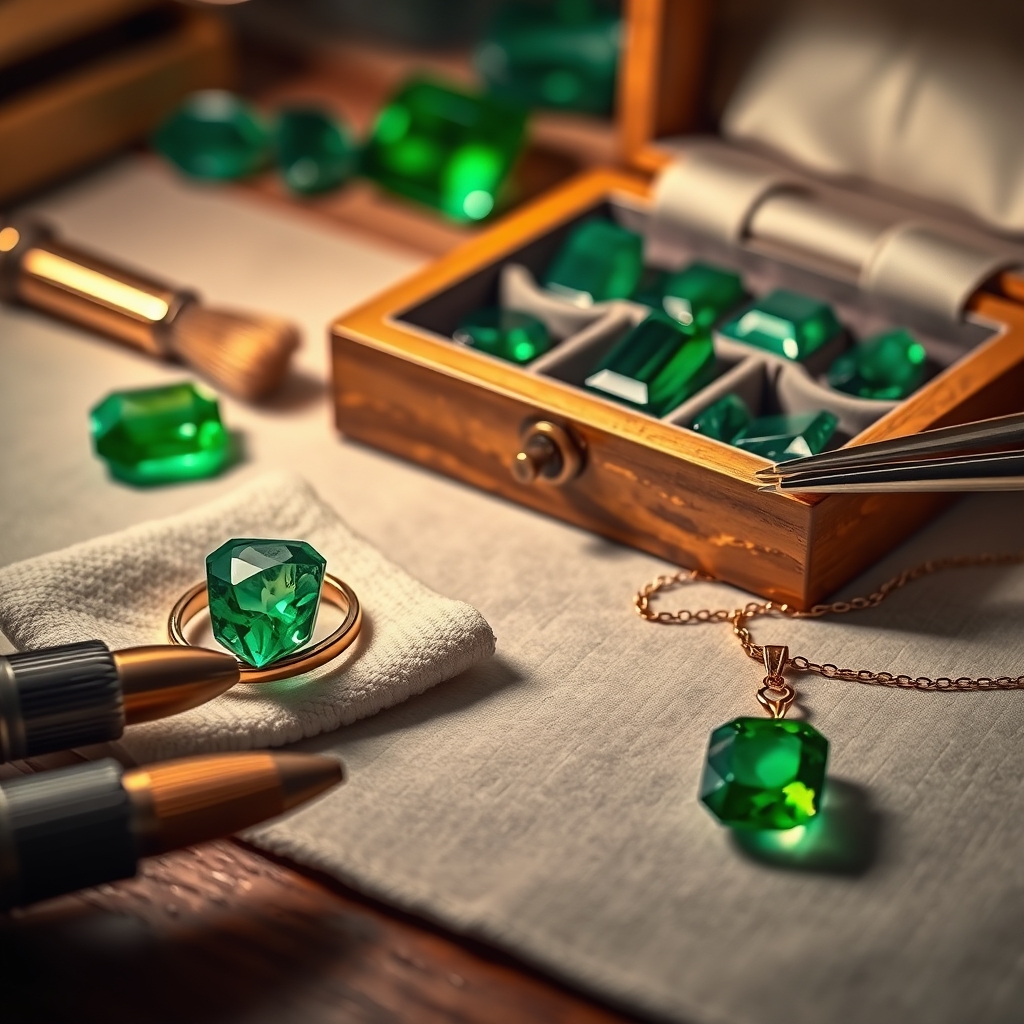
Green gemstones, from the deep allure of emeralds to the vibrant charm of peridot and tsavorite, carry a timeless elegance that demands careful attention. Whether you’re a collector, a jewelry enthusiast, or someone who inherited a cherished piece, knowing how to properly care for, repair, and authenticate these gems ensures they remain as stunning as the day they were acquired. This guide delves into the essential practices for maintaining the brilliance and integrity of your green gemstone jewelry.
The Art of Authentic Gem Identification
Before diving into repairs or cleaning, confirming the authenticity of your green gemstone is paramount. Synthetic gems and imitations can often pass as the real deal, but subtle differences reveal their true nature. Start by examining the gem under natural light—authentic stones like emeralds or tsavorite often display unique inclusions, known as “jardin,” which are natural imperfections that synthetic versions lack. A jeweler’s loupe or magnifying glass can help you spot these telltale signs.
For a more precise assessment, consider professional gemological testing. Tools like a refractometer, which measures the refractive index of the stone, or a spectroscope, which analyzes light absorption, can provide definitive answers. If you’re unsure, consulting a certified gemologist ensures you’re not mistaking a lab-created stone for a natural treasure. Remember, the value of a gem isn’t just in its appearance but in its authenticity and origin.
Cleaning Green Gemstones: A Delicate Balance
Green gemstones, particularly softer varieties like emeralds and peridot, require gentle cleaning to avoid damage. Harsh chemicals, ultrasonic cleaners, or even abrasive cloths can strip away oils, scratch surfaces, or weaken settings. Instead, opt for a mild solution of warm water and a drop of dish soap. Use a soft-bristled toothbrush to gently scrub around the gem and setting, paying extra attention to crevices where dirt accumulates.
For cloudy crystals or gems that have lost their luster, soaking them in a mixture of water and ammonia (one part ammonia to six parts water) for a few minutes can restore their sparkle. However, never use this method on porous stones like opals or turquoise, as it can cause irreversible damage. After cleaning, rinse the gem thoroughly and pat it dry with a lint-free cloth. For emeralds, which are often treated with oils to enhance clarity, avoid steam cleaning or excessive heat, as these can dry out the stone and diminish its brilliance.
Polishing Emerald Rings and Other Green Gems
Over time, even the most well-cared-for gemstones can develop scratches or lose their polish. Polishing an emerald ring or other green gemstone requires a delicate touch. Start by using a jeweler’s polishing cloth, which is impregnated with a fine abrasive that can buff out minor scratches. For deeper scratches, a professional jeweler may need to re-polish the stone using specialized tools and compounds.
If your gem is set in a metal like gold or platinum, take care not to scratch the band while polishing the stone. Use separate cloths for the gem and the metal to avoid cross-contamination. For antique jewelry, consult a professional before attempting any polishing, as older pieces may have delicate finishes or patinas that should be preserved.
Fixing Loose Settings and Strengthening Prongs
A loose setting or a weakened prong can put your gemstone at risk of falling out, so addressing these issues promptly is crucial. If you notice a stone wobbling in its setting, take the piece to a jeweler immediately. They can tighten the prongs or re-tip them if they’ve worn down over time. For wire-wrapped pieces, inspect the wraps regularly for signs of loosening or corrosion. A jeweler can re-wrap the wire or reinforce it with additional solder to ensure the stone remains secure.
When choosing a setting for a green gemstone, durability is key. Bezel settings, which encase the gem in a metal rim, offer excellent protection for softer stones like peridot or emeralds. Prong settings, while classic, require regular checks to ensure the prongs haven’t worn thin. If you’re commissioning a custom piece, discuss the best setting options with your jeweler based on the gem’s hardness and your lifestyle.
Repairing Broken Clasps and Earring Posts
A broken clasp or earring post can render a piece of jewelry unusable, but many of these issues are easily fixable. For broken clasps, a jeweler can solder a new one onto the existing chain or replace the entire clasp if necessary. If the chain itself is damaged, they may be able to repair it by reattaching links or replacing a section. For delicate chains that have become tangled, patience is key. Lay the chain on a soft surface and use two straight pins to gently tease apart the knots, working from the outside in.
Earring posts that have bent or broken can often be replaced without damaging the gemstone. A jeweler can remove the old post and solder a new one in its place. For screw-back earrings, ensure the screw mechanism is functioning properly, as a loose screw can cause the earring to fall out. If the screw is stripped, a jeweler can replace it with a new one.
Storing Green Gemstones Safely
Proper storage is essential for preventing scratches, discoloration, and other damage to your green gemstone jewelry. Store each piece separately in a soft pouch or a lined jewelry box to avoid contact with other items. For peridot, which is sensitive to acids and heat, avoid storing it in plastic bags or containers that may off-gas. Instead, opt for a fabric-lined box or a compartmentalized jewelry organizer.
For emeralds and other oil-treated stones, consider storing them in a slightly humid environment to prevent the oils from drying out. A small dish of water placed near (but not in direct contact with) the jewelry can help maintain the necessary humidity. Avoid storing gemstones in direct sunlight, as prolonged exposure can cause fading or discoloration, particularly in more delicate stones like tsavorite or green tourmaline.
Restoring Antique Jewelry to Its Former Glory
Antique jewelry often carries historical significance and unique craftsmanship, but it may also show signs of wear. Restoring these pieces requires a balance between preserving their character and ensuring their longevity. Start by having the piece professionally cleaned and inspected. A jeweler can identify any structural issues, such as weakened prongs or cracks in the gemstone, and recommend the best course of action.
For pieces with missing stones or damaged settings, a jeweler can source period-appropriate materials to maintain the piece’s authenticity. If the gemstone itself is damaged, consider having it re-cut or replaced with a similar stone. However, always weigh the value of the original gem against the cost of restoration—sometimes, the imperfections are part of the piece’s charm.
Caring for green gemstone jewelry is a labor of love, one that rewards patience and attention to detail. By mastering the techniques of identification, cleaning, repair, and storage, you ensure that your treasured pieces retain their beauty and value for generations to come. Whether it’s a family heirloom or a modern masterpiece, each gemstone tells a story, and with the right care, that story will continue to shine brightly.