
Beyond the Sparkle: A Deep Dive into Green Gemstone Jewelry Maintenance and Authenticity
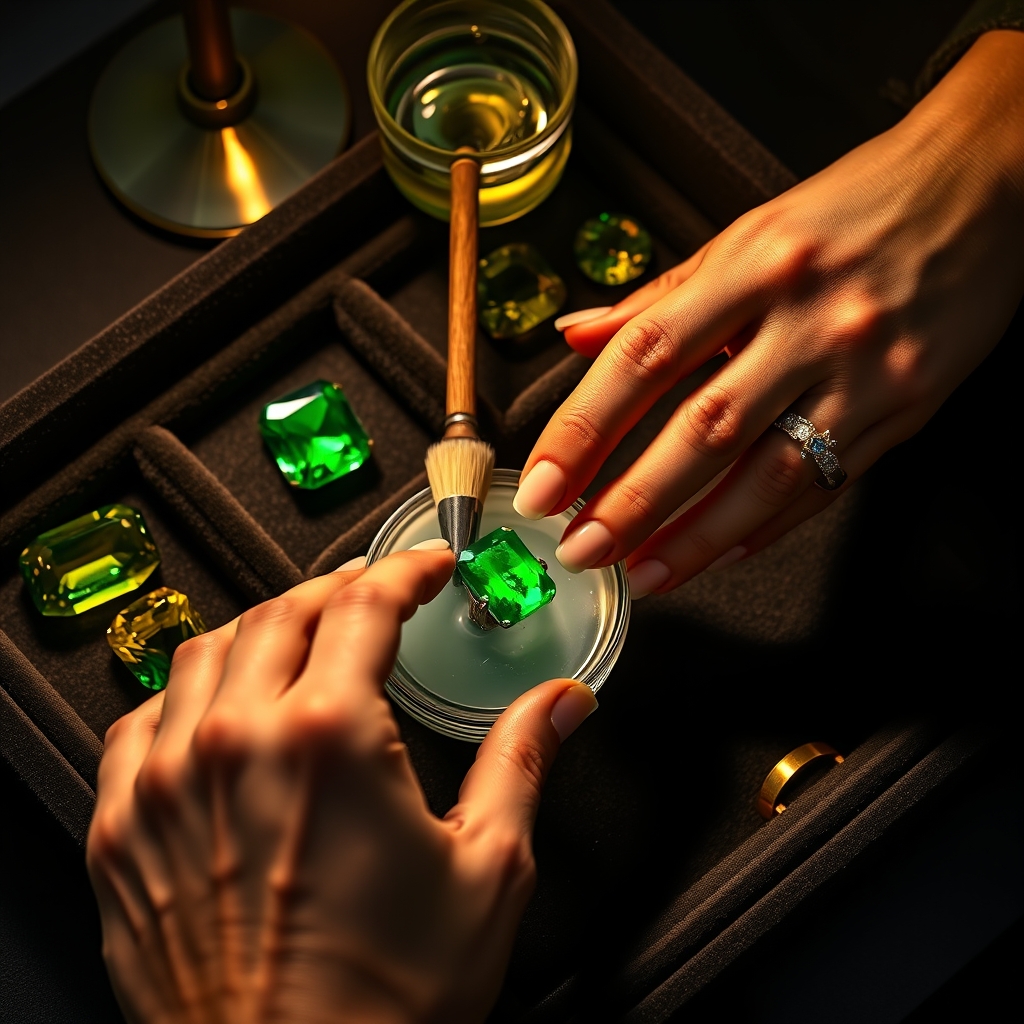
Green gemstones, with their mesmerizing hues and timeless allure, have captivated jewelry lovers for centuries. From the deep, velvety green of emeralds to the vibrant, electric tones of tsavorite and the earthy elegance of green tourmaline, these gems add a touch of nature’s beauty to any collection. However, owning such treasures comes with the responsibility of proper care, repair, and authentication. Whether you’re a seasoned collector or a newcomer to the world of green gemstones, understanding how to maintain their brilliance and ensure their authenticity is essential.
The Art of Authentic Gem Identification
Before diving into care and repair, it’s crucial to confirm the authenticity of your green gemstones. With the rise of synthetic and lab-created gems, distinguishing real stones from imitations can be challenging. One of the most reliable methods is to consult a certified gemologist who can perform tests such as refractive index measurements, spectroscopy, or even microscopic examinations to detect inclusions unique to natural stones. For instance, emeralds often contain jardin, a French term for the garden-like inclusions that are telltale signs of their natural origin.
At home, you can perform a few basic checks. Real tsavorite, for example, should exhibit strong brilliance and a high refractive index, making it sparkle even in low light. Synthetic gems, on the other hand, may appear too perfect, lacking the natural imperfections that give real stones their character. Additionally, using a loupe to inspect the gem’s surface can reveal clues—natural stones often have tiny scratches or irregularities, while synthetics may show signs of manufacturing, such as mold lines or bubbles.
Cleaning Green Gemstones: Gentle Yet Effective Methods
Green gemstones, like all precious stones, require regular cleaning to maintain their luster. However, their unique compositions mean they can be more delicate than diamonds or sapphires. For example, emeralds are often treated with oils or resins to enhance their clarity, and harsh cleaning methods can strip these treatments away, leaving the stone dull or even damaged.
Cleaning Emerald Rings and Other Green Gemstone Jewelry
Start by soaking the jewelry in a bowl of lukewarm water mixed with a few drops of mild dish soap. Avoid hot water, as extreme temperatures can cause thermal shock, leading to cracks or fractures. Use a soft-bristled toothbrush to gently scrub around the gemstone and setting, paying special attention to areas where dirt and oils accumulate. For stubborn grime, a solution of equal parts water and ammonia (for non-porous stones like green tourmaline) can be effective, but always rinse thoroughly afterward.
For porous stones like emeralds, avoid ultrasonic cleaners and steam cleaning, as these methods can cause irreparable damage. Instead, opt for a soft cloth dampened with water or a specialized jewelry cleaning solution designed for delicate gems. After cleaning, pat the jewelry dry with a microfiber cloth to prevent water spots and restore its shine.
Cleaning Cloudy Crystals and Restoring Their Clarity
Cloudy crystals, such as those found in vintage or antique jewelry, can often be revived with a bit of patience. Soak the piece in a solution of warm water and baking soda for a few hours, then gently brush away any residue. For particularly stubborn cloudiness, a mixture of lemon juice and salt can act as a mild abrasive, but use this sparingly to avoid scratching the surface. Always rinse the crystal thoroughly and dry it with a soft cloth to prevent further dulling.
Repairing and Maintaining Green Gemstone Jewelry
Even with the best care, jewelry can suffer wear and tear over time. Loose settings, broken clasps, and scratched surfaces are common issues, but many can be addressed with the right techniques and tools.
Fixing Loose Settings and Securing Loose Stones
A loose stone is not only a risk for loss but can also lead to further damage if left unaddressed. If you notice a gemstone wobbling in its setting, take the piece to a professional jeweler immediately. They can assess whether the prongs need tightening, reshaping, or replacing. For wire-wrapped jewelry, strengthening the wraps with a bit of jeweler’s epoxy can provide extra security, but be sure to use a product that dries clear and is safe for gemstones.
Repairing Broken Clasps and Earring Posts
Broken clasps and earring posts are frustrating but often repairable. For clasps, a jeweler can solder a new one in place or replace the entire mechanism. If you’re comfortable with DIY repairs, you can use a small amount of jeweler’s glue to reattach a loose post, but this is a temporary fix—professional soldering is always the best long-term solution. When working with delicate chains, untangling knots can be a challenge. Lay the chain on a flat surface and use two straight pins to gently tease the knots apart, starting from the outermost loops and working inward.
Fixing Ring Scratches and Restoring Antique Jewelry
Scratches on rings, especially those with intricate designs or engravings, can detract from their beauty. For minor scratches, a jeweler can polish the metal to restore its smooth finish. However, for antique jewelry, polishing may not be advisable, as it can remove patina—a desirable characteristic that adds to the piece’s historical value. In such cases, a jeweler can use specialized techniques to minimize scratches without compromising the integrity of the piece.
Restoring antique jewelry often requires a delicate touch. Cleaning should be done with the gentlest methods possible, and repairs should aim to preserve the original craftsmanship. For example, if a prong is damaged, a jeweler can recreate it to match the original design, ensuring the piece retains its authenticity and charm.
Storing Green Gemstones Safely to Prevent Damage
Proper storage is just as important as cleaning and repair when it comes to maintaining your green gemstone jewelry. Exposure to light, heat, and chemicals can cause discoloration, fading, or even structural damage over time. To protect your pieces, store them in a cool, dark place, such as a jewelry box lined with soft fabric or individual pouches made from anti-tarnish material.
Storing Peridot and Other Sensitive Stones
Peridot, in particular, is sensitive to acids and can be damaged by exposure to sweat or household chemicals. To prevent discoloration, store peridot jewelry separately from other pieces and avoid wearing it while swimming or cleaning. For added protection, wrap each piece in a soft cloth or place it in a sealed plastic bag before storing it in your jewelry box.
Preventing Gem Discoloration and Maintaining Shine
To keep your green gemstones looking their best, avoid exposing them to harsh chemicals, including perfumes, lotions, and hairsprays. These substances can build up on the surface of the stone, dulling its shine over time. When applying beauty products, remove your jewelry first and wait a few minutes before putting it back on. Additionally, remove rings before engaging in activities that could cause scratches or damage, such as gardening, cooking, or exercising.
Caring for green gemstone jewelry is a labor of love, requiring attention to detail, patience, and a deep appreciation for the natural beauty of these stones. By mastering the art of identification, adopting gentle cleaning methods, addressing repairs promptly, and storing your pieces with care, you can ensure that your jewelry remains as vibrant and captivating as the day it was acquired. Whether it’s a family heirloom or a modern treasure, each piece tells a story—and with the right care, that story can be passed down for generations to come, its brilliance undiminished by time.