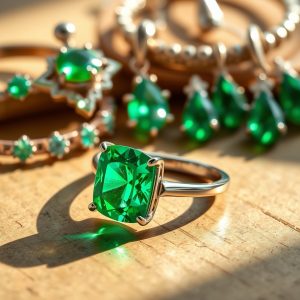
The Hidden Secrets of Green Gemstone Jewelry: From Identification to Impeccable Care
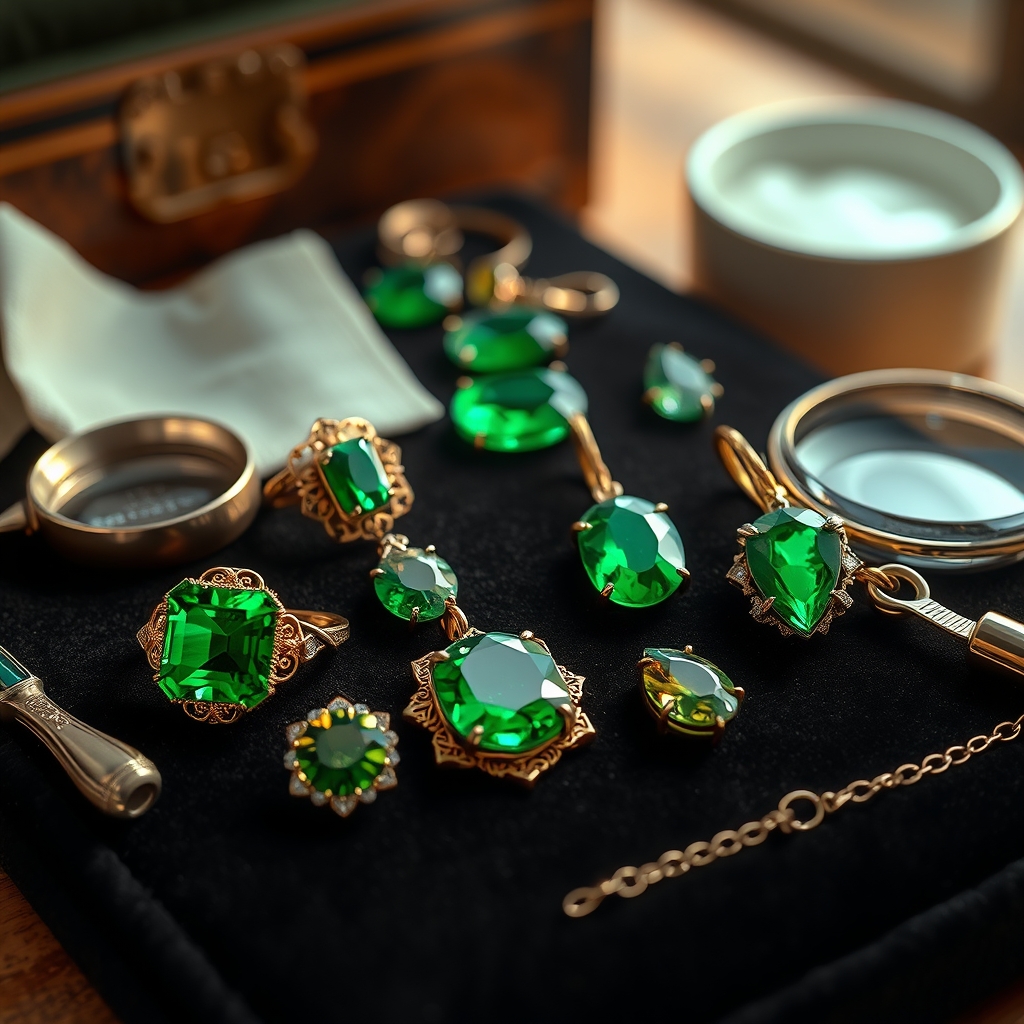
Green gemstones have captivated humanity for centuries, their lush hues evoking the tranquility of nature and the allure of the earth’s hidden treasures. Whether it’s the deep, velvety green of an emerald, the vibrant sparkle of a tsavorite garnet, or the subtle elegance of a peridot, these gems demand not only admiration but also meticulous care. Owning green gemstone jewelry is a privilege, but it comes with the responsibility of understanding how to identify, maintain, and repair these delicate pieces to ensure they retain their beauty for generations.
The Art of Authentic Gem Identification
Before diving into care and repair, it’s essential to confirm the authenticity of your green gemstones. The market is flooded with synthetic and imitation gems that can deceive even the most discerning eye. Start by examining the stone under natural light—authentic gems like emeralds often exhibit natural inclusions, known as “jardin,” which are tiny imperfections that add character and verify their natural origin. Tsavorite garnets, on the other hand, should display a vivid, uniform green without any cloudiness, a hallmark of their authenticity.
For a more scientific approach, consider using a jeweler’s loupe or a gemological refractometer. These tools measure the refractive index of the stone, a unique property that can help distinguish real gems from fakes. If you’re unsure, consulting a certified gemologist is always a wise investment. Detecting synthetic gems early can save you from costly mistakes and ensure your jewelry collection remains as genuine as it is stunning.
Cleaning Green Gemstones: A Delicate Balance
Green gemstones, particularly those like emeralds and peridots, are often more porous and sensitive than their counterparts. Harsh chemicals, ultrasonic cleaners, and even some commercial jewelry cleaners can strip away their natural oils or cause irreversible damage. Instead, opt for a gentle approach: mix a few drops of mild dish soap with warm water and use a soft-bristled toothbrush to clean the stone and its setting. Avoid soaking the gem for too long, as prolonged exposure to water can weaken the adhesive in older or antique pieces.
For cloudy crystals or gems that have lost their luster, a solution of equal parts water and ammonia (used sparingly) can work wonders. However, always rinse the stone thoroughly and dry it with a soft, lint-free cloth. Green tourmaline, in particular, benefits from this method, as it can accumulate oils and debris over time, dulling its vibrant color. Remember, the key to cleaning green gemstones is patience and gentleness—never scrub aggressively or use abrasive materials.
Polishing Emerald Rings and Other Green Gems
Over time, even the most well-cared-for green gemstone jewelry can develop scratches or lose its shine. Polishing emerald rings, for instance, requires a delicate touch. Start by using a polishing cloth specifically designed for gemstones, which can buff away minor scratches without damaging the stone. For deeper scratches, a jeweler’s rouge—a fine abrasive compound—can be applied with a soft cloth or a felt wheel attached to a rotary tool. However, this should be done sparingly and with extreme caution, as over-polishing can thin the stone and reduce its brilliance.
If your jewelry features a wire wrap or delicate prongs, take extra care to avoid bending or weakening these components. Strengthening wire wraps can be done by gently tightening them with needle-nose pliers, but be sure not to apply too much pressure. For prong settings, inspect them regularly for signs of wear and have a professional jeweler reinforce them if necessary. Choosing durable prongs, such as those made from platinum or high-quality gold, can also extend the life of your jewelry and prevent gemstones from becoming loose.
Repairing and Restoring: Bringing Back the Brilliance
Jewelry, like any cherished possession, can suffer from wear and tear. Loose settings, broken clasps, and tangled chains are common issues that can often be fixed with a little know-how. For loose stones, a jeweler can re-tighten the setting or replace worn prongs to secure the gem. If you’re dealing with a broken clasp, consider replacing it with a more durable option, such as a lobster clasp or a magnetic closure, which are less likely to fail over time.
Untangling delicate chains can be a frustrating task, but it’s not impossible. Lay the chain flat on a soft surface and use two straight pins to gently tease apart the knots. If the chain is particularly fine, a drop of baby oil or a lubricant like WD-40 can help loosen the tangles without causing damage. For earring posts that have become bent or broken, a jeweler can often solder a new post or reinforce the existing one, ensuring your earrings remain wearable and secure.
Storing Green Gemstones Safely
Proper storage is just as important as cleaning and repairing when it comes to maintaining the beauty of your green gemstone jewelry. Peridot, for example, is sensitive to heat and light, which can cause it to fade over time. Store peridot pieces in a cool, dark place, preferably in a lined jewelry box or a soft pouch to prevent scratches. Emeralds, too, benefit from being stored separately from other jewelry, as their softer composition makes them more susceptible to damage from harder stones like diamonds or sapphires.
For antique jewelry, consider using acid-free tissue paper or anti-tarnish strips to protect the metal and prevent discoloration. If you’re storing multiple pieces together, wrap each item individually to avoid tangling or scratching. Removing stuck rings can be a challenge, but a bit of soap and warm water or a lubricant like hand cream can help slide the ring off without causing injury. Never force a ring off, as this can damage both the ring and your finger.
Preventing Discoloration and Maintaining Shine
Green gemstones can lose their vibrancy over time due to exposure to chemicals, oils, and environmental factors. To prevent discoloration, always remove your jewelry before swimming, showering, or applying lotions and perfumes. Chlorine and saltwater can erode the metal and dull the gemstone’s color, while cosmetics can leave residues that build up and cloud the stone’s surface.
Regular maintenance is the best way to keep your jewelry shining. A quick polish with a soft cloth after each wear can remove oils and debris before they have a chance to accumulate. For a deeper clean, consider taking your pieces to a professional jeweler every six months for a thorough inspection and cleaning. This not only keeps your jewelry looking its best but also allows the jeweler to catch any potential issues, such as loose stones or weakened settings, before they become major problems.
Owning green gemstone jewelry is a journey of discovery, one that requires a blend of knowledge, patience, and care. Each piece tells a story, not just of its creation but of the hands it has passed through and the moments it has witnessed. By learning to identify, clean, repair, and store these treasures properly, you’re not just preserving their physical beauty—you’re honoring their legacy. The effort you put into maintaining your jewelry today ensures that its brilliance will continue to shine for years to come, a testament to the enduring allure of nature’s most captivating gems.