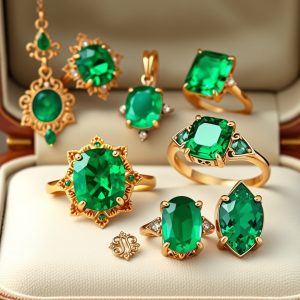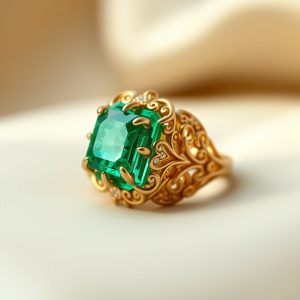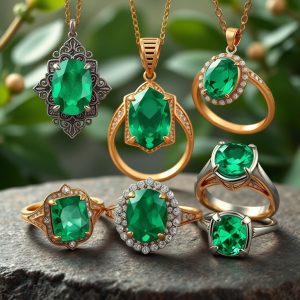
The Artisan’s Touch: Unlocking the Secrets of Jade Authenticity and Jewelry Restoration
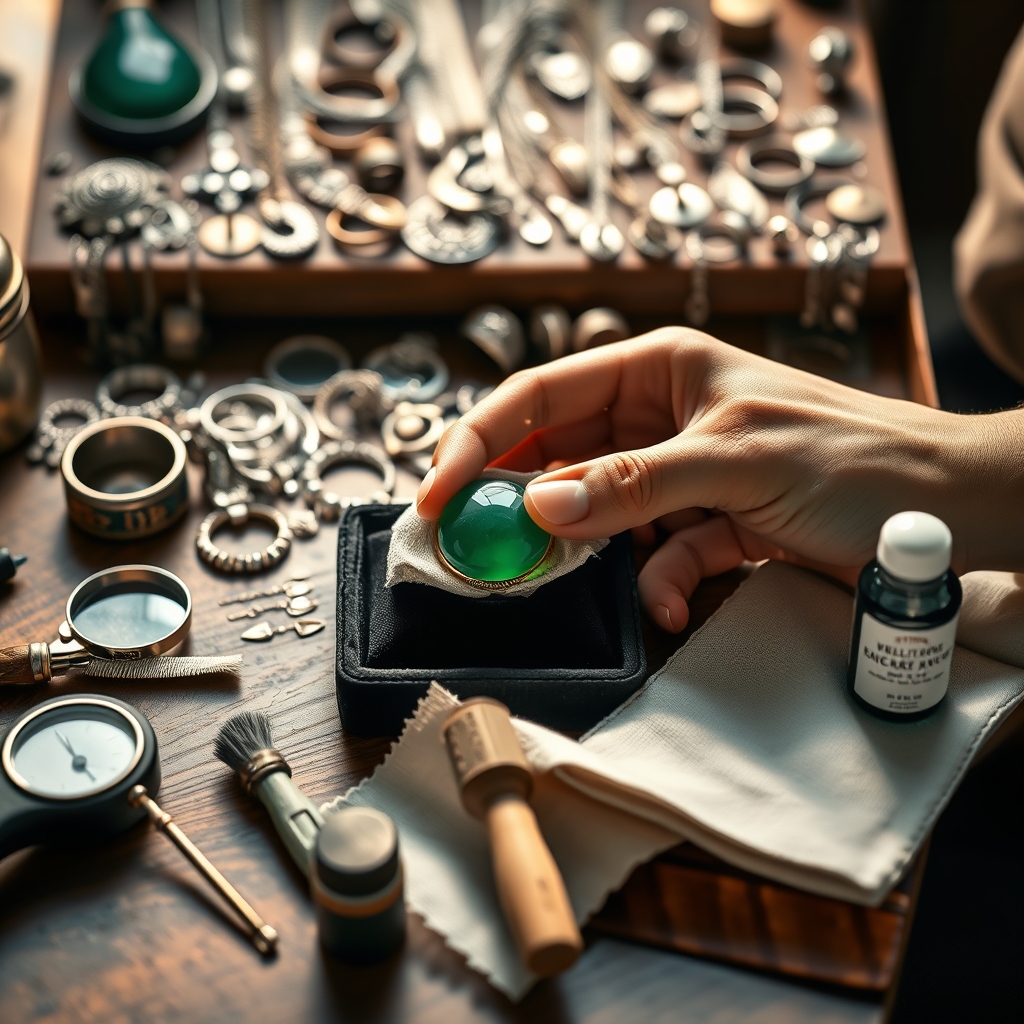
Jewelry and jade are more than mere adornments; they are storytellers, carrying the weight of history, craftsmanship, and personal significance. Yet, their beauty is not eternal without the right care. Whether it’s a family heirloom passed down through generations or a newly acquired piece of imperial jade, understanding how to preserve, restore, and authenticate these treasures ensures they remain as radiant as the day they were created. The journey begins with knowledge—knowing what you have, how to care for it, and when to seek professional help.
The Delicate Dance of Authentic Jade Identification
Jade, particularly nephrite and jadeite, has been revered for centuries, but its allure has also made it a target for imitations. Distinguishing real jade from clever fakes requires a keen eye and a few trusted techniques. Start with the touch test: genuine jade feels cool to the touch and has a smooth, almost waxy surface. Next, examine its transparency—imperial jade, the most prized variety, often exhibits a subtle glow when held against light, while lower-quality jade may appear opaque or cloudy.
For a more scientific approach, the scratch test can be revealing. Jade ranks between 6 and 7 on the Mohs hardness scale, meaning it should not scratch easily. Use a steel knife or a piece of quartz to gently test an inconspicuous area. If the surface scratches, it’s likely not authentic jade. Additionally, a jeweler’s loupe can help identify telltale signs of dyed or treated jade, such as uneven color distribution or surface cracks filled with resin. When in doubt, consulting a gemologist with specialized equipment, like a refractometer or spectroscope, can provide definitive answers.
Green Jade Care: Preserving Its Timeless Elegance
Once you’ve confirmed the authenticity of your jade, proper care is essential to maintain its luster. Jade is durable but not indestructible, and exposure to harsh chemicals, extreme temperatures, or physical impact can dull its shine or cause cracks. Start by storing jade jewelry separately in a soft pouch or lined box to prevent scratches from harder gemstones. Avoid exposing it to direct sunlight for prolonged periods, as UV rays can fade its color over time.
Cleaning jade is a gentle process. Use a soft, damp cloth to wipe away dust and oils, followed by a dry cloth to restore its natural sheen. For deeper cleaning, a mild soap solution can be used, but avoid soaking the jade, as excessive moisture can weaken adhesives in settings or cause discoloration. Ultrasonic cleaners are a no-go—they can damage the stone’s structure. Instead, opt for a soft-bristled brush to gently clean intricate carvings or settings. Regular maintenance, such as checking for loose prongs or worn settings, will ensure your jade remains secure and stunning.
Polishing Imperial Jade: Restoring Its Regal Glow
Over time, even the most carefully maintained jade can lose its polish. Restoring its brilliance requires patience and the right tools. Begin by inspecting the jade for any surface scratches or dull areas. For minor imperfections, a polishing cloth designed for gemstones can work wonders. For deeper scratches, a jeweler’s rouge or a fine-grit polishing compound can be applied with a soft cloth or buffing wheel. Always polish in gentle, circular motions to avoid creating uneven surfaces.
If your jade is part of a piece of jewelry, take extra care with the metal settings. Gold and silver can be polished separately using a jewelry polishing cloth, but avoid abrasive materials that could scratch the jade. For heavily tarnished silver, a baking soda and water paste can be used sparingly, but rinse thoroughly and dry immediately to prevent moisture damage. When in doubt, entrust the polishing process to a professional jeweler who specializes in jade to avoid unintended damage.
Reviving Tarnished Silver and Loose Gemstones
Silver jewelry, while beautiful, is prone to tarnishing due to its reaction with sulfur in the air. The good news is that tarnish is reversible. For light tarnish, a simple polishing cloth can restore shine. For heavier tarnish, create a paste using baking soda and water, apply it with a soft cloth, and gently rub the affected areas. Rinse thoroughly and dry with a clean cloth. Avoid using toothpaste or commercial silver dips, as they can be too abrasive and damage the metal over time.
Loose gemstones are another common issue, particularly in older or well-worn jewelry. If you notice a gemstone wobbling in its setting, it’s time to act. For minor looseness, a jeweler can often tighten the prongs or bezel with specialized tools. However, if the stone is severely loose or the setting is damaged, a more extensive repair may be necessary. Never attempt to glue a gemstone back into place—this can cause further damage and reduce the stone’s value. Instead, seek out a professional jeweler who can assess the best course of action, whether it’s re-tipping prongs, resetting the stone, or replacing the setting entirely.
Untangling Fine Chains and Repairing Broken Clasps
Few things are as frustrating as a tangled chain or a broken clasp. For fine chains, prevention is key. Store them individually in small plastic bags or on a jewelry organizer to minimize tangling. If a chain does become knotted, resist the urge to pull—this can weaken or break the links. Instead, lay the chain flat on a surface and use two straight pins to gently work the knots apart, starting from the outermost loops and moving inward.
Broken clasps are another common issue, but they don’t always mean the end of your favorite necklace or bracelet. Many clasps can be replaced or repaired by a jeweler. Lobster clasps, spring rings, and magnetic clasps are all relatively easy to replace, while more intricate designs may require custom work. If the chain itself is damaged, a jeweler can often splice in a new section or reattach the existing links. For heirloom pieces, consider upgrading to a more durable clasp, such as a toggle or screw-back design, to prevent future breakage.
Detecting Fake Jade and Testing Real Jade
The market is flooded with jade imitations, from dyed quartz to plastic fakes. Beyond the initial touch and scratch tests, there are a few additional methods to verify authenticity. One of the most reliable is the sound test: gently tap the jade with a metal object. Genuine jade produces a clear, resonant ping, while fakes tend to emit a duller sound. Another method is the water test—real jade will feel heavier than it looks due to its density, while imitations often feel lighter.
For those willing to invest in technology, a handheld UV light can reveal treated jade. Natural jade typically fluoresces weakly under UV light, while dyed or treated jade may glow brightly. However, this method isn’t foolproof, as some high-quality fakes can mimic natural fluorescence. When purchasing jade, always buy from reputable dealers who provide certificates of authenticity. If you’re unsure, a gemological laboratory can conduct advanced tests, such as spectroscopy or X-ray diffraction, to confirm the stone’s identity.
Caring for jade and jewelry is an act of devotion—a way to honor the craftsmanship and history embedded in each piece. Whether it’s the cool touch of genuine jade, the warm glow of polished silver, or the sparkle of a securely set gemstone, these treasures deserve to be cherished. With the right knowledge and a gentle touch, you can ensure they remain as vibrant and meaningful as the stories they carry, passing their beauty and significance on to future generations.