The Guardian’s Handbook: Safeguarding Your Jade and Jewelry with Time-Tested Wisdom
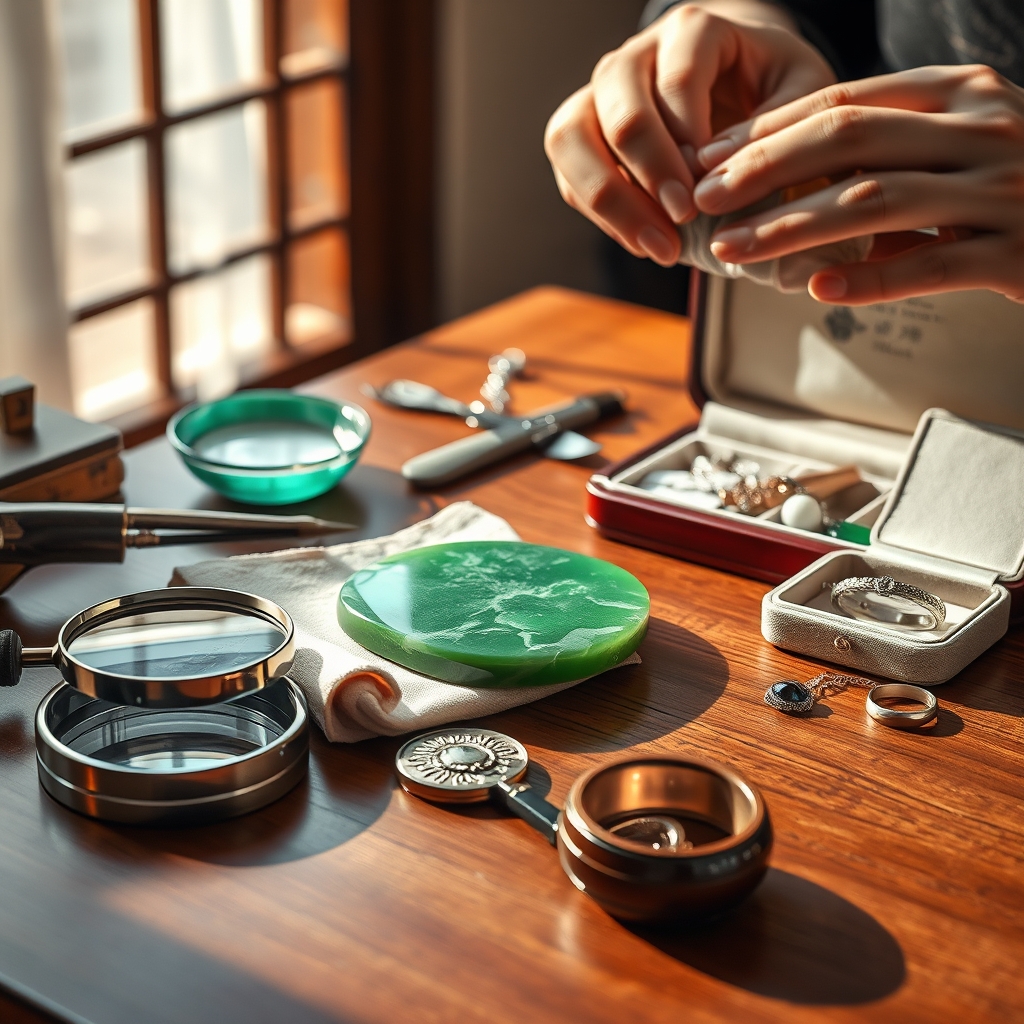
Jewelry and jade are more than mere adornments; they are storytellers, carrying the weight of memories, traditions, and craftsmanship. Yet, their beauty is fragile, susceptible to the ravages of time, neglect, or even well-intentioned mishandling. Whether it’s the deep, luminous green of imperial jade or the intricate settings of a family heirloom, preserving these treasures requires knowledge, patience, and a touch of reverence. This guide delves into the art of safeguarding your most cherished pieces, ensuring they remain as radiant as the day they came into your life.
The Enigma of Authentic Jade Identification
Jade, with its mesmerizing hues and cultural significance, has been coveted for centuries. But not all that glitters—or in this case, glows—is genuine. The market is rife with imitations, from dyed quartz to glass cleverly disguised as jadeite or nephrite. So, how can you distinguish the real from the counterfeit?
First, examine the stone’s texture. Authentic jade has a smooth, almost waxy feel, with a density that feels substantial in your hand. Hold it up to the light—genuine jade will exhibit a soft, diffused glow rather than a harsh, glassy reflection. Another telltale sign is its temperature: real jade remains cool to the touch, even after being held for several minutes. For a more scientific approach, consider a scratch test (though proceed with caution). Jade ranks between 6 and 7 on the Mohs hardness scale, meaning it won’t scratch easily, but it can be scratched by harder materials like quartz.
If you’re still uncertain, consult a gemologist. They can perform advanced tests, such as spectroscopy or specific gravity measurements, to confirm authenticity. Remember, the value of jade lies not just in its beauty but in its rarity and the skill of its craftsmanship.
Green Jade Care: Nurturing Nature’s Masterpiece
Once you’ve confirmed the authenticity of your jade, the next step is ensuring its longevity. Jade is durable, but it’s not indestructible. Harsh chemicals, extreme temperatures, and even prolonged exposure to sunlight can dull its luster or alter its color. To keep your jade vibrant, clean it gently with a soft, damp cloth and mild soap. Avoid ultrasonic cleaners or steam, as these can cause micro-fractures or weaken the stone over time.
For jade jewelry, such as bracelets or pendants, remove them before engaging in activities that could expose them to impact or abrasion. Store your jade pieces separately from other jewelry to prevent scratches, ideally in a soft pouch or lined box. If your jade has intricate carvings, use a soft-bristled brush to remove dust from crevices, taking care not to apply too much pressure.
Preventing jade discoloration is another critical aspect of care. Over time, oils from your skin, lotions, or perfumes can build up on the surface, creating a film that dulls the stone’s natural brilliance. Wipe your jade with a dry, lint-free cloth after each wear to remove these residues. For deeper cleaning, soak the piece in lukewarm water with a drop of gentle dish soap, then rinse and pat dry immediately.
Reviving Tarnished Silver: A Gentle Approach
Silver jewelry, with its timeless elegance, is prone to tarnishing—a natural reaction to sulfur in the air. While tarnish is inevitable, it doesn’t have to be permanent. For light tarnish, a simple polishing cloth can restore shine without removing the patina that gives antique pieces their character. For more stubborn tarnish, create a paste using baking soda and water, apply it with a soft cloth, and rinse thoroughly. Avoid commercial silver dips, as they can be too harsh, especially for pieces with gemstones or delicate engravings.
If your silver jewelry has intricate designs or hard-to-reach areas, a soft toothbrush can help lift tarnish without scratching. For heavily tarnished pieces, consider a professional cleaning, particularly if the jewelry contains porous stones like turquoise or opal, which can absorb cleaning solutions.
Fixing Loose Gemstones: A Stitch in Time
A loose gemstone is a ticking time bomb—ignore it, and you risk losing a precious stone or damaging the setting. The first step is to assess the issue. If the stone is simply loose but the prongs or bezel are intact, a jeweler can often tighten the setting with minimal intervention. However, if the prongs are bent or worn, they may need to be replaced or reinforced.
For wire-wrapped pieces, check the integrity of the wire. Over time, wire can weaken or break, especially if the jewelry is worn frequently. A jeweler can rewrap the stone, using techniques that not only secure it but also enhance the piece’s aesthetic appeal. If you’re skilled in jewelry making, you can attempt minor repairs yourself, but for valuable or sentimental pieces, professional expertise is always the safer choice.
Storing Jade Safely: Protecting Its Essence
Proper storage is the unsung hero of jewelry and jade preservation. Exposure to air, moisture, or other metals can accelerate tarnishing, scratching, or even chemical reactions that alter the appearance of your pieces. For jade, store each item individually in a soft cloth pouch or a lined jewelry box. Avoid plastic bags, as they can trap moisture and lead to mildew or discoloration.
For silver jewelry, anti-tarnish strips or cloths can be placed in your storage area to absorb sulfur and slow the tarnishing process. If you live in a humid climate, consider using silica gel packets to control moisture levels. For long-term storage, wrap each piece in acid-free tissue paper before placing it in a box, ensuring that chains are untangled and clasps are secured to prevent damage.
Untangling Fine Chains: Patience and Precision
Few things are as frustrating as a tangled chain, especially when it’s made of delicate gold or silver. The key to untangling it lies in patience and the right tools. Start by laying the chain on a flat surface and identifying the tightest knots. Use two straight pins or sewing needles to gently tease the strands apart, working from the outside in. Avoid pulling or yanking, as this can weaken the metal or cause kinks that are nearly impossible to remove.
If the chain is particularly stubborn, a drop of baby oil or mineral oil can lubricate the strands, making them easier to separate. Once untangled, clean the chain with a soft cloth to remove any residue, and store it properly to prevent future tangles. For chains with intricate designs, such as Figaro or rope chains, consider hanging them on a jewelry stand to keep them tangle-free.
Jewelry and jade are not just accessories; they are legacies, passed down through generations or collected as symbols of life’s milestones. Their care is not merely about maintenance but about honoring the craftsmanship, history, and emotions they represent. With the right knowledge and a gentle touch, these treasures can retain their beauty and significance for decades to come, becoming even more precious with each passing year.