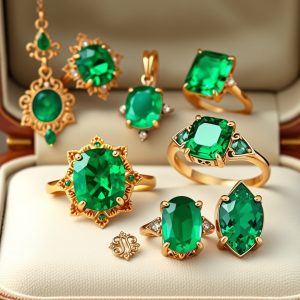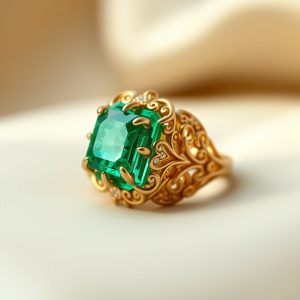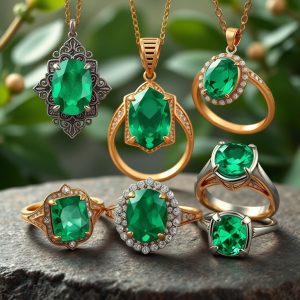
Preserving the Luster: Essential Tips for Green Gold Jewelry Care and Maintenance
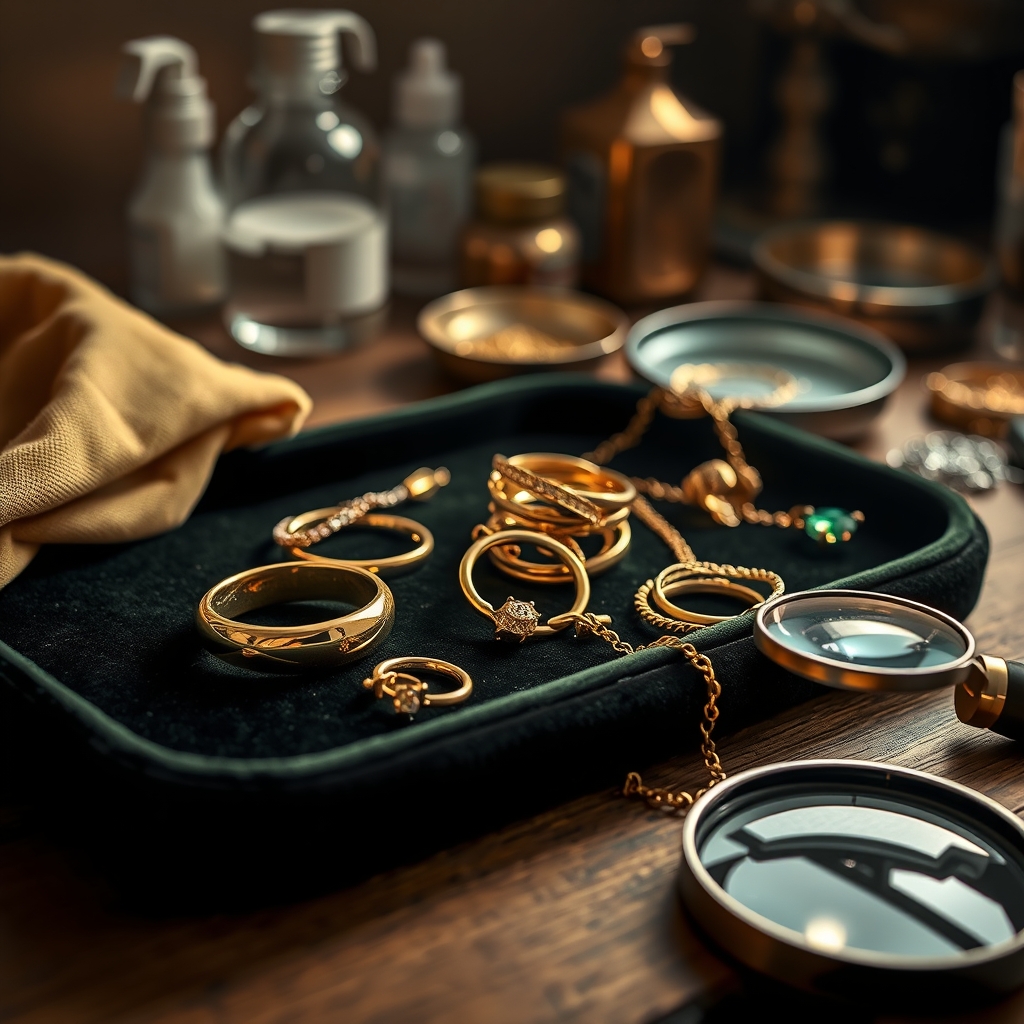
Gold has been cherished for centuries, not just for its beauty but for its enduring value. Among its many forms, green gold—an alloy often mixed with silver, cadmium, or zinc—stands out for its unique hue and elegance. However, like all precious metals, it requires proper care to maintain its shine and structural integrity. Whether you’re dealing with tarnished pieces, loose settings, or the challenge of authenticating your gold, understanding the nuances of jewelry maintenance can save you time, money, and heartache.
The Art of Authentic Gold Testing
Before diving into cleaning or repairs, it’s crucial to confirm the authenticity of your gold jewelry. Counterfeit pieces can look convincing but may not withstand the same care techniques as genuine gold. One of the simplest methods to test authenticity is the magnet test: real gold is not magnetic, so if your piece clings to a magnet, it’s likely a fake. For a more precise assessment, consider the acid test, where a small scratch on the jewelry is exposed to nitric acid. Genuine gold will remain unaffected, while fake gold will react by changing color or dissolving. If you’re unsure, consulting a professional jeweler is always the safest route.
Cleaning Tarnished Gold: Gentle Yet Effective Methods
Over time, even the most well-cared-for gold jewelry can develop a tarnished appearance. For green gold, which is more prone to oxidation due to its alloy composition, regular cleaning is essential. Start by mixing a few drops of mild dish soap with warm water. Soak your jewelry for about 15-20 minutes, then gently scrub it with a soft-bristled toothbrush to remove dirt and grime. Avoid harsh chemicals or abrasive materials, as these can scratch the surface or strip away the gold’s natural luster. For stubborn tarnish, a baking soda paste can work wonders—apply it gently, rinse thoroughly, and pat dry with a soft cloth.
Polishing Electrum Rings and Other Gold Alloys
Electrum, a natural alloy of gold and silver, is another stunning variation that requires special attention. Unlike pure gold, electrum can develop a dull patina over time. To restore its shine, use a jewelry polishing cloth specifically designed for gold. These cloths are impregnated with polishing compounds that remove tarnish without damaging the metal. For deeper scratches, a jeweler’s rouge or a professional polishing service may be necessary. Always remember to polish in the direction of the metal’s grain to avoid creating additional scratches.
Fixing Loose Settings and Securing Loose Stones
A loose stone or setting can quickly turn a beloved piece of jewelry into a potential hazard. If you notice a wobble in your gemstone or a gap in the prongs, it’s time to take action. For minor issues, a dab of clear nail polish can temporarily secure a stone, but this is not a long-term solution. Visiting a jeweler to have the prongs tightened or reset is the best way to ensure your stone stays in place. Regular inspections of your jewelry can help catch these issues early, preventing the heartbreak of losing a precious gem.
Choosing Durable Prongs and Strengthening Wire Wraps
The durability of your jewelry often hinges on the quality of its settings. Prongs, in particular, are critical for holding stones securely. Opt for prongs made from high-quality metals like platinum or palladium, which are less likely to wear down over time. For wire-wrapped pieces, ensure the wire is thick enough to hold its shape and securely grip the stone. If you’re crafting your own jewelry, invest in tools that allow you to create tight, even wraps that won’t loosen with wear.
Untangling Gold Chains and Repairing Broken Clasps
Few things are as frustrating as a tangled gold chain or a broken clasp. To untangle a chain, start by laying it flat on a smooth surface and applying a drop of baby oil or lubricant to the knots. Use two straight pins to gently work the tangles apart, being careful not to pull too hard and risk breaking the chain. For broken clasps, a jeweler can often replace them with a new one that matches the original design. If you’re handy with tools, you can attempt a DIY repair using a jump ring and pliers, but be mindful that improper repairs can weaken the chain further.
Removing Stuck Rings and Fixing Ring Scratches
A ring that won’t budge can be a source of panic, but there are safe ways to remove it without causing injury. Start by applying a generous amount of soap or lotion to the finger, then gently twist and pull the ring while keeping the finger straight. If that doesn’t work, try wrapping a piece of string or dental floss around the finger, starting at the base of the ring and working your way up. For scratches on your ring, a jeweler can buff them out using specialized tools. At home, you can use a polishing cloth to minimize the appearance of minor scratches, but deep gouges may require professional attention.
Detecting Fake Gold and Preventing Discoloration
Fake gold is a growing concern, especially with the rise of online marketplaces. Beyond the magnet and acid tests, you can also check for hallmarks or stamps that indicate the gold’s purity, such as “14K” or “18K.” If your gold jewelry is discoloring your skin, it’s likely due to the alloy metals reacting with your body’s chemistry. To prevent this, opt for higher-karat gold or pieces with a protective rhodium plating. Regular cleaning and proper storage can also help minimize discoloration, keeping your jewelry looking its best for years to come.
Storing Green Gold and Restoring Antique Pieces
Proper storage is key to preserving the beauty of your green gold jewelry. Store each piece separately in a soft pouch or lined jewelry box to prevent scratches and tangling. Avoid exposing your jewelry to humidity, as this can accelerate tarnishing. For antique gold pieces, restoration should be handled with care. A professional jeweler can clean, polish, and repair vintage jewelry without compromising its historical value. If you’re restoring a piece yourself, use gentle methods and avoid harsh chemicals that could damage delicate details.
Caring for gold jewelry is more than just a routine—it’s a commitment to preserving the stories and memories each piece holds. Whether it’s a family heirloom or a new addition to your collection, the effort you put into maintaining its brilliance will ensure it remains a treasured part of your life for generations. The key lies in regular attention, gentle handling, and knowing when to seek professional help. With these practices, your green gold and other precious pieces will continue to shine as brightly as the day you first wore them.