The Art of Preserving Beauty: Essential Jewelry Care and Repair Techniques for Green Gemstones and Beyond
Jewelry is more than just an accessory; it’s a reflection of personal style, a cherished heirloom, or a symbol of a meaningful moment. Yet, even the most exquisite pieces can lose their luster over time if not properly cared for. Whether you own a vibrant green tourmaline, a delicate peridot, or a timeless emerald, understanding how to maintain and repair your jewelry ensures it remains as stunning as the day you acquired it. From authentic gem identification to fixing loose settings, here’s your guide to keeping your treasures in pristine condition.
The Foundation: Authentic Gem Identification
Before diving into care and repair, it’s crucial to confirm the authenticity of your gemstones. Synthetic gems, while often beautiful, require different maintenance than their natural counterparts. For instance, identifying real tsavorite—a rare and valuable green garnet—can be tricky for the untrained eye. Look for inclusions, which are natural imperfections that synthetic stones typically lack. Additionally, consult a certified gemologist who can use tools like a refractometer or spectroscope to verify authenticity. Knowing what you’re working with ensures you apply the right care techniques and avoid damaging your jewelry.
Cleaning Green Gemstones: A Delicate Balance
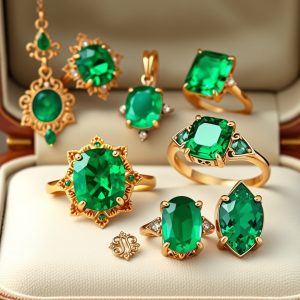
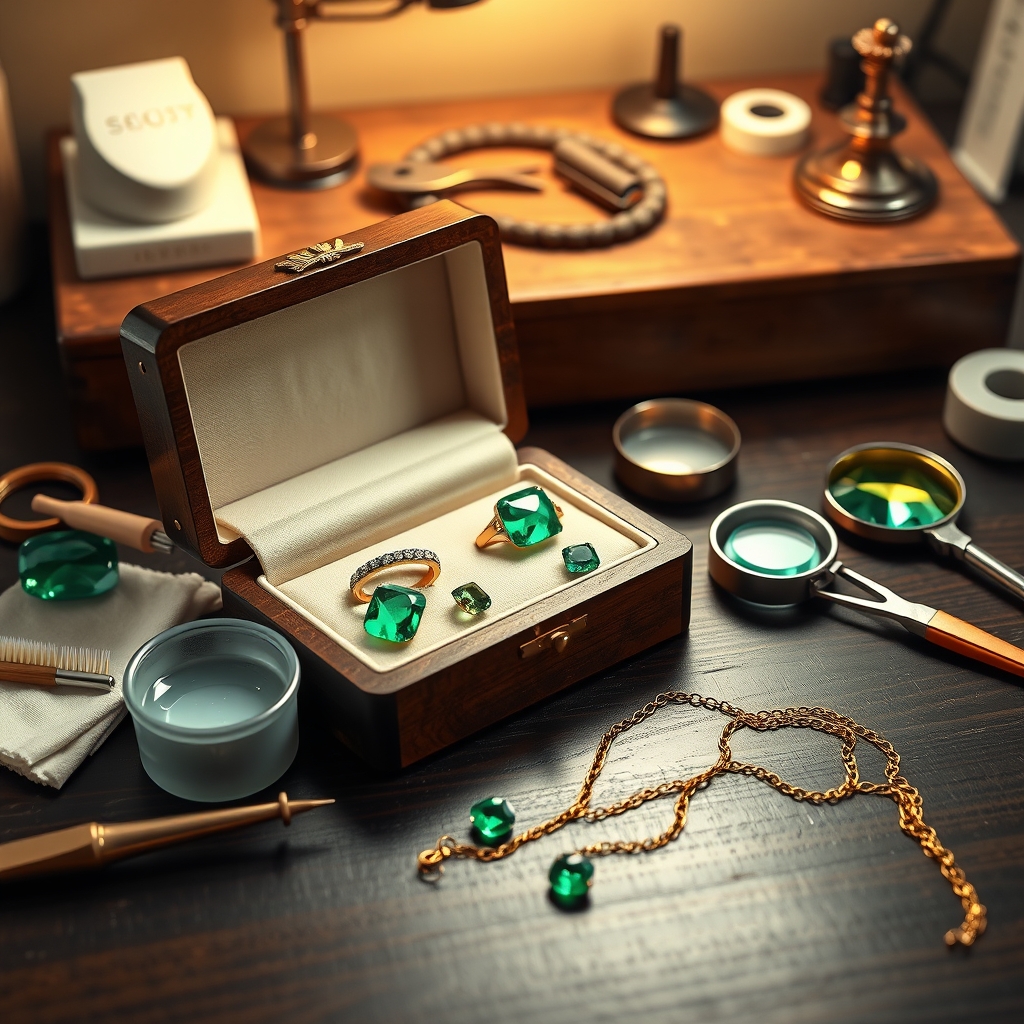
Green gemstones like emeralds, peridots, and green tourmalines are beloved for their vivid hues, but they can be surprisingly delicate. Harsh chemicals, ultrasonic cleaners, or even abrasive cloths can dull their brilliance or cause irreversible damage. For cleaning green gemstones, start with a soft-bristled toothbrush and lukewarm water mixed with a mild dish soap. Gently scrub the stone and setting, paying extra attention to crevices where dirt accumulates. Rinse thoroughly and pat dry with a lint-free cloth. For cloudy crystals or heavily tarnished pieces, a solution of equal parts water and ammonia (for non-porous stones like tourmaline) can restore clarity, but always test a small area first.
Emerald-Specific Care
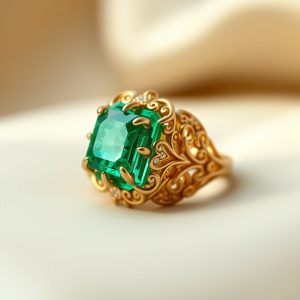
Emeralds are particularly vulnerable due to their natural inclusions, which can make them prone to cracking. Avoid soaking emeralds in water for extended periods, and never use steam or ultrasonic cleaners. Instead, opt for a damp cloth and a gentle touch. If your emerald ring has lost its polish, consult a professional jeweler who can safely restore its shine without compromising the stone’s integrity.
Fixing Common Jewelry Woes
Even with the best care, jewelry can encounter issues like loose settings, broken clasps, or tangled chains. Addressing these problems promptly prevents further damage and extends the life of your pieces.
Securing Loose Stones and Fixing Prongs
A loose stone is a recipe for disaster, especially in rings or pendants that see daily wear. If you notice a gem wobbling in its setting, stop wearing the piece immediately and take it to a jeweler. They can tighten the prongs or, if necessary, re-tip them to ensure the stone is securely held. For those with wire-wrapped jewelry, strengthening the wraps with a bit of jewelry adhesive or having them professionally rewrapped can prevent stones from slipping out.
Untangling Delicate Chains and Repairing Clasps
Few things are as frustrating as a tangled necklace chain. To untangle it, lay the chain on a flat surface and use two straight pins to gently tease apart the knots. Avoid pulling, as this can weaken the metal. For broken clasps, a jeweler can replace them with a durable option like a lobster clasp or a spring ring, ensuring your chain stays secure. If you’re dealing with a stuck ring, try soaking your finger in cold water or applying a lubricant like soap or olive oil to ease it off.
Restoring and Maintaining Shine
Over time, even the most well-loved jewelry can lose its sparkle. Polishing emerald rings, restoring antique jewelry, or removing scratches from metal requires a careful approach to avoid causing further damage.
Polishing and Removing Scratches
For metal scratches, a jeweler’s polishing cloth can work wonders on gold, silver, or platinum. For deeper scratches, a professional may need to use a polishing wheel or rhodium plating to restore the piece’s original shine. When polishing emerald rings or other gemstone jewelry, avoid abrasive compounds that can scratch the stone. Instead, use a soft cloth and a gentle jewelry cleaner designed for delicate gems.
Reviving Antique Jewelry
Antique jewelry often carries historical significance, but years of wear can leave it looking dull. To restore its beauty, start by cleaning it with a mild solution, as described earlier. For pieces with intricate designs, a soft toothbrush can help remove dirt from hard-to-reach areas. If the metal has tarnished, a jeweler can perform a professional cleaning or replating to bring back its luster. Be cautious with antique pieces, as some may have fragile settings or stones that require specialized care.
Preventing Future Damage
Prevention is the key to keeping your jewelry looking its best. Storing peridot safely, for example, means keeping it away from direct sunlight, which can cause fading. Use a jewelry box with individual compartments or soft pouches to prevent scratches and tangling. For gemstones prone to discoloration, like some green tourmalines, avoid exposing them to harsh chemicals or prolonged moisture. Regularly inspect your jewelry for signs of wear, such as loose stones or weakened clasps, and address issues before they escalate.
Choosing Durable Settings and Materials
When purchasing or repairing jewelry, opt for durable settings like bezel or channel settings, which offer better protection for stones than prong settings. For earrings, ensure the posts are securely attached and made from hypoallergenic materials like surgical steel or gold. If you’re commissioning a custom piece, discuss the best materials and settings with your jeweler to ensure longevity.
Caring for your jewelry is an investment in its beauty and longevity. Whether you’re polishing an emerald ring, untangling a delicate chain, or identifying a real tsavorite, the effort you put into maintenance will pay off in the form of timeless pieces that continue to dazzle for generations. With the right techniques and a little patience, your jewelry can remain a source of joy and pride, reflecting not just its intrinsic value, but the care and attention you’ve given it over the years.