The Art of Preserving Beauty: Essential Jewelry Care and Repair Tips for Lasting Elegance
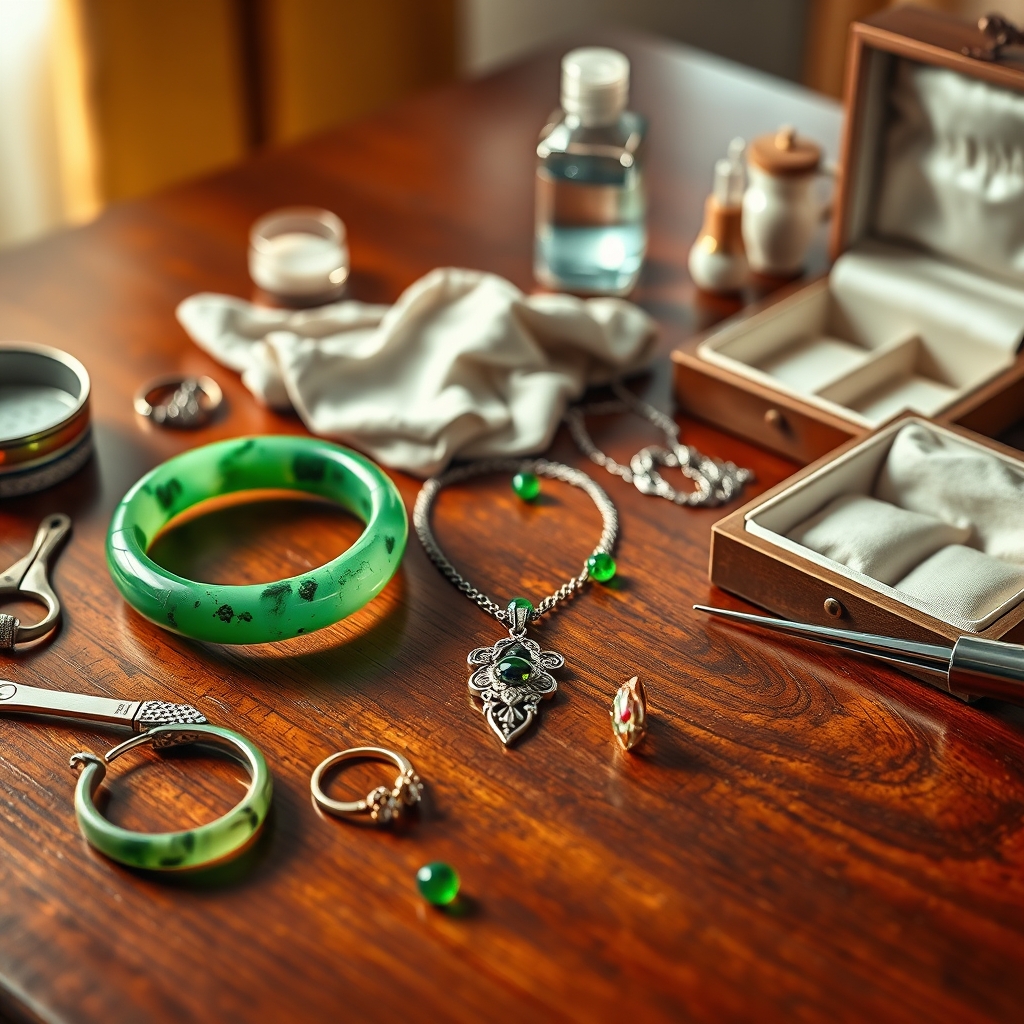
Jewelry holds more than just monetary value—it carries memories, emotions, and a touch of personal history. Whether it’s a family heirloom, a cherished gift, or a beloved piece you’ve collected over time, maintaining its beauty requires knowledge, patience, and a little TLC. From identifying authentic jade to reviving tarnished silver, understanding the nuances of jewelry care can save you from costly repairs and heartbreak. Here’s how to keep your treasures gleaming for generations to come.
The Truth About Jade: Authenticity and Care
Jade is one of the most revered gemstones in the world, prized for its lush green hues and cultural significance. However, not all jade is created equal. Authentic jade—specifically nephrite and jadeite—can be worth a fortune, while imitations flood the market. So, how can you tell if your jade is the real deal?
Detecting Fake Jade
Start with the touch test: real jade feels cool to the touch and warms slowly in your hand. Fake jade, often made of glass or plastic, will warm almost instantly. Another telltale sign is the sound test—gently tap the jade with a metal object. Authentic jade produces a soft, resonant chime, while fakes emit a dull thud. For a more scientific approach, use a loupe to inspect the stone’s surface. Real jade has a fibrous, interwoven texture, whereas imitations may show bubbles, scratches, or a too-perfect, glassy finish.
Polishing Imperial Jade Without Damage
Imperial jade, known for its vibrant emerald-green color, requires gentle handling to maintain its luster. Avoid harsh chemicals or ultrasonic cleaners, as these can strip the stone’s natural oils and cause discoloration. Instead, clean it with a soft, damp cloth and mild soap, then pat dry immediately. For polishing, use a microfiber cloth or a specialized jade polishing powder, applying light pressure in circular motions. Never use abrasive materials like baking soda or toothpaste, as these can scratch the surface.
Preventing Jade Discoloration
Jade is porous, meaning it can absorb oils, lotions, and even sweat over time, leading to a dull or yellowed appearance. To prevent this, remove jade jewelry before swimming, showering, or applying skincare products. Store it separately in a soft pouch or lined box to avoid scratches from harder gemstones. If your jade does lose its shine, a professional jeweler can re-polish it to restore its original brilliance.
Reviving Tarnished Silver and Restoring Its Shine
Silver jewelry is timeless, but its tendency to tarnish can be frustrating. Tarnish occurs when silver reacts with sulfur in the air, forming a dark, dull layer. Fortunately, cleaning tarnished silver is simpler than you might think.
Gentle Cleaning Methods
For light tarnish, a mixture of warm water, mild dish soap, and a soft toothbrush can work wonders. Gently scrub the piece, rinse, and dry thoroughly with a microfiber cloth. For heavier tarnish, try a baking soda paste (three parts baking soda to one part water). Apply it with a soft cloth, rub gently, then rinse and dry. Avoid using paper towels, as they can scratch the silver.
Natural Alternatives for Stubborn Tarnish
If you prefer a chemical-free approach, aluminum foil and baking soda can create a simple at-home tarnish remover. Line a bowl with foil, add hot water and a tablespoon of baking soda, then place your silver jewelry inside. The chemical reaction will lift the tarnish in minutes. For intricate pieces, use a cotton swab dipped in the solution to reach crevices.
Fixing Common Jewelry Woes: From Loose Stones to Broken Clasps
Even the most well-cared-for jewelry can succumb to wear and tear. Knowing how to address common issues can extend the life of your pieces and save you a trip to the jeweler.
Securing Loose Gemstones and Prongs
A loose gemstone is a recipe for disaster, but it’s not always a cause for panic. If you notice a stone wobbling, stop wearing the piece immediately to avoid losing it. For a temporary fix, you can use a dab of clear nail polish on the prongs to hold the stone in place until you can visit a jeweler. However, this is not a long-term solution—professional re-tipping or re-setting is the safest way to ensure the stone stays secure.
Repairing Broken Clasps and Earring Posts
A broken clasp can render a necklace or bracelet unusable, but many clasps can be replaced or repaired. If the clasp is soldered, take it to a jeweler for a professional fix. For lobster clasps or spring rings, you can often find replacement parts at craft stores and attach them yourself with a pair of jewelry pliers. Earring posts, on the other hand, may require soldering. If you’re not comfortable with DIY repairs, leave it to the experts to avoid damaging the piece further.
Untangling Fine Chains Without the Frustration
Few things are as exasperating as a tangled chain. The key to untangling it is patience—and a few drops of baby oil or olive oil. Lay the chain on a flat surface and use two straight pins or needles to gently work through the knots. Avoid pulling, as this can cause the chain to kink or break. Once untangled, clean the chain with mild soap and water to remove any residual oil.
Storing Jewelry Safely to Prevent Damage
Proper storage is just as important as regular cleaning when it comes to preserving your jewelry. Exposure to air, moisture, and other metals can lead to tarnish, scratches, and even chemical reactions.
Choosing the Right Storage Solutions
Store each piece of jewelry separately to prevent scratches and tangling. Soft pouches, lined jewelry boxes, or even egg cartons (for small items) can work in a pinch. For silver jewelry, consider using anti-tarnish strips or silica gel packets to absorb moisture. Avoid storing jewelry in the bathroom, as humidity can accelerate tarnish and damage delicate materials.
Special Considerations for Jade and Other Gemstones
Jade and other porous gemstones should be stored away from direct sunlight, which can cause fading or discoloration. Wrap them in a soft cloth or place them in a fabric-lined compartment to protect their surfaces. For pieces with wire wraps or delicate settings, ensure they’re not jostled or pressed against harder materials that could bend or break them.
Removing Stuck Rings and Fixing Scratches
A stuck ring can be a nightmare, but don’t resort to drastic measures like cutting it off. Instead, try soaking your finger in cold water or applying a lubricant like soap, lotion, or even ice to reduce swelling. Gently twist the ring while pulling it upward. If the ring is scratched, a jeweler can polish it to restore its smooth finish. For minor scratches, a polishing cloth designed for the specific metal can work wonders.
Jewelry is more than an accessory—it’s a reflection of who we are and the stories we carry. By learning how to care for and repair your pieces, you’re not just preserving their physical beauty; you’re honoring the moments and memories they represent. Whether it’s a simple cleaning routine or a delicate repair, each act of care ensures that your jewelry remains as vibrant and meaningful as the day it came into your life. The key is to approach each piece with intention, knowing that with the right knowledge, even the most delicate treasures can stand the test of time.